

Ukraine Invasion ‘Doubles’ Russian Threat Perception In Japan; China Still The Biggest Risk – Survey Report

Against the backdrop of Russia’s invasion of Ukraine and increasing aggression by China, Japan’s concern over its national security has spiked significantly, according to a recent survey conducted by the Yomiuri newspaper.
The annual survey, which took place between February and March, revealed that an overwhelming 84% of respondents nationwide perceive Japan’s national security to be under threat. Within this cohort, 31% expressed a strong sentiment of insecurity, while 53% felt it to some extent.
The survey delved deeper into identifying specific threats, with notable shifts in perceptions compared to previous years. Notably, there has been a remarkable uptick in the perception of both China and Russia as threats to Japan’s security.
A whopping 91% of respondents perceived China as a threat, marking a five-percentage-point increase from the previous survey.
Tokyo has been deeply concerned about the potential conflict over Taiwan, a democratically ruled island that China’s Chinese Communist Party (CCP) views as part of its territory despite never having controlled it.
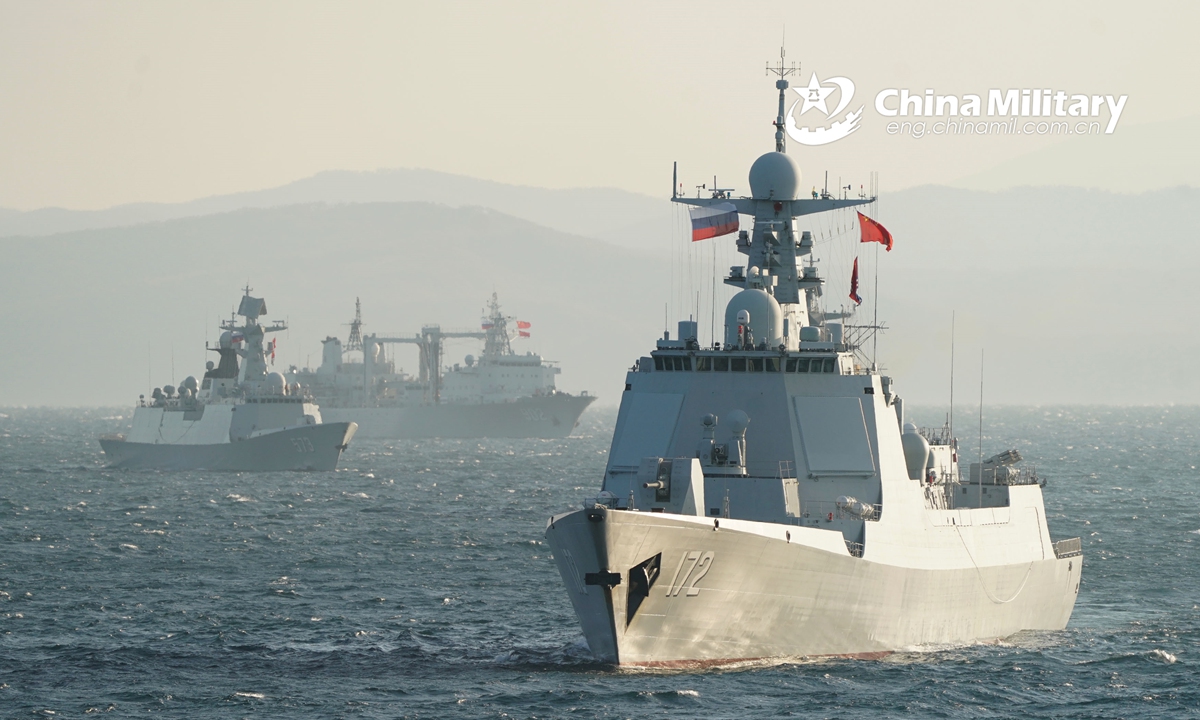
This concern stems from Japan hosting US bases, heightening the possibility of Tokyo being drawn into any conflict over Taiwan.
Meanwhile, 88% of respondents viewed Russia as a threat, an increase from 84% last year and 82% in 2022. In 2020, before it invaded Ukraine, only 57% of survey participants identified Russia as a national security concern.
This increase in threat perception regarding Russia reveals how the invasion of Ukraine in 2022 significantly altered the views among the Japanese population.
Moreover, the Russo-Japanese territorial dispute is one of the key issues between Russia and Japan, primarily revolving around the unresolved border demarcation.
This dispute involves the four Southern Kurile Islands—Iturup, Kunashir, Shikotan, and Habomais—comprising about 3,000 square kilometers of land and 200,000 square kilometers of waters rich in marine resources.
The Soviet Union seized these islands at the end of World War II. Despite the Soviet Union’s dissolution, Russia, as its main successor state, and Japan have never formally signed a peace treaty to officially end their hostilities from World War II, with the islands remaining the primary obstacle to such an agreement.
Earlier this year, Dmitry Medvedev, a senior Russian security official, conveyed to Japan that it would need to abandon its territorial claims to a group of Pacific islands if it sought to finalize a peace treaty with Russia, formally ending World War II.
Regarding concerns over North Korea, 87% of respondents identified it as a worry. This is likely due to North Korea’s recent series of missile launches, which have posed a threat to Japan’s security.
Support For Japan’s Enhanced Defense Capabilities
In response to these heightened concerns, there is considerable support among the Japanese populace for strengthening defense capabilities.
A resounding 71% of respondents favored bolstering defense capabilities, with only a marginal decrease of one percentage point from the previous year. However, there was a slight increase in those opposing the idea, rising to 26% from 25%.
The survey also focused on the government’s move to revise fundamental defense documents, including the National Security Strategy, in December 2022.
Roughly half of the respondents strongly or moderately supported measures to enhance defense capabilities substantially.
Specifically, possessing “counterstrike capabilities” for defense purposes, including targeting enemy missile-launching sites, received significant or moderate backing from 57% of participants. This marks a decrease from the 62% support recorded in a previous survey conducted in July 2022.
Tokyo has been directing its efforts towards bolstering its counterstrike capabilities in response to Beijing’s increasing threat. Japan’s counterstrike capability will predominantly rely on a long-range, conventional counterforce capability geared towards denial operations.
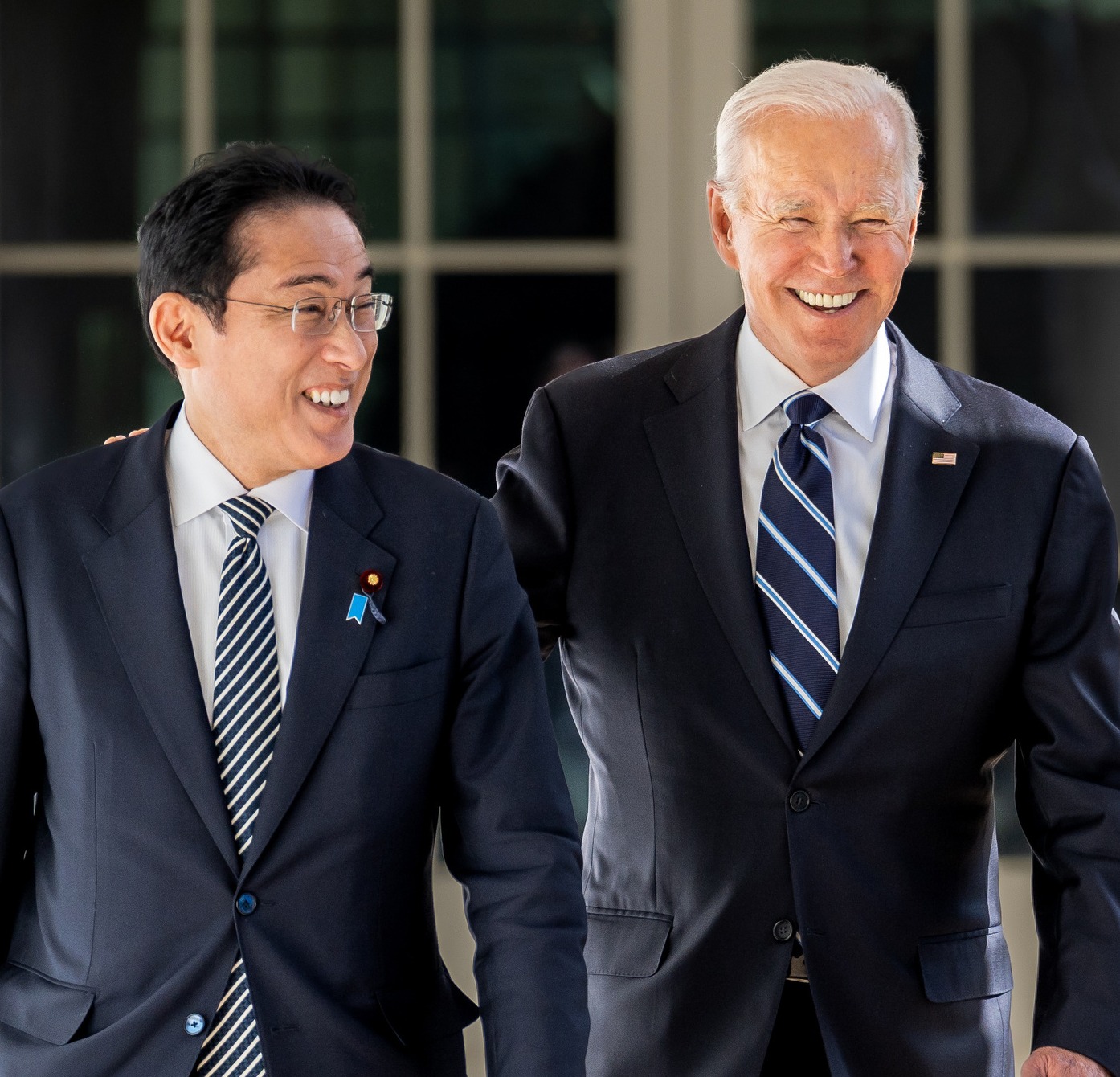
Leveraging the technological prowess accumulated by the Japanese defense industry over the years, extending the range of existing missiles appears to be a manageable task.
Tokyo has already announced that the current iteration of the Type-12 missile, utilizing a turbojet engine, will undergo upgrades by integrating a more fuel-efficient turbofan engine, akin to the method employed to extend the range of the US JASSM.
Additionally, Japan has secured the purchase of 400 US-built Tomahawk missiles with a range of up to 1600 kilometers.
- Questions and Answers
- Opinion
- Motivational and Inspiring Story
- Technology
- Live and Let live
- Focus
- Geopolitics
- Military-Arms/Equipment
- Security
- Economy
- Beasts of Nations
- Machine Tools-The “Mother Industry”
- Art
- Causes
- Crafts
- Dance
- Drinks
- Film/Movie
- Fitness
- Food
- Games
- Gardening
- Health
- Home
- Literature
- Music
- Networking
- Other
- Party
- Religion
- Shopping
- Sports
- Theater
- Health and Wellness
- News
- Culture

 Chinese
 Arabic
 French
 Spanish
 Portuguese
 Deutsch
 Turkish
 Dutch
Dutch
 Italiano
 Russian
 Romaian
 Portuguese (Brazil)
 Greek
Greek