

From Single-Cell Expression to Immunotherapy Target Discovery
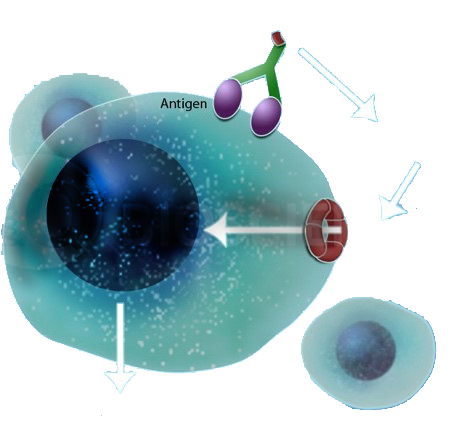
The promise of cancer immunotherapy rests on a detailed understanding of how tumors and immune cells interact. Tumor tissues are highly heterogeneous, containing diverse populations of malignant, stromal, and immune cells. These cellular communities shape disease progression and influence how patients respond to treatment. Traditional bulk sequencing methods blur this complexity, masking the identities and functions of rare but critical cell types. Single-cell technologies are transforming this view, offering a high-resolution map of the tumor microenvironment (TME) and paving the way toward smarter target discovery for immunotherapy.
Revealing Cellular Heterogeneity
One of the most widely adopted approaches is single cell transcriptomics. By analyzing gene expression at the individual cell level, this method uncovers the diversity within tumors that bulk profiling cannot resolve. Researchers can distinguish malignant clones from surrounding stromal elements and infiltrating immune subsets, while also identifying rare populations such as stem-like cancer cells or therapy-resistant clones. These insights are not just descriptive—they inform hypotheses about which cells drive tumor growth, which contribute to relapse, and which may serve as promising intervention points.
Characterizing the Immune Response
Expression data alone, however, cannot fully explain the dynamic interplay between tumors and host immunity. Single cell immune profiling adds another layer of resolution by focusing on the immune repertoire itself. Sequencing of T-cell and B-cell receptors reveals clonality, diversity, and lineage relationships, while functional profiling can identify subsets that are actively engaging with tumor cells or those rendered inactive by suppressive signals. Such analyses help clarify why checkpoint blockade therapies succeed in some patients but fail in others, and they highlight opportunities to design interventions that reinvigorate exhausted immune populations.
Integrating Multi-Dimensional Data
As powerful as transcriptomic and immune data are individually, tumors operate through interconnected molecular systems. This has driven increasing adoption of multiplexing single-cell multi-omics approaches. By collecting transcriptomic, proteomic, and epigenetic information from the same cell, researchers can link gene activity to regulatory mechanisms and downstream functional outcomes. For example, integrating RNA expression with chromatin accessibility can reveal transcription factors that enable immune evasion, while coupling RNA and protein readouts can validate signaling pathways active in resistant clones. This holistic perspective is invaluable for pinpointing targets that are not only present but mechanistically relevant.
Toward More Effective Immunotherapies
Taken together, these three layers of analysis—expression, immune profiling, and multi-omics integration—form a coherent path for advancing cancer research. The progression is natural: first, identify the cellular heterogeneity that exists within the tumor; then, characterize the immune populations that attempt to control it; finally, integrate multi-omic perspectives to connect regulation with function. This framework supports the discovery of new therapeutic targets, informs biomarker development for patient stratification, and provides insights into resistance mechanisms that challenge durable responses.
By viewing the tumor microenvironment through these complementary lenses, researchers are constructing a richer, more actionable atlas of cancer biology. Each layer of data contributes unique insights, but together they create a roadmap for designing immunotherapies that are more precise, more adaptive, and ultimately more effective in improving patient outcomes.
- Questions and Answers
- Opinion
- Motivational and Inspiring Story
- Technology
- Live and Let live
- Focus
- Geopolitics
- Military-Arms/Equipment
- Sicurezza
- Economy
- Beasts of Nations
- Machine Tools-The “Mother Industry”
- Art
- Causes
- Crafts
- Dance
- Drinks
- Film/Movie
- Fitness
- Food
- Giochi
- Gardening
- Health
- Home
- Literature
- Music
- Networking
- Altre informazioni
- Party
- Religion
- Shopping
- Sports
- Theater
- Health and Wellness
- News
- Culture

 Chinese
 English
 Arabic
 French
 Spanish
 Portuguese
 Deutsch
 Turkish
 Dutch
Dutch
 Russian
 Romaian
 Portuguese (Brazil)
 Greek
Greek