

How Modular Distribution Socket Box Save Time And Simplify Upgrades
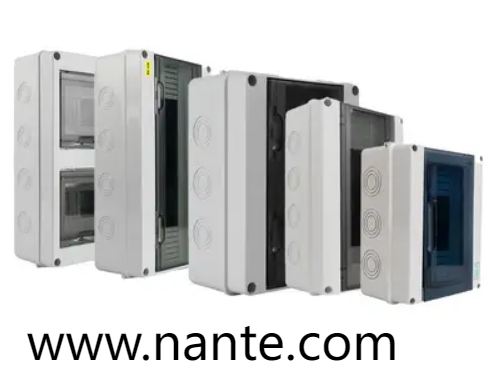
In modern industrial settings the distribution Socket Box plays a central role when planners weigh flexibility against ruggedness. As projects accelerate toward electrified workflows and remote monitoring, teams must decide whether a modular enclosure that accepts inserts and sensors or a traditional sealed unit better fits on site realities. Recent shifts in procurement and labor availability make that choice relevant for both new builds and retrofit work.
Modular systems shine when change is likely. Removable trays allow technicians to swap modules on site so upgrades and repairs avoid long outages. When operations evolve, adding metering controls or additional ways becomes a less invasive task. That adaptability reduces hours spent cutting surfaces or chasing complex rewiring and keeps downtime short while crews maintain production.
Traditional boxes keep things simple. A single body with fixed terminal points offers predictable performance where conditions are steady and access for upgrades is limited. For heavy duty tasks a well made sealed cabinet resists physical damage and limits exposure to dust and moisture. When teams prefer a stable footprint and minimal configuration choices these units provide a familiar path from ordering to operation.
Maintenance patterns differ between the two approaches. Modular units can lower service time because wear parts swap out without disturbing surrounding finishes. On the other hand greater modularity means more interfaces to manage and more replacement items to track. Traditional enclosures benefit from fewer service touches but often require larger interventions if an internal element fails and needs replacement.
Safety and sealing deserve attention in either case. For outdoor or washdown locations choose an enclosure that keeps seals intact under repeated opening cycles. Gasket design hinge robustness and captive fasteners matter when crews open doors frequently. For industrial floors where impact and vibration occur reinforced fixings and anti vibration mounts preserve internal integrity and avoid loosening under repeated stress.
Planning for supply and spares has become a practical constraint. Recent delivery delays and shifting component availability encourage teams to favor parts that are simple to source or that a vendor can support over time. Modular strategies reduce lead time risks when common inserts are stocked widely, while standard boxes rely on durable bodies and a small number of consumables that remain easy to hold on site.
Integration with monitoring layers adds another angle. Smart modules that fit into modular trays let operators gather load patterns and component health without major cabinet changes. That visibility enables predictive care and targeted inspections rather than broad checks. Fixed units can accept external sensors but may require extra conduit and mounting work to achieve similar visibility.
Cost planning balances initial outlay and lifetime expense. Modular assemblies may carry a higher upfront price when factoring intelligence and spare kits, but they often lower total disruption costs across evolving projects. Traditional choices tend to show straightforward purchase budgets and simpler installation charges, which suits projects with defined scopes and limited expected change.
Operator skill and site routines influence which path suits a location. Teams with steady staffing and tightly scheduled maintenance windows find value in modular systems that leaders can update during planned pauses. Sites with limited service access or with outsourced maintenance prefer sealed bodies that minimize parts handling and limit on site choices.
Decision makers benefit from vendor documentation and accessory support. Suppliers who publish clear compatibility charts spare lists and handling notes help planners match an enclosure to site exposure and upgrade intentions. A strong support channel smooths procurement and keeps service predictable over the life of an installation.
Evaluating modular against traditional Socket Box options means balancing flexibility resilience and upkeep against procurement realities and operational rhythms. For guidance on matching enclosure styles to environmental demands and maintenance capacity consult product pages and technical notes from a reliable supplier. For product information accessory options and support resources visit www.nante.com , where documentation and service contacts can help align selections with project constraints and long term plans.
- Questions and Answers
- Opinion
- Motivational and Inspiring Story
- Technology
- Live and Let live
- Focus
- Geopolitics
- Military-Arms/Equipment
- Güvenlik
- Economy
- Beasts of Nations
- Machine Tools-The “Mother Industry”
- Art
- Causes
- Crafts
- Dance
- Drinks
- Film/Movie
- Fitness
- Food
- Oyunlar
- Gardening
- Health
- Home
- Literature
- Music
- Networking
- Other
- Party
- Religion
- Shopping
- Sports
- Theater
- Health and Wellness
- News
- Culture

 Chinese
 English
 Arabic
 French
 Spanish
 Portuguese
 Deutsch
 Dutch
Dutch
 Italiano
 Russian
 Romaian
 Portuguese (Brazil)
 Greek
Greek