

Why Your Business Needs a Sustainable Bottle Manufacturer in the Philippines
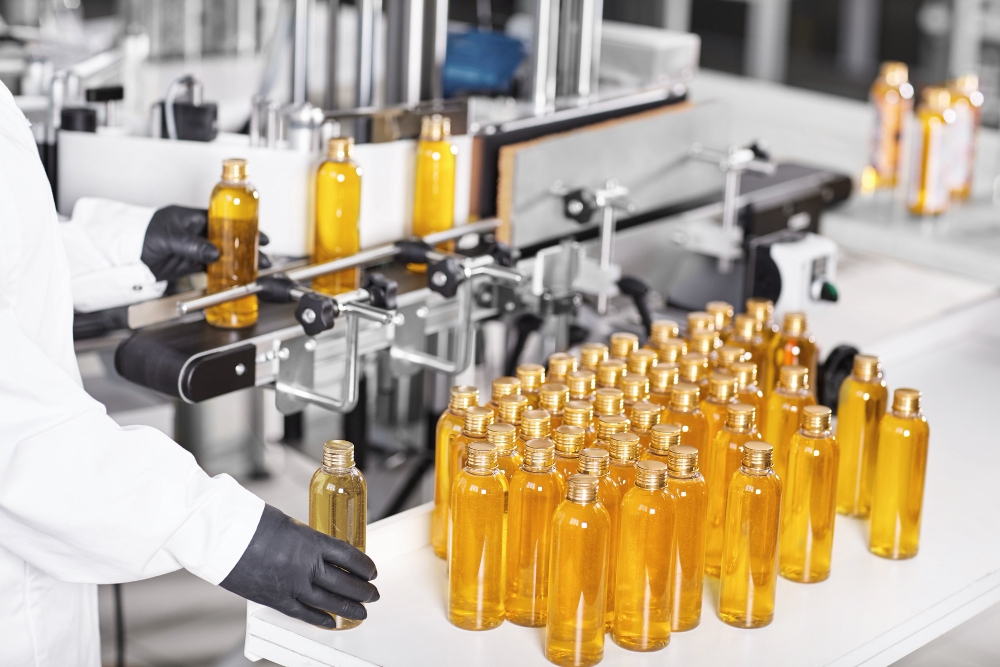
Choosing the right packaging partner can strongly affect your business success. A sustainable bottle manufacturer in the Philippines offers a path to growth that protects both profits and the planet. This packaging sector forms a major support for the country’s consumer goods economy.
What Defines the Philippine Bottle Manufacturing Sector?
To understand where the industry is going, we must first look at its current structure. This involves knowing its market size and which companies are the biggest players. It also includes looking at what products they create and who buys them.
Market Size and Key Players
The container glass market in the Philippines shows strong growth potential. Analysts project this market will grow from 484.3 kilotons in 2025 to 616.93 kilotons by 2030. This growth represents a steady 4.96% annual increase over those five years. Several major companies control the market and lead this expansion.
Core Products and Customers
Clear flint glass containers make up a large portion of the market, accounting for 45.38% of all products. These containers are widely used for common beverages and food items across the country. The beverages section is the largest customer group, consuming 61.18% of the total market share. Other significant buyers come from the food, cosmetics, and pharmaceutical industries. Amber glass, used for pharmaceuticals and craft spirits, is also increasing quickly at a 5.71% yearly rate. This shows the industry is growing while serving diverse customer needs.
Why is Sustainable Packaging a Major Focus?
The packaging industry’s projected growth does not happen without outside influences. Strong environmental and social forces shape this expansion. These forces range from changing customer attitudes to new government laws. They create both big chances and difficult problems for manufacturers to solve.
Customer and Government Pressure
Two main forces are pushing the demand for packaging that is good for the environment. On one side, customers are demanding better options. Consumers, especially those living in Metro Manila, are willing to pay more money for options that are eco-friendly. On the other side, government rules are changing the market. The Extended Producer Responsibility (EPR) Act makes glass a more appealing choice for big brands. This law requires large companies to recover up to 80% of the plastic they sell after customers use it by 2028.
Risks and Challenges to Sustainability
Manufacturers face several hurdles even while trying to increase production. One big challenge is the risk of "greenwashing." Greenwashing is when a company makes untrue or misleading statements about a product’s environmental features. For example, a bottle marked as "100% recycled" may deceive buyers if the plastic cap or paper label are not recycled parts.
The industry also deals with difficult economic and operational issues. For instance, energy costs in the Philippines are very high, often 38% to 67% higher than in nearby countries. Furthermore, there is a serious threat from competing materials like PET and metal. Disposable PET bottles are much lighter, and an estimated 163 million plastic sachets are sold every day in the country. Another problem is the shortage of cullet, which is crushed glass for recycling, due to poor collection systems nationwide.
How Manufacturers Approach Compliance
In order to meet market needs and lower risks, Philippine bottle makers are using new strategies. They follow strict rules while also improving how they operate. These actions directly help them solve the problems of high cost, material sourcing, and new government laws.
Practical Recycling and Reuse
Major companies are actively putting circular economy ideas into practice. For example, San Miguel Brewery (SMB) has used a returnable glass bottle (RGB) system for a long time. In this efficient system, more than 90% of the glass needed for beer production comes from returned bottles. These returned bottles are typically reused for about five to ten years before retiring. Additionally, San Miguel uses its leftover materials well. Cullets from its bottling plants are supplied as raw materials to San Miguel Yamamura Packaging Corporation to make new glass.
Following Philippine Regulations
A clear legal structure guides all environmental claims made in the country. The Consumer Act of the Philippines stops dishonest sales practices and false advertising to protect buyers. The Department of Trade and Industry (DTI) also supports the "Green Choice Philippines" seal. This government-approved seal helps customers easily identify products and services that are better for the environment. These actions make sure companies are honest about their green claims.
Aligning with Broader Corporate Goals
These efforts toward sustainability often fit into the company's wider mission. San Miguel Brewery’s public commitment is to "nurturing the environment and building progressive communities for future generations." This statement shows how daily operations connect to the overall goals of the entire company. This combination of hands-on recycling and following regulations provides a clear and honest path forward for the whole industry.
Key Takeaway
The glass bottle sector in the Philippines continues to expand, mainly because of high demand from the beverage industry. Every business choosing a bottle manufacturer in the Philippines must manage economic difficulty and growing public calls for sustainable practices. Companies are responding by making sure they have real recycling programs and by strictly following environmental rules. The industry’s future success will depend on correctly balancing these real-world economic facts with a sincere responsibility to the environment.
- Questions and Answers
- Opinion
- Motivational and Inspiring Story
- Technology
- Live and Let live
- Focus
- Geopolitics
- Military-Arms/Equipment
- Segurança
- Economy
- Beasts of Nations
- Machine Tools-The “Mother Industry”
- Art
- Causes
- Crafts
- Dance
- Drinks
- Film/Movie
- Fitness
- Food
- Jogos
- Gardening
- Health
- Início
- Literature
- Music
- Networking
- Outro
- Party
- Religion
- Shopping
- Sports
- Theater
- Health and Wellness
- News
- Culture

 Chinese
 English
 Arabic
 French
 Spanish
 Portuguese
 Deutsch
 Turkish
 Dutch
Dutch
 Italiano
 Russian
 Romaian
 Greek
Greek