

How Private Labels Use Viscose Fabric for Authentic Basics
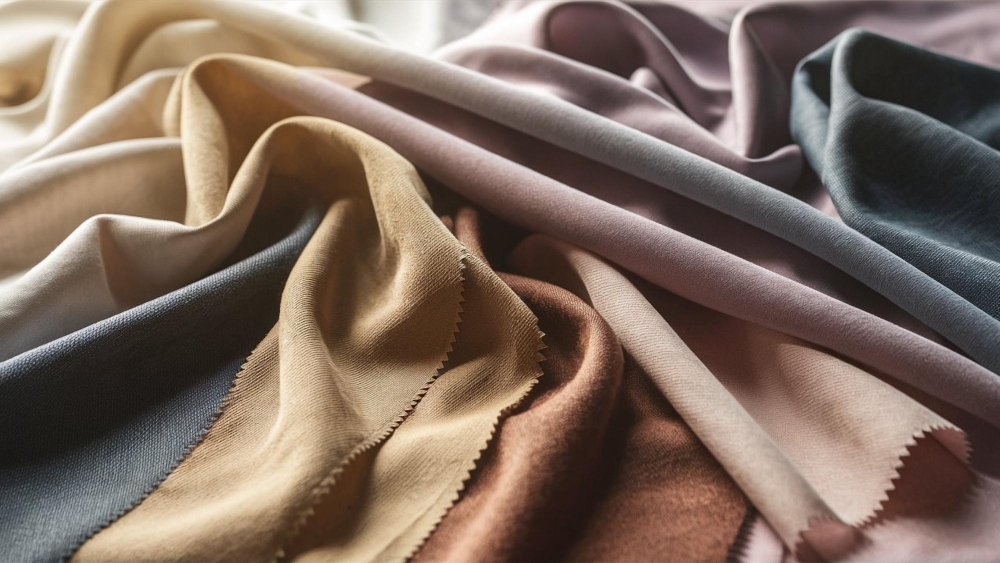
The fashion industry moves fast. For private label brands, the challenge lies in balancing quality, cost, and consumer demand. Shoppers want clothes that look premium, feel soft, and last a long time. They also want these items at a fair price. This is where material selection determines success or failure. While cotton remains a standard choice, savvy brand owners know that viscose fabric offers a strategic advantage.
Viscose serves as a bridge between natural fibers and synthetic materials. It provides a luxurious drape similar to silk but maintains a price point that keeps business profitable. For private labels focusing on "authentic basics"—those core wardrobe staples like t-shirts, loungewear, and simple dresses—viscose transforms a simple design into a high-end product. This article breaks down why this material works so well for private labels and how you can source it effectively.
Understanding the Rise of Viscose in Fashion
Viscose is a semi-synthetic fiber made from regenerated cellulose, typically derived from wood pulp. It is not fully natural like wool, nor is it fully synthetic like nylon. It sits comfortably in the middle, taking the best properties of both worlds.
For a private label, differentiation is key. If you sell a basic white tee, it needs a reason to stand out. Viscose fabric provides that reason through its texture. It is smooth to the touch and has a unique sheen that catches the light differently than cotton. This immediate visual and tactile difference signals "quality" to the customer before they even try the garment on.
Market trends show a shift toward "quiet luxury." Consumers move away from heavy branding and toward high-quality materials. Private labels capitalize on this by using viscose to create basics that feel expensive but remain affordable.
The Sustainability Factor: A Renewable Resource
Modern consumers read labels. They care about where their clothes come from. Sustainability is no longer a bonus; it is a requirement for many shoppers. Viscose originates from renewable plants, usually beech, pine, or bamboo. Unlike polyester, which is plastic-based and takes centuries to decompose, viscose is biodegradable.
However, the production process matters. Standard viscose production involves chemicals, but the industry has advanced significantly. Variations like Lyocell and Modal utilize closed-loop processes that recycle water and solvents.
When you market your private label, highlighting the plant-based origin of your viscose fabric builds trust. It tells a story of responsibility. Brands that communicate this clearly often see higher customer loyalty. It proves that you can offer authentic, high-quality basics without compromising on environmental values.
Comfort and Versatility in Design
Designers love working with viscose because it is incredibly versatile. It holds dye exceptionally well, resulting in deep, vibrant colors that do not fade easily. Whether you want a stark black or a bright summer yellow, viscose delivers consistency.
Drapability and Fit
One of the standout features of viscose is its weight. It does not cling uncomfortably; instead, it hangs loosely and moves with the body. This makes it ideal for creating flattering silhouettes in dresses, skirts, and relaxed tops. For a private label creating a line of basics, this means your products fit a wider range of body types comfortably, reducing return rates.
Breathability and Moisture Management
Viscose is highly absorbent. It wicks moisture away from the skin, making it an excellent choice for summer collections or activewear blends. It keeps the wearer cool and dry. This functional benefit turns a standard basic item into a daily essential that customers reach for again and again.
Cost-Effectiveness for Business Growth
Running a private label requires strict attention to margins. You need materials that look high-end but do not break the bank. Silk is beautiful, but it is expensive and difficult to care for. Viscose fabric mimics the feel and look of silk at a fraction of the cost.
By using viscose, you keep your production costs manageable. This allows you to maintain healthy profit margins while still pricing your products competitively. You can offer a "luxury basic" at a mid-market price. This value proposition is powerful. It convinces customers to switch from fast-fashion alternatives to your brand because they perceive higher value for their money.
Furthermore, finding a reliable wholesale fabric supplier who specializes in viscose can drive costs down further through bulk purchasing. The economic logic behind using viscose is sound: maximum perceived value for minimum input cost.
Brands Successfully Using Viscose
Many companies rely on viscose to power their collections. While global giants like H&M use it for mass-market appeal, the real innovation often happens with specialized suppliers and agile private labels.
Fabriclore
Fabriclore stands out as a premier enabler for private labels. They do more than just sell cloth; they provide a platform for brands to create. Fabriclore offers an extensive range of viscose options, from standard weaves to sustainable blends like Liva and Ecovero. Their tech-enabled platform allows business owners to source customized designs with low Minimum Order Quantities (MOQ). This flexibility supports small to medium private labels in scaling up without overcommitting to stock.
The Label Life
This brand focuses on celebrity-curated basics. They frequently utilize viscose blends to achieve tailored looks that remain comfortable for all-day wear. Their success lies in marketing these items as "effortless," a characteristic inherent to the fabric itself.
BUNA Studio
A smaller, boutique label that focuses on slow fashion. They use natural and semi-natural fabrics to create timeless pieces. Their use of viscose blends helps them achieve textured, artisanal looks that appeal to niche markets looking for authenticity.
Sourcing High-Quality Viscose for Your Label
The quality of the final garment depends entirely on the quality of the fabric. Sourcing is the most critical step in the production chain. Here is how to ensure you get the best material for your basics.
Know Your GSM
GSM (Grams per Square Meter) determines the weight of the fabric.
- Low GSM (80-100): Very sheer, good for linings or light summer scarves.
- Medium GSM (120-160): Ideal for t-shirts, tops, and dresses. This is the sweet spot for basics.
- High GSM (180+): Heavier drape, suitable for trousers or structured skirts.Always check the GSM when you contact a wholesale fabric supplier.
Verify Sustainability Certifications
If you market your brand as eco-friendly, you must verify your claims. Look for suppliers who offer certified fibers like FSC (Forest Stewardship Council) certified pulp or branded fibers like Lenzing Ecovero. These certifications validate your marketing and protect your brand reputation.
Utilizing Online Platforms
The days of traveling to trade shows to find materials are fading. Today, you can buy fabric online with ease. This saves time and travel expenses. However, you need to trust the platform.
When you look to buy fabric online, look for detailed product descriptions, high-resolution images, and clear return policies. Platforms that cater specifically to B2B transactions often provide better support than general marketplaces. They understand the needs of a private label, such as consistency between batches and reliable shipping timelines.
Sampling is Non-Negotiable
Never commit to a large order without seeing a sample. A swatch allows you to test the hand-feel, the drape, and the color accuracy. A reputable wholesale fabric supplier will always provide swatches or sample yards. Wash the sample. Iron it. See how it behaves. This small upfront cost saves you from disastrous production runs later.
Build a Relationship with Your Supplier
Your supplier is your business partner. Clear communication prevents errors. If you need a specific shade of blue, send a physical reference. If you need the fabric by a certain date, be upfront about your timeline. Companies like Fabriclore prioritize customer support, offering transparency on delivery and production status. This reliability is worth its weight in gold when you have a launch deadline to meet.
Why Viscose is the Future of Basics
The definition of "basic" has changed. It no longer means "cheap" or "plain." It means "essential." Customers build their lives around these items. They want basics that look good in a Zoom meeting, feel comfortable on the couch, and survive multiple wash cycles.
Viscose fabric meets all these criteria. It offers the aesthetic appeal of luxury fabrics, the comfort of natural fibers, and the cost structure required for a profitable business. It allows private labels to create authentic, high-quality garments that stand out in a crowded marketplace.
For the private label owner, the path forward is clear. Focus on material quality. Source responsibly. Use the versatility of viscose to design clothes that people want to live in. Whether you are just starting or looking to expand your collection, the right fabric choice is the foundation of your brand's identity.
- Questions and Answers
- Opinion
- Motivational and Inspiring Story
- Technology
- Live and Let live
- Focus
- Geopolitics
- Military-Arms/Equipment
- Security
- Economy
- Beasts of Nations
- Machine Tools-The “Mother Industry”
- Art
- Causes
- Crafts
- Dance
- Drinks
- Film/Movie
- Fitness
- Food
- Games
- Gardening
- Health
- Home
- Literature
- Music
- Networking
- Other
- Party
- Religion
- Shopping
- Sports
- Theater
- Health and Wellness
- News
- Culture

 Chinese
 Arabic
 French
 Spanish
 Portuguese
 Deutsch
 Turkish
 Dutch
Dutch
 Italiano
 Russian
 Romaian
 Portuguese (Brazil)
 Greek
Greek