

How Do Compound Gauges Perform in Corrosive Environments?
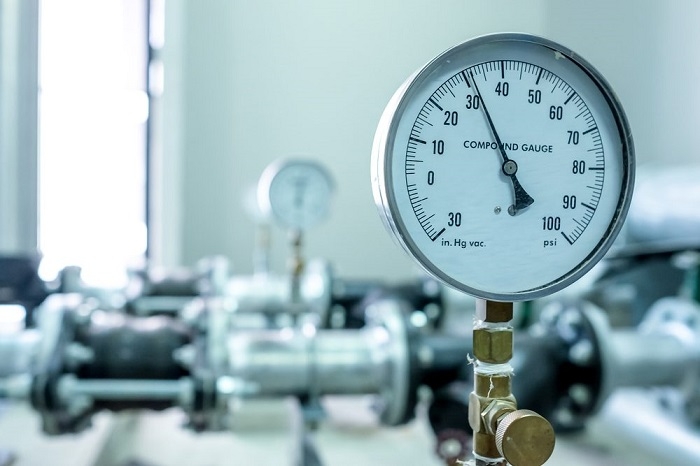
Compound gauges are essential tools in many industrial applications because they measure both positive pressure and vacuum. They appear in chemical plants, wastewater systems, oil and gas facilities, and laboratory environments. Many of these settings contain corrosive fluids, vapors, or particles. These conditions can damage sensitive instruments. They can weaken materials. They can create measurement errors. This article examines how compound gauges function in corrosive environments. It studies their design, their materials, their mechanical responses, and the steps engineers take to preserve accuracy and durability. It also explains why corrosive environments require thoughtful gauge selection and careful installation.
Understanding the Basic Design of Compound Gauges
What a Compound Gauge Measures
A compound gauge measures pressure above atmospheric pressure and pressure below atmospheric pressure. The scale shows positive pressure on one side of zero and vacuum on the other side. The operator sees a complete range. This full range is useful in systems where pressure fluctuates. It helps in systems that transition from suction to discharge. It helps in pumps, refrigeration lines, and process equipment.
Corrosive environments make this task harder. The gauge must sense pressure changes without losing accuracy. The internal sensing element must survive harsh media. The pointer must move smoothly even if the environment causes vibration or thermal stress.
Mechanical Elements Subject to Corrosion
Compound gauges often use a Bourdon tube. The tube flexes when pressure changes. A mechanical linkage transfers motion from the tube to the pointer. Every part of this assembly can corrode in the wrong environment. Corrosive chemicals can thin the tube walls. Corrosive vapor can enter small openings. Corrosive liquids can attack seals. The entire system depends on stable mechanical movement. Corrosion weakens this stability.
For this reason, many compound gauges intended for corrosive service use special alloys. They may use stainless steel for the tube and movement. They may use special diaphragms for isolation. They may include protective coatings to block chemical attack.
Materials Used to Enhance Corrosion Resistance
Choosing the Right Metals
The performance of compound gauges in corrosive environments depends heavily on the metal used. Basic brass components are vulnerable. Brass reacts with acids. Brass reacts with chlorides. Brass loses strength. Stainless steel performs better. Stainless steel resists rust. It resists many acids. It stays strong in high humidity. This makes stainless steel a common choice.
In extremely corrosive environments, stronger alloys become necessary. Hastelloy resists strong acids. Monel resists saltwater and alkalis. Inconel withstands high temperature and corrosive gas. These materials maintain structural integrity. They keep the Bourdon tube elastic. They protect the gauge from failure during long-term exposure.
Protective Coatings and Surface Treatments
Some compound gauges use protective coatings. These coatings form a barrier between the metal and the environment. They slow corrosion. They prevent pitting. They help maintain the gauge’s internal geometry. Common coatings include Teflon-based layers, enamel coatings, and chemically resistant polymers.
Surface treatments also improve corrosion resistance. Passivation improves stainless steel surfaces. It removes impurities. It strengthens the natural oxide layer. This layer prevents rust and chemical attack.
The Role of Chemical Isolation in Gauge Performance
Diaphragm Seals for Extreme Conditions
In very corrosive environments, even stainless steel may not survive. A diaphragm seal can help. The diaphragm keeps the process media from entering the gauge. It transfers pressure through a filled fluid. The corrosive material touches only the diaphragm. The diaphragm may be made from Teflon, Hastelloy, or other special materials. The gauge behind the diaphragm stays safe.
Compound gauges often pair with diaphragm seals in chemical plants. Acids, solvents, or brines may degrade standard tubing quickly. The diaphragm creates an isolation barrier. The gauge senses only mechanical force from the transfer fluid. This keeps the internal movement clean. It keeps the pointer stable.
Fill Fluids for Added Protection
The fill fluid inside a diaphragm system also matters. Silicone oils resist high temperature. Fluorinated fluids resist chemical attack. A stable fluid ensures accurate transmission of pressure. It also dampens vibration. This improves pointer stability. It reduces wear and tear.
In corrosive environments, the fill fluid must not react with the diaphragm material. Engineers choose a combination that remains inert. This combination protects the compound gauges from long-term failure.
Environmental Factors That Affect Gauge Accuracy
Temperature Effects in Corrosive Settings
Corrosive environments often have high temperature. Heat accelerates chemical reactions. Metals corrode faster. Seal materials degrade sooner. Temperature also causes thermal expansion. Expansion changes the tension in the Bourdon tube. It changes the calibration. Compound gauges must handle these temperature effects.
High-quality gauges use temperature-compensated designs. They use metals that expand predictably. They use stable mechanical linkages. They sometimes use liquid-filled cases to reduce expansion-related vibration.
Humidity and Atmospheric Chemicals
Corrosive environments may include humidity loaded with chemical vapors. This humidity can enter the gauge case if the seals are weak. Moisture can corrode internal movement parts. It can change friction inside the mechanism. It can cause sticking or slow pointer response.
To protect against this, compound gauges use sealed cases. They may use hermetic welds. They may use O-ring systems. They may use rear vent plugs that regulate pressure without allowing humidity inside.
Case Construction and Mechanical Strength
Gauge Housing Materials
The gauge case must withstand environmental attack. Plastic housings may degrade in certain chemicals. Aluminum may corrode in salty or acidic environments. Stainless steel cases are common because they resist surface corrosion. They also protect interior components from mechanical damage.
In extreme environments, gauge housings may include reinforced steel or polymer-lined interiors. These housings resist impact, vibration, and chemical splashes.
Window Materials and Chemical Exposure
The gauge window protects the dial. Glass windows resist scratches but may shatter under thermal shock. Acrylic windows resist impact but may dissolve in some solvents. Polycarbonate windows offer strength but may yellow with UV exposure.
In corrosive environments, choosing the correct window material prevents failures that compromise readability. Some windows include chemical-resistant laminates that prevent clouding or cracking.
Maintenance Practices for Long-Term Performance
Regular Inspection and Calibration
Compound gauges in corrosive environments require frequent inspection. Corrosion may begin invisibly. Small surface pits can weaken the Bourdon tube. Early detection prevents sudden gauge failure. Operators must check the pointer movement. They must verify zero position. They must watch for sticky response.
Calibration restores accuracy. Corrosive attack may change the sensitivity of the tube. Calibration adjusts the pointer to reflect true pressure again.
Cleaning and Protection
External cleaning removes corrosive residues. Chemical vapors can condense on the case. Solids can accumulate. Regular cleaning prevents buildup that might enter the mechanism. Protective shields may be added. Shields block splashes. Shields reduce chemical exposure. Shields lengthen gauge life.
Coatings may need reapplication over time. Surface treatments may weaken if exposed to strong chemicals repeatedly. Maintenance teams monitor coatings and reapply when needed.
Conclusion
Compound gauges provide essential pressure and vacuum measurement, but corrosive environments challenge their durability and accuracy. Their performance depends on material selection, protective coatings, diaphragm isolation options, and proper case construction. Stainless steel gives strong baseline protection. Advanced alloys resist more aggressive chemicals. Diaphragm seals isolate the gauge from damaging fluids. Proper fill fluids improve stability. Sealed housings block moisture and corrosive vapors. Maintenance ensures long-term reliability.
In corrosive environments, compound gauges remain valuable tools because their design can adapt to hostile conditions. They maintain accurate readings through careful engineering. They survive chemical attack through robust materials. They continue to support complex industrial systems through thoughtful maintenance. Their performance reflects both mechanical precision and protective innovation, making them dependable instruments even where corrosion threatens every exposed surface.
- Questions and Answers
- Opinion
- Motivational and Inspiring Story
- Technology
- Live and Let live
- Focus
- Geopolitics
- Military-Arms/Equipment
- Security
- Economy
- Beasts of Nations
- Machine Tools-The “Mother Industry”
- Art
- Causes
- Crafts
- Dance
- Drinks
- Film/Movie
- Fitness
- Food
- Games
- Gardening
- Health
- Home
- Literature
- Music
- Networking
- Other
- Party
- Religion
- Shopping
- Sports
- Theater
- Health and Wellness
- News
- Culture

 Chinese
 Arabic
 French
 Spanish
 Portuguese
 Deutsch
 Turkish
 Dutch
Dutch
 Italiano
 Russian
 Romaian
 Portuguese (Brazil)
 Greek
Greek