

What Specific Actions Signal a Shift From Democratic Norms Toward Centralized Power?
Healthy democracies depend on a dispersed structure of power: independent courts, a free press, active citizens, a professional civil service, and strong legislatures.
When governments—whether deliberately or gradually—diminish these institutions, power concentrates in the executive.
This shift does not always happen through dramatic coups. Often, it unfolds slowly through legal, administrative, rhetorical, and political maneuvers that appear routine on the surface but cumulatively erode the pillars of democratic accountability.
Below are the specific actions, warning signs, and institutional behaviours that typically signal a drift away from democratic norms and toward centralized authority.
1. Erosion of Checks and Balances Through Executive Overreach
A strong executive is not inherently dangerous; democracies occasionally require decisive leadership. The danger lies in systematic efforts to bypass or weaken institutional limits.
a. Governing primarily through executive orders and emergency powers
When presidents or prime ministers increasingly rely on unilateral tools—executive orders, emergency declarations, national security exemptions, regulatory memos—rather than legislation, it signals that:
-
the executive is circumventing democratic debate
-
legislative oversight is becoming irrelevant
-
decisions affecting millions are made by a small circle of unelected advisors
Emergency powers are especially risky because they are often invoked for issues that are not genuine emergencies. Once normalized, “emergency governance” becomes a default.
b. Interpreting laws in ways that dramatically expand executive authority
Executives may push legal boundaries through:
-
broad reinterpretations of old statutes
-
aggressive assertions of executive privilege
-
selective compliance with court rulings
-
claims that national security justifies withholding information
These moves rarely happen all at once. Instead, they accumulate, establishing new precedents that future leaders inherit—and possibly push even further.
2. Weakening Legislative Oversight
A democracy functions when the legislative branch actively checks the executive. Centralized power grows when that oversight is diminished.
a. Refusing to comply with legislative subpoenas
When executive offices, agencies, or officials ignore or delay congressional or parliamentary subpoenas, it shows that:
-
oversight is no longer taken seriously
-
political loyalty outweighs constitutional obligation
-
transparency is optional
b. Using political party alliances to shield executive wrongdoing
If a ruling party consistently blocks investigations into the executive—even before reviewing evidence—oversight becomes performative. The legislature transforms from a co-equal branch into a political shield.
c. Limiting legislative access to information
Executive agencies may:
-
slow-walk document releases
-
over-classify materials
-
deny briefings
-
restrict access to budget details
These tactics allow governments to operate without scrutiny and reduce lawmakers to symbolic participants.
3. Politicization of the Civil Service and Law Enforcement
A professional, neutral civil service is essential for democratic governance. Its politicization is a major warning sign.
a. Appointing loyalists over qualified experts
Centralized power grows when leaders prioritize political loyalty over competence for key roles, including:
-
intelligence directors
-
financial regulators
-
law enforcement chiefs
-
judges
-
agency heads
When loyalty becomes the primary qualification, institutions lose independence and become tools of the executive.
b. Pressuring law enforcement to target opponents or protect allies
Actions that signal authoritarian drift include:
-
interference in ongoing investigations
-
pressuring prosecutors to drop or soften charges
-
prioritizing cases that hurt political rivals
-
selectively applying justice
This undermines the rule of law. A justice system that is biased, fearful, or politically manipulated becomes an instrument of centralized authority.
4. Normalizing Attacks on Independent Institutions
Democratic leaders may criticize institutions, but authoritarian-leaning leaders systematically delegitimize them.
a. Portraying courts as enemies
When leaders claim judges are politically biased, untrustworthy, or illegitimate, they:
-
weaken public trust in judicial outcomes
-
pave the way for ignoring rulings
-
justify reshaping courts for political advantages
b. Undermining independent media
A free press acts as a watchdog. Attempts to silence or discredit it include:
-
labeling journalists as enemies
-
banning or restricting certain outlets
-
threatening reporters
-
flooding the information space with propaganda
When citizens stop trusting independent media, they rely instead on narratives from the executive—fueling centralized control.
c. Politicizing the military
Any suggestion that the military should intervene in domestic politics—or that loyalty to the leader outweighs the chain of command—is a red flag.
5. Restricting Civic Space and Public Participation
Democracy depends on active citizens, advocacy groups, and community organizations. Power centralizes when governments limit these freedoms.
a. Limiting protests or using excessive force
Heavy-handed policing of protests, restrictive permit requirements, or broad bans on assembly are signals of shrinking civic space.
b. Imposing regulations that weaken NGOs and civil society organizations
This can take the form of:
-
burdensome reporting requirements
-
restrictions on funding sources
-
targeted audits
-
public harassment
A weaker civil society cannot hold government accountable.
c. Discouraging or complicating voting
Measures that restrict voting access—purges of voter rolls, reduced polling locations, limited early voting—tilt power toward the ruling party and diminish democratic legitimacy.
6. Concentration of Economic Power in the Executive’s Hands
Financial decisions can be used to strengthen political control.
a. Using economic policy to reward allies and punish critics
This includes selective distribution of grants, contracts, federal funds, or loans. Such tactics create political dependency.
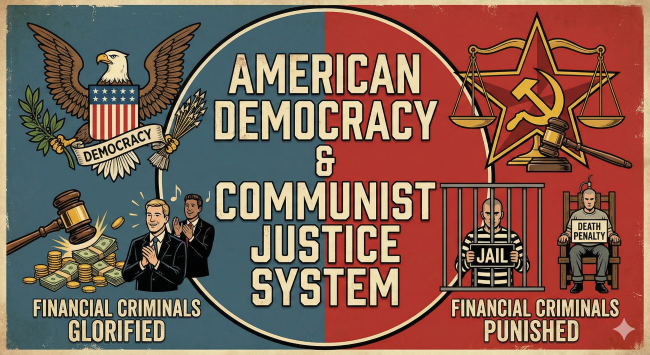
b. Shielding elites from prosecution
When financial offenders connected to the ruling party receive leniency or protection, it signals that the government is operating above the law.
c. Centralized control over regulatory agencies
If regulators become tools to pressure corporations or shield politically connected actors, the line between governance and coercion blurs.
7. Manipulating Public Narratives to Justify Expanded Power
Centralization often advances through coordinated messaging.
a. Using national security as a blanket justification
Leaders may claim threats—from crime to foreign influence—require exceptional authority. Citizens, fearful or anxious, may support extraordinary measures.
b. Promoting a narrative of existential crisis
When leaders insist that only they can save the nation from enemies—internal or external—they position themselves as indispensable.
c. Demonizing political opponents as illegitimate
Calling opponents traitors, threats, or criminals delegitimizes political competition and concentrates power around the ruling faction.
Centralization Is a Process, Not a Single Event
Democratic backsliding rarely emerges overnight. Instead, it grows through a sequence of actions:
-
weakening oversight
-
undermining independent institutions
-
politicizing justice
-
bypassing legislatures
-
narrowing civic space
-
monopolizing narratives
These moves, taken together, transform temporary executive strength into long-term centralized authority. The key warning sign is not any one action but the cumulative pattern.
- Questions and Answers
- Opinion
- Motivational and Inspiring Story
- Technology
- Live and Let live
- Focus
- Geopolitics
- Military-Arms/Equipment
- Security
- Economy
- Beasts of Nations
- Machine Tools-The “Mother Industry”
- Art
- Causes
- Crafts
- Dance
- Drinks
- Film/Movie
- Fitness
- Food
- Games
- Gardening
- Health
- Home
- Literature
- Music
- Networking
- Other
- Party
- Religion
- Shopping
- Sports
- Theater
- Health and Wellness
- News
- Culture

 Chinese
 Arabic
 French
 Spanish
 Portuguese
 Deutsch
 Turkish
 Dutch
Dutch
 Italiano
 Russian
 Romaian
 Portuguese (Brazil)
 Greek
Greek