
How can the killing of millions in Eastern Congo continue with almost no meaningful intervention from the AU, SADC, or the international community?
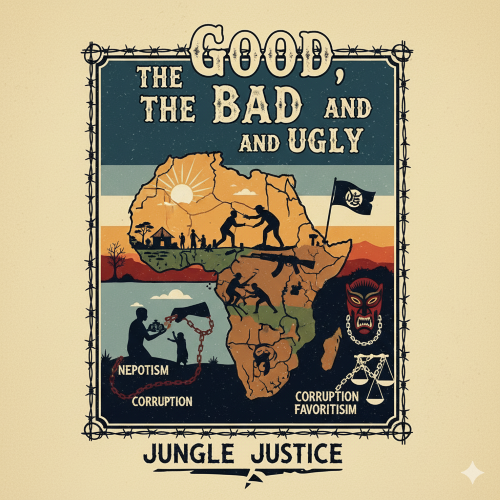
The killing of millions in Eastern Congo continues with almost no meaningful intervention due to a complex web of diverging regional interests, the influence of the conflict mineral economy, severe institutional weaknesses of the African Union (AU) and Southern African Development Community (SADC), and geopolitical indifference from the global community.
The crisis is not one of total inaction, but one where the scale, complexity, and resource-driven nature of the conflict have consistently overwhelmed and undermined all attempts at peace enforcement and stabilization.
The Failure of African Regional Bodies (AU & SADC)
While African solutions to African problems are the stated goal, the regional bodies tasked with solving the DRC crisis face crippling limitations and internal conflicts of interest.
1. Diverging Interests and Regional Sponsorship
The greatest obstacle to an effective regional intervention is that key neighboring states are simultaneously mediators and belligerents. The conflict economy, which involves the illicit trade of minerals like gold, coltan, and cobalt, financially benefits some of the DRC’s neighbors (particularly Rwanda and Uganda, who were involved in the earlier Congo Wars).
-
Conflict of Interest: Countries in regional bodies like the East African Community (EAC) or the AU have competing economic and security interests in the DRC, often leading them to tacitly or actively support proxy armed groups like the M23.
-
Failed Missions: The deployment of regional forces, such as the East African Community Regional Force (EACRF) and the Southern African Development Community Mission in the DRC (SAMIDRC), has faced immense challenges:
-
Ambiguous Mandates: Missions often lack a clear, offensive mandate, leading to disputes over whether their role is to enforce peace or simply monitor a ceasefire. The DRC government, for instance, pushed for the withdrawal of the EACRF, accusing it of failing to fight the M23 rebels.
-
Internal Divisions: The DRC itself is a member of multiple regional blocs (SADC, EAC, ICGLR), which leads to turf wars and poor coordination among the intervening groups. SADC, which has historically been more willing to condemn Rwanda’s alleged involvement, contrasts with the EAC, where Rwanda is a member.
-
2. Institutional and Capacity Limitations
The AU and SADC often lack the logistical, financial, and strategic capability to project the kind of sustained, high-intensity force required to defeat the over 120 armed groups operating in Eastern Congo.
-
Financial and Logistical Shortages: Military missions like SAMIDRC have suffered from severe underfunding, delays in deployment, and a shortage of critical assets (like air support and reconnaissance drones), leaving troops on the ground vulnerable and outmatched by well-equipped rebel groups.
-
Political Will vs. Resources: While the AU and SADC can issue strong condemnations (as the AU often does in the Luanda and Nairobi processes), translating this political will into a robust, long-term military commitment is often impossible without massive external financial and logistical backing, which is rarely forthcoming.
Global Indifference and Geopolitical Dynamics
The international community, including the United Nations (UN) and powerful Western nations, is widely criticized for prioritizing stability and resource access over human lives.
3. The Resource Curse and Corporate Complicity
The sheer value of the DRC's minerals—essential for modern electronics, electric vehicles, and defense technology—is a primary factor incentivizing the continuation of the conflict.
-
Silence for Supply: Major global powers and the multinational corporations headquartered within them benefit from the low prices and lack of governance that characterize the conflict economy. The lack of political pressure on Rwanda and other alleged sponsors is often linked to their strategic role as Western allies or their position in the global supply chain for "3TGs" (tin, tantalum, tungsten, and gold) and cobalt.
-
Ineffective Legislation: Initiatives like the US Dodd-Frank Act have attempted to target conflict minerals but have had limited success, often leading to de facto embargoes that hurt legitimate miners while organized crime networks continue to thrive, perpetuating the cycle of violence.
4. UN Peacekeeping Fatigue and Scale
The UN Organization Stabilization Mission in the Democratic Republic of the Congo (MONUSCO) has been the longest-running and one of the largest UN peacekeeping missions globally, but it faces severe limitations.
-
Massive Territory: The DRC is a country the size of Western Europe. MONUSCO's troop numbers are insufficient to protect civilians across such a vast, geographically challenging area, especially in the face of multiple mobile armed groups.
-
Force Protection Mandate: Peacekeepers are often limited by rules of engagement that prioritize the safety of their own troops, making them hesitant to engage in offensive combat to protect distant civilian populations.
-
Withdrawal: The Congolese government is actively seeking the accelerated withdrawal of MONUSCO, reflecting a widespread belief that the mission has failed to deliver peace after two decades, further creating a security vacuum.
5. Lack of Geopolitical Priority
The conflict in Eastern Congo lacks the strategic geopolitical urgency that triggers immediate, large-scale intervention from the UN Security Council or major Western powers (as seen in conflicts directly involving oil, major shipping lanes, or direct confrontation with a global rival).
-
Remote Crisis: Despite the catastrophic death toll and humanitarian crisis—which often exceeds that of more publicized conflicts—the violence is geographically distant from global power centers and is not easily reducible to a simple narrative of good versus evil. The complexity and history of local, ethnic, and proxy warfare make it an unappealing crisis for external actors looking for a quick, decisive "win."
-
Sovereignty Barrier: All intervention, whether African or international, must navigate the strict principle of state sovereignty. The DRC government’s control over its own territory is weak, but foreign powers are highly reluctant to intervene militarily without a clear, internationally-backed, and unambiguous mandate that does not violate Congolese sovereignty, particularly given the history of external exploitation.
The ongoing catastrophe in Eastern Congo is a stark humanitarian tragedy rooted in a deadly equilibrium: the local violence is sustained by regional profiteering (conflict minerals), and this system is protected by the structural weaknesses and political divisions within African organizations, which are then compounded by the international community's economic interests and calculated political indifference.
- Questions and Answers
- Opinion
- Motivational and Inspiring Story
- Technology
- Live and Let live
- Focus
- Geopolitics
- Military-Arms/Equipment
- Security
- Economy
- Beasts of Nations
- Machine Tools-The “Mother Industry”
- Art
- Causes
- Crafts
- Dance
- Drinks
- Film/Movie
- Fitness
- Food
- Games
- Gardening
- Health
- Home
- Literature
- Music
- Networking
- Other
- Party
- Religion
- Shopping
- Sports
- Theater
- Health and Wellness
- News
- Culture

 Chinese
 Arabic
 French
 Spanish
 Portuguese
 Deutsch
 Turkish
 Dutch
Dutch
 Italiano
 Russian
 Romaian
 Portuguese (Brazil)
 Greek
Greek