

Tooth Pain During Illness: What’s Really Happening
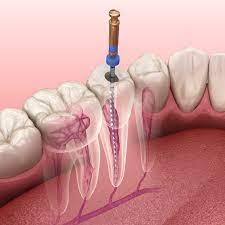
Feeling sick is already tough—but when tooth pain joins the mix, it becomes even more frustrating. Many people suddenly notice aching, pressure, or sensitivity in their teeth during a cold, the flu, or sinus issues, leading them to search for what causes tooth pain when i'm sick because the discomfort can feel confusing and unexpected. The connection between illness and tooth pain is not only real but more common than most realize, and understanding the reasons can help you feel more in control.
When your body is fighting an infection, many systems become inflamed or stressed. Your sinuses swell, your throat dries, your immune response intensifies, and your nerves often become more sensitive. All of these changes can directly affect your teeth or the tissues surrounding them. What feels like a dental emergency is often simply a reaction to what your body is dealing with internally.
In fact, as Dental Advice Today often emphasizes, illness can cause changes in saliva flow, hydration levels, sinus pressure, and even jaw tension—all of which can create temporary tooth discomfort. By understanding the real relationship between your oral health and the rest of your body, you can better manage pain and know when you actually need to see a dentist.
Why Illness Often Makes Your Teeth Hurt
Just below, we’ll break down the most common medical and biological reasons your teeth react when you’re unwell.
Sinus Pressure Impacting the Upper Teeth
One of the biggest causes of tooth pain during illness is sinus pressure. Your upper molars sit extremely close to your sinus cavities. When you’re congested, have sinusitis, or are battling allergies, those sinuses fill with mucus and become inflamed.
This swelling creates downward pressure on the roots of your upper teeth. It often mimics a real toothache—dull, throbbing, and sensitive when biting or leaning forward. Some people even think they need a root canal when the problem is actually sinus-related.
Widespread Inflammation During Sickness
Your immune system reacts strongly when you’re ill. It releases inflammatory chemicals to fight viruses or bacteria, but those same chemicals can heighten nerve sensitivity. This means your teeth may feel more sensitive to temperature, pressure, or even simple touch.
If your gums are already irritated or if you have minor enamel erosion, illness-related inflammation will make the discomfort more noticeable.
Mouth Breathing and Gum Dryness
Sickness often forces you to breathe through your mouth—especially if your nose is blocked. This leads to dry mouth and irritated gums. Saliva normally protects your teeth from bacteria and keeps tissues moist. Without it, bacteria multiply faster, which can cause gum soreness or tooth sensitivity.
Dry, irritated gums during a cold are one of the most overlooked sources of tooth pain.
Hidden Illness-Related Factors That Trigger Tooth Pain
Below, we explore several other ways your body’s reaction to sickness can unexpectedly impact your teeth.
Medications That Reduce Saliva Flow
Over-the-counter cold and allergy medicines—antihistamines, decongestants, and some cough medications—commonly cause dry mouth. When saliva flow decreases:
-
Bacteria build up more quickly
-
Acids in the mouth are not neutralized
-
Teeth become more sensitive
This dryness alone can cause aching, tingling, or burning sensations around the teeth and gums.
Fever, Dehydration, and Enamel Sensitivity
High fevers and dehydration pull moisture from the tissues in your mouth. Dehydration also reduces the protective enamel barrier, making your teeth react more strongly to heat, cold, or even chewing.
If vomiting is part of your illness, stomach acid can damage enamel even more, leading to increased tooth sensitivity.
Muscle Tension and Teeth Grinding
Many people clench or grind their teeth when they feel sick, tired, or stressed. This grinding—especially during sleep—puts pressure on the teeth and jaw joints, making them feel sore when you wake up. Even a single night of heavy grinding can cause:
-
Tooth sensitivity
-
Jaw stiffness
-
Headaches
-
Pressure around the molars
Illness rarely causes grinding, but the discomfort of being sick can trigger it temporarily.
How to Relieve Tooth Pain While You’re Sick
Below, you’ll find practical steps to ease discomfort and protect your oral health during illness.
Clear Your Sinuses to Reduce Tooth Pressure
Relieving sinus congestion is often the fastest way to reduce tooth pain. Try:
-
Warm steam inhalation
-
Saline nasal rinses
-
Hot showers
-
Warm compresses on the cheeks and forehead
-
Staying well-hydrated
As the pressure in the sinus cavities decreases, your tooth pain typically fades.
Keep Your Mouth Moist and Clean
Even when you’re sick and exhausted, maintaining gentle oral hygiene helps limit sensitivity. Tips include:
-
Brushing twice daily with a soft-bristled brush
-
Using fluoride toothpaste to protect enamel
-
Drinking plenty of water
-
Sucking on sugar-free lozenges to stimulate saliva
-
Using a humidifier at night
If you’ve vomited, rinse with water and a pinch of baking soda before brushing. This protects enamel from acid damage.
Use Comfort Measures for Tooth and Gum Relief
For immediate relief, consider:
-
Warm saltwater rinses to soothe tissue
-
Over-the-counter pain relievers
-
Avoiding very cold or hot foods
-
Eating soft foods that require minimal chewing
-
Sleeping with your head elevated to reduce sinus pressure
Gentle oral care and hydration can significantly reduce symptoms within a short period.
FAQs
Q1: Is it normal for tooth pain to get worse when I bend over or lie down?
A: Yes. If your tooth pain is due to sinus congestion, changing your head position increases sinus pressure, which pushes on the upper tooth roots. This is one of the most common signs of sinus-related tooth pain rather than a dental problem.
Q2: How do I know if my tooth pain is from sickness or a real dental issue?
A: If multiple upper teeth hurt, especially during a cold or sinus infection, the cause is often sinus pressure. A true dental issue usually affects one specific tooth and may come with swelling, severe temperature sensitivity, or pain that lasts after the illness. If the pain continues after you recover, get an exam.
Q3: Should I visit a dentist if my tooth pain started only when I got sick?
A: If the pain is mild and clearly linked to sinus pressure or dryness, it’s usually safe to wait until after you recover. But if the pain is severe, persistent, or comes with swelling, a dental visit is recommended to rule out infection or decay.
Conclusion
Tooth pain during illness can be surprising, uncomfortable, and even alarming, but it’s incredibly common. Your sinuses, nerves, jaw muscles, and gums are all affected when your body fights an infection. Sinus pressure, dehydration, inflammation, grinding, and dry mouth work together to create sensations that mimic dental problems—even when your teeth themselves are healthy.
Fortunately, most of this discomfort fades once your sickness improves. By staying hydrated, clearing your sinuses, maintaining gentle oral hygiene, and protecting your enamel, you can significantly reduce tooth sensitivity during illness. If the pain lasts beyond recovery or becomes severe, consulting a dentist ensures you get the right diagnosis and proper treatment.
- Questions and Answers
- Opinion
- Motivational and Inspiring Story
- Technology
- Live and Let live
- Focus
- Geopolitics
- Military-Arms/Equipment
- Security
- Economy
- Beasts of Nations
- Machine Tools-The “Mother Industry”
- Art
- Causes
- Crafts
- Dance
- Drinks
- Film/Movie
- Fitness
- Food
- Games
- Gardening
- Health
- Home
- Literature
- Music
- Networking
- Other
- Party
- Religion
- Shopping
- Sports
- Theater
- Health and Wellness
- News
- Culture

 Chinese
 Arabic
 French
 Spanish
 Portuguese
 Deutsch
 Turkish
 Dutch
Dutch
 Italiano
 Russian
 Romaian
 Portuguese (Brazil)
 Greek
Greek