

Fire Alarm System Installation: A Complete Beginner’s Guide
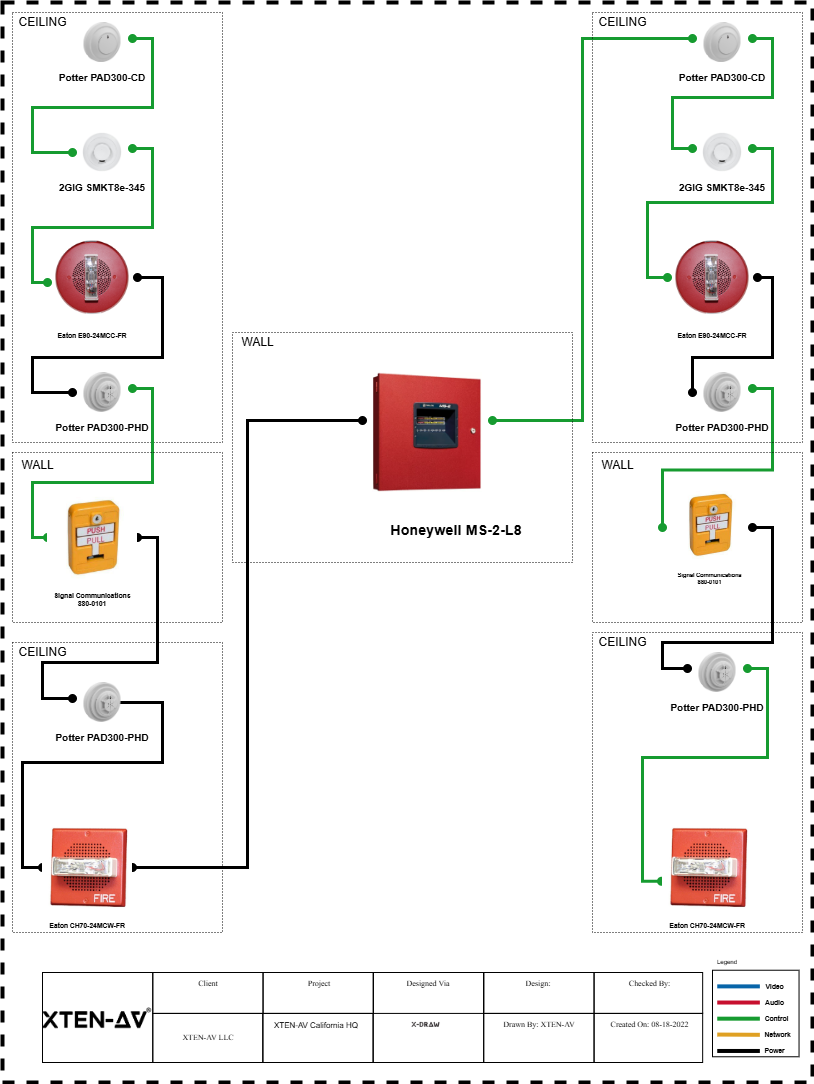
Installing a fire alarm system is essential for protecting lives and property in residential, commercial, and industrial buildings. In 2025, advancements in technology have made installation easier but still require careful planning, compliance with safety codes, and proper execution. This guide provides a complete beginner’s overview of fire alarm system installation, explaining the process, components, and best practices.
Understanding Fire Alarm Systems
-
A fire alarm system consists of detectors, control panels, notification devices, and wiring or wireless connections.
-
Detectors include smoke, heat, and multi-sensor units designed to sense fire-related indicators.
-
Notification devices such as sirens, bells, and strobes alert occupants to evacuate.
-
Control panels monitor detector signals, process alerts, and trigger alarms.
Planning the Installation
-
Conduct a fire risk assessment to identify high-risk areas and determine the number and type of detectors needed.
-
Review building layouts and consider factors such as ceiling height, ventilation, and room usage.
-
Ensure compliance with relevant fire safety codes and standards, such as NFPA 72 and local regulations.
-
Create an installation plan or drawing outlining detector placement, wiring routes, and alarm locations.
Types of Fire Alarm Installation Methods
-
Wired Systems: Detectors and alarms are connected through electrical wiring to the control panel. Provides reliable connectivity and is suitable for large buildings.
-
Wireless Systems: Devices communicate through radio signals, reducing installation time and minimizing structural disruption. Ideal for retrofitting or multi-story buildings.
-
Hybrid Systems: Combine wired and wireless devices to optimize coverage, reliability, and flexibility.
Step-by-Step Installation Overview
-
Mounting Detectors and Alarms: Install smoke and heat detectors according to manufacturer specifications, ensuring proper coverage and spacing. Mount alarms in visible, accessible locations for maximum effectiveness.
-
Installing the Control Panel: Position the panel in a secure, easily accessible location. Connect power supply, backup battery, and communication lines.
-
Wiring (for Wired Systems): Route wires along ceilings or walls, avoiding obstacles and maintaining neat organization. Use conduit or cable management as required by code.
-
Wireless Setup: Pair devices with the central hub or control panel, ensuring all detectors communicate reliably. Test signal strength and connectivity across the building.
-
Connecting Notification Devices: Install sirens, strobes, or bells and connect to the control panel. Verify audibility and visibility in all areas.
-
Testing and Commissioning: Conduct comprehensive testing of all detectors, alarms, and panel functions. Simulate fire conditions to ensure proper response.
Safety Considerations During Installation
-
Switch off power sources when handling electrical wiring.
-
Use insulated tools and follow manufacturer instructions for each device.
-
Avoid placing detectors near vents, fans, or areas prone to dust, steam, or cooking smoke.
-
Ensure emergency exits and evacuation routes are not obstructed during installation.
Common Challenges for Beginners
-
Incorrect placement of detectors can lead to false alarms or delayed detection.
-
Wiring mistakes in wired systems may prevent proper signal transmission.
-
Insufficient testing may leave gaps in system coverage.
-
Overlooking battery backup or power supply issues can compromise system reliability.
Tips for a Successful Installation
-
Follow manufacturer manuals and fire safety standards carefully.
-
Label all wires, devices, and zones to simplify maintenance and future upgrades.
-
Maintain clear documentation, including installation drawings, device locations, and test records.
-
Train occupants on system operation and emergency procedures after installation.
Benefits of Proper Fire Alarm Installation
-
Early detection of fires saves lives and minimizes property damage.
-
Compliance with safety codes ensures legal protection and reduces insurance risks.
-
Reliable alarms increase occupant confidence and preparedness.
-
System documentation and regular maintenance enhance long-term performance.
Conclusion
Fire alarm system installation in 2025 combines technology, planning, and compliance to provide effective fire safety solutions. Whether installing wired, wireless, or hybrid systems, following proper procedures, adhering to codes, and conducting thorough testing are critical to success. For beginners, understanding the components, installation workflow, and best practices ensures a reliable system that protects lives, property, and meets regulatory requirements.
Read more: https://techwaveav.alboompro.com/post/how-to-install-a-fire-alarm-control-panel
- Questions and Answers
- Opinion
- Motivational and Inspiring Story
- Technology
- Live and Let live
- Focus
- Geopolitics
- Military-Arms/Equipment
- Security
- Economy
- Beasts of Nations
- Machine Tools-The “Mother Industry”
- Art
- Causes
- Crafts
- Dance
- Drinks
- Film/Movie
- Fitness
- Food
- Games
- Gardening
- Health
- Home
- Literature
- Music
- Networking
- Other
- Party
- Religion
- Shopping
- Sports
- Theater
- Health and Wellness
- News
- Culture

 Chinese
 Arabic
 French
 Spanish
 Portuguese
 Deutsch
 Turkish
 Dutch
Dutch
 Italiano
 Russian
 Romaian
 Portuguese (Brazil)
 Greek
Greek