

Are Skin Tags Contagious? Medical Experts Weigh In
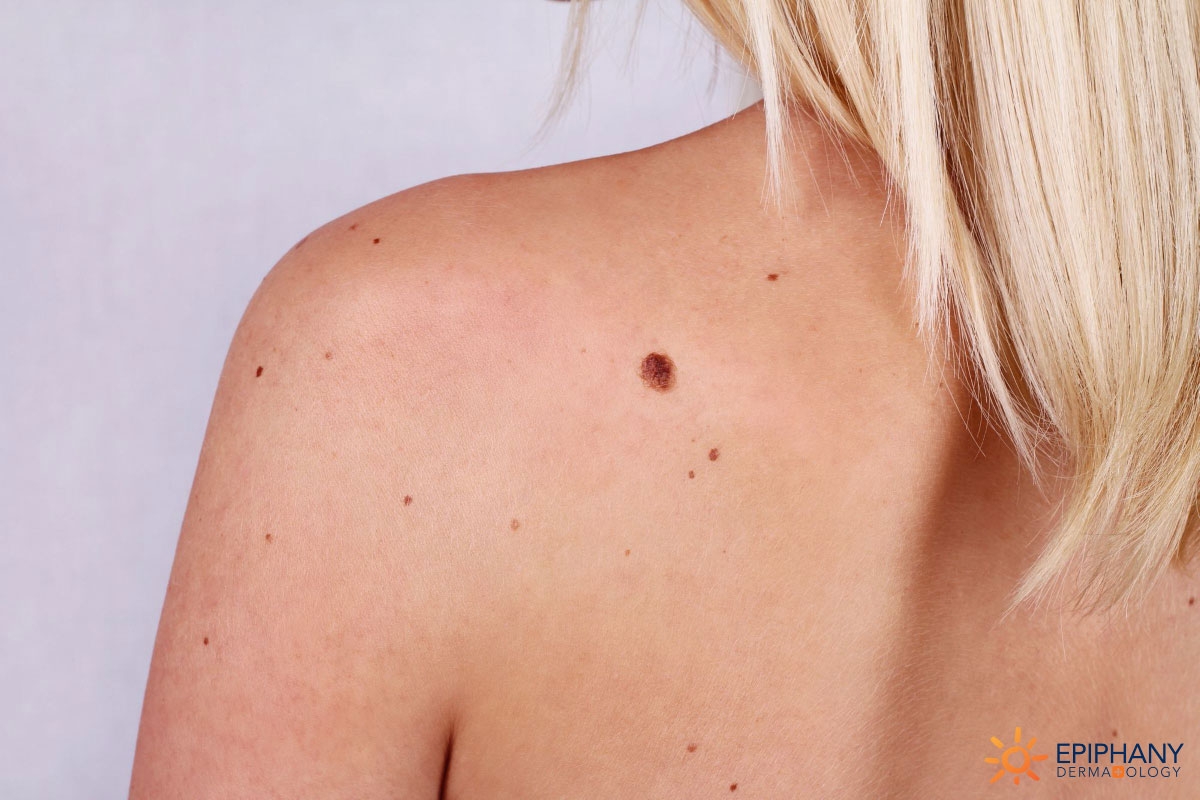
Skin tags are small, soft, flesh-colored growths that commonly appear on areas like the neck, armpits, eyelids, and groin. While they are generally harmless and painless, many people wonder: Are Skin Tags Contagious? Understanding the nature of skin tags, their causes, and whether they can spread from person to person is essential for maintaining proper skin care. In this article, we explore insights from medical experts and provide practical guidance for prevention and treatment.
What Are Skin Tags?
Skin tags, also known as acrochordons, are benign growths of skin that are typically small in size. They can vary in color from flesh-toned to slightly darker than surrounding skin. Most skin tags are painless and do not cause discomfort unless irritated by clothing or jewelry. They are composed of collagen fibers, blood vessels, and skin cells, forming a soft protrusion that hangs off the skin.
Despite being harmless, skin tags often raise cosmetic concerns and curiosity about their potential to spread. People frequently ask, Are Skin Tags Contagious, particularly when noticing multiple growths on different parts of their body.
Common Causes of Skin Tags
Skin tags develop due to friction, hormonal changes, and sometimes genetic predisposition. Areas of the body where skin rubs against skin or clothing are most prone to developing these growths. Key contributing factors include:
-
Friction and rubbing: Skin tags often form in folds or creases where skin surfaces touch.
-
Obesity: Excess weight increases skin friction, raising the likelihood of skin tag formation.
-
Hormonal changes: Pregnancy and certain hormonal disorders can lead to more skin tags.
-
Genetics: A family history of skin tags may increase susceptibility.
-
Aging: They are more common in middle-aged and older adults.
While the exact cause is multifactorial, medical evidence suggests that skin tags are not caused by contagious pathogens. This understanding is crucial for those worrying about transmission from person to person.
Are Skin Tags Contagious? What the Experts Say
The central concern for many is whether skin tags can be transmitted. According to dermatologists, skin tags are not contagious. Unlike warts, which are caused by the human papillomavirus (HPV) and can spread through direct contact, skin tags develop from non-infectious causes such as friction or genetic predisposition.
Medical experts emphasize that while you may notice multiple skin tags appearing over time, they are independent growths and do not spread from one individual to another. Therefore, personal contact, hugging, or sharing towels does not increase the risk of skin tag transmission.
Signs to Watch For
Although skin tags are harmless, it is important to monitor any changes in skin growths to rule out more serious conditions. Key signs that may require medical attention include:
-
Rapid growth or change in color
-
Pain, bleeding, or inflammation
-
Growths with irregular shapes
-
A large number of new skin lesions appearing suddenly
While these symptoms are uncommon in typical skin tags, consulting a dermatologist ensures proper diagnosis and peace of mind.
Prevention Tips and Health and Wellness
Maintaining proper health and wellness practices can help reduce the occurrence of skin tags. Although they are not contagious, minimizing risk factors can prevent new growths. Key prevention tips include:
-
Maintain a healthy weight: Reducing excess skin friction decreases the likelihood of skin tags.
-
Practice good hygiene: Keep skin folds clean and dry to minimize irritation.
-
Wear comfortable clothing: Avoid tight clothing that may rub against skin frequently.
-
Monitor hormonal health: Regular check-ups can help manage conditions that may contribute to skin tag development.
Incorporating these practices into daily routines supports overall skin health and reduces the frequency of skin tag formation.
Treatment Options for Skin Tags
While most skin tags do not require treatment, some people choose removal for cosmetic or comfort reasons. Dermatologists recommend safe, clinical methods rather than home remedies to avoid complications:
-
Cryotherapy: Freezing skin tags with liquid nitrogen.
-
Excision: Cutting off skin tags with sterile surgical tools.
-
Electrocautery: Using electrical currents to burn off the growth.
-
Ligation: Tying off the base of the skin tag to restrict blood flow, causing it to fall off.
Self-removal at home using scissors or other sharp objects is strongly discouraged due to the risk of infection and scarring. Medical supervision ensures safe and effective removal.
Myths and Misconceptions
There are several myths surrounding skin tags, particularly concerning their contagiousness:
-
Myth 1: Skin tags spread like warts: As discussed, warts are viral, but skin tags are not.
-
Myth 2: Sharing personal items spreads skin tags: Towels, clothing, or bedding do not transmit skin tags.
-
Myth 3: Skin tags indicate serious disease: While rare, skin tags can sometimes be associated with insulin resistance or obesity, but they are usually harmless.
Dispelling these myths helps reduce unnecessary anxiety and guides individuals toward proper treatment when needed.
When to See a Dermatologist
Although skin tags are generally harmless, consulting a dermatologist is advisable if you notice:
-
Sudden appearance of multiple skin tags
-
Changes in size, color, or shape
-
Discomfort or bleeding
-
Uncertainty about the nature of the growth
A professional can confirm the diagnosis, provide safe removal options, and address any underlying health concerns. Early consultation is especially important for people with underlying medical conditions such as diabetes or immune system disorders.
Conclusion
To answer the most common concern: Are Skin Tags Contagious? No, skin tags are not contagious. They form due to friction, hormonal changes, aging, and genetic factors rather than infectious pathogens. While they are typically harmless, proper monitoring and occasional removal for cosmetic or comfort reasons are recommended. Incorporating general health and wellness practices, such as maintaining a healthy weight and practicing good hygiene, can help reduce their formation. Understanding the nature of skin tags and consulting medical experts when necessary ensures safe management and peace of mind.
- Questions and Answers
- Opinion
- Motivational and Inspiring Story
- Technology
- Live and Let live
- Focus
- Geopolitics
- Military-Arms/Equipment
- Security
- Economy
- Beasts of Nations
- Machine Tools-The “Mother Industry”
- Art
- Causes
- Crafts
- Dance
- Drinks
- Film/Movie
- Fitness
- Food
- Games
- Gardening
- Health
- Home
- Literature
- Music
- Networking
- Other
- Party
- Religion
- Shopping
- Sports
- Theater
- Health and Wellness
- News
- Culture

 Chinese
 Arabic
 French
 Spanish
 Portuguese
 Deutsch
 Turkish
 Dutch
Dutch
 Italiano
 Russian
 Romaian
 Portuguese (Brazil)
 Greek
Greek