
Why Were Wuhan Whistleblowers Punished — and Could This Suppression Form the Basis for a Global Negligence Case?
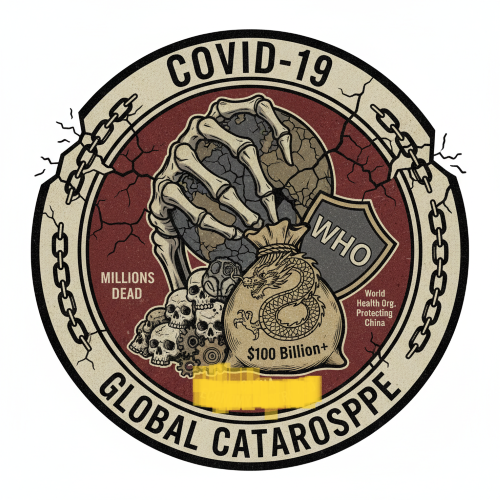
The COVID-19 pandemic, which emerged in Wuhan, China, in late 2019, became the deadliest health crisis in a century, claiming millions of lives and causing trillions in economic damage worldwide.
Early on, a small group of doctors and scientists in Wuhan recognized the threat of a new virus and attempted to alert authorities and the public. Rather than being supported, these whistleblowers were silenced, reprimanded, and in some cases, detained, delaying global awareness and response.
This raises critical questions: why were these whistleblowers punished, and could their suppression form the basis for a global negligence case?
I. Who Were the Wuhan Whistleblowers?
1. Key Figures
-
Dr. Li Wenliang, an ophthalmologist, was one of the most prominent whistleblowers. In late December 2019, he warned colleagues about cases resembling SARS.
-
Several other doctors and laboratory staff in Wuhan attempted to report unusual clusters of pneumonia, sharing information with professional networks, hospitals, and social media.
2. Immediate Response
-
Local authorities accused these individuals of “spreading rumors” and threatened legal action.
-
Dr. Li Wenliang was reprimanded by police and required to sign a confession. Other whistleblowers faced similar punishments, including surveillance and temporary detention.
The official rationale cited fear of public panic, but the practical effect was the suppression of critical early warnings.
II. Consequences of Suppressing Whistleblowers
1. Delay in Public Awareness
-
Punishing whistleblowers delayed public and institutional recognition of human-to-human transmission.
-
Critical time for containment measures in Wuhan and globally was lost, allowing the virus to spread internationally.
2. Global Health Impact
-
WHO and other international health bodies initially relied on official Chinese reports, which were limited and delayed.
-
By the time the severity of the outbreak became clear, millions had already been exposed, leading to a rapid and uncontrolled pandemic.
3. Erosion of Trust
-
Silencing frontline professionals undermined confidence in health systems and public authorities.
-
Whistleblower suppression discouraged other potential informants, both within China and internationally, from speaking out during early crises.
III. Why Whistleblowers Were Punished
1. Political Control
-
China’s governance system prioritizes state control and stability. Information perceived as threatening to social order or national image is often suppressed.
-
Authorities may have feared that early acknowledgment of the virus would cause panic, disrupt the economy, or reflect poorly on local officials.
2. Institutional Culture
-
A hierarchical bureaucracy discouraged independent communication from lower-level doctors and scientists.
-
Whistleblowers were seen as challenging authority, and punishment was a mechanism to enforce compliance.
3. Precedent of Controlling Information
-
Past epidemics in China, such as SARS in 2003, showed similar patterns of delaying disclosure and punishing early reporters.
-
The suppression of information reflects an ongoing tension between public health priorities and political interests.
IV. Legal Principles Related to Whistleblower Suppression
1. Duty of Care and Negligence
-
In international law, states have a duty of care to prevent transboundary harm.
-
Silencing individuals who provide early warnings can be interpreted as negligence, contributing to preventable harm.
2. Human Rights Considerations
-
Whistleblowers have a right to freedom of expression and to report information in the public interest.
-
Punishing them for sharing credible health information may constitute a violation of international human rights standards, including obligations under the Universal Declaration of Human Rights and the International Covenant on Civil and Political Rights.
3. Precedent in Global Negligence
-
While no direct pandemic precedent exists, international cases addressing environmental disasters and industrial accidents have held states responsible when suppression of information or failure to warn caused transboundary harm.
-
For example, the Trail Smelter arbitration and other transboundary environmental cases established that a state has a responsibility to prevent harm to other states and can be held liable for negligence.
V. Could Suppression Form the Basis for a Global Negligence Case?
1. Legal Basis
-
Suppression of Wuhan whistleblowers can be argued to constitute gross negligence, as it delayed global awareness of a deadly virus.
-
A global negligence case would assert that China had a duty to provide accurate, timely information under international law (IHR 2005) and failed to do so.
2. Challenges
-
Causation: Plaintiffs must demonstrate a direct link between whistleblower suppression and global deaths or economic damage. Intervening factors, such as national responses and travel patterns, complicate this.
-
Jurisdiction: International courts, such as the ICJ, require state consent for litigation. China is unlikely to submit voluntarily.
-
Sovereign Immunity: Traditional immunity protects states from lawsuits in foreign courts. Overcoming this requires innovative multilateral mechanisms.
3. Precedent for Collective Action
-
While no pandemic-specific cases exist, countries have successfully brought collective claims for transboundary harm, such as pollution, environmental disasters, and violations of human rights.
-
A coordinated effort by multiple affected countries could strengthen the argument for accountability, even if enforcement remains challenging.
VI. Ethical and Global Health Implications
1. Moral Responsibility
-
Beyond legal frameworks, punishing whistleblowers violated ethical norms, placing political interests above human life.
-
Internationally, this raises the question of whether states should face consequences when their actions—or inactions—contribute to global catastrophe.
2. Incentivizing Transparency
-
Establishing consequences for suppressing critical health information deters future cover-ups.
-
Protecting whistleblowers is essential for early detection, timely reporting, and pandemic preparedness.
3. Strengthening Global Governance
-
Future pandemic treaties could explicitly protect whistleblowers and mandate transparent reporting.
-
Independent verification mechanisms could reduce reliance on a single country’s disclosure, mitigating the risk of negligence.
VII. Lessons for the International Community
-
Whistleblower Protection is Public Health Protection
-
Early warnings save lives. Silencing credible sources has catastrophic consequences.
-
-
Accountability Mechanisms Must Evolve
-
International law should adapt to include provisions for state negligence in suppressing critical information during pandemics.
-
-
Multilateral Cooperation is Essential
-
Global coordination, independent verification, and rapid response depend on open communication and protection of informants.
-
-
Ethical Obligations Complement Legal Norms
-
Even in the absence of enforceable litigation, ethical norms establish global expectations for transparency and duty of care.
-
VIII.
The punishment of Wuhan whistleblowers represents a stark failure of governance and public health ethics. Silencing doctors and scientists delayed awareness of a deadly virus, contributing to millions of deaths and unprecedented global economic damage. Legally, this suppression could form the basis for a global negligence case, citing breaches of international obligations, human rights, and transboundary duty of care.
However, pursuing such a case faces significant challenges:
-
Demonstrating causation amid complex global variables
-
Overcoming sovereign immunity and jurisdictional limitations
-
Navigating geopolitical realities that may deter litigation
Even if direct legal action proves difficult, the suppression of whistleblowers underscores the urgent need for multilateral reforms:
-
Global treaties mandating rapid reporting of emerging pathogens
-
Independent verification mechanisms
-
Protection and support for whistleblowers as essential actors in public health
The COVID-19 pandemic demonstrates that early transparency saves lives, and protecting whistleblowers is not merely a moral imperative—it is a critical component of global health security. Establishing mechanisms that hold states accountable for suppressing information can prevent the next pandemic from escalating into a global catastrophe.
- Questions and Answers
- Opinion
- Motivational and Inspiring Story
- Technology
- Live and Let live
- Focus
- Geopolitics
- Military-Arms/Equipment
- Security
- Economy
- Beasts of Nations
- Machine Tools-The “Mother Industry”
- Art
- Causes
- Crafts
- Dance
- Drinks
- Film/Movie
- Fitness
- Food
- Games
- Gardening
- Health
- Home
- Literature
- Music
- Networking
- Other
- Party
- Religion
- Shopping
- Sports
- Theater
- Health and Wellness
- News
- Culture

 Chinese
 Arabic
 French
 Spanish
 Portuguese
 Deutsch
 Turkish
 Dutch
Dutch
 Italiano
 Russian
 Romaian
 Portuguese (Brazil)
 Greek
Greek