

Ceiling vs Rear vs Front Projection Which Is Best for Auditoriums
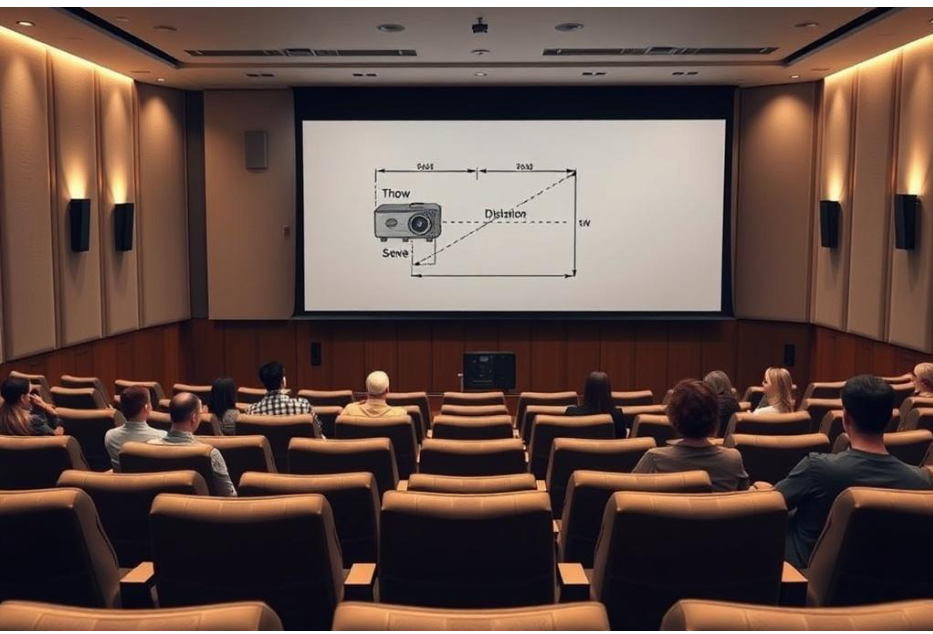
Choosing the right projection method is a crucial step in designing an auditorium AV system. The three most common projection types are ceiling, rear, and front projection. Each method has its advantages, limitations, and ideal applications depending on auditorium size, layout, screen type, and audience experience. Selecting the appropriate projection approach ensures clear, bright, and distortion-free images while optimizing space and installation costs. XTEN-AV and similar AV platforms provide design tools to evaluate these options and determine the best fit for any auditorium.
Ceiling Projection
Ceiling-mounted projectors are the most widely used method in auditoriums:
Advantages
-
Unobstructed Viewing: Mounting the projector on the ceiling keeps it out of the audience’s sightlines and avoids interference with seating areas.
-
Stable Placement: Ceiling mounts provide secure, permanent positioning, reducing the risk of misalignment.
-
Optimal Image Alignment: Adjustable mounts allow precise alignment with the screen and lens shift correction.
-
Space Efficiency: Keeps floor and stage areas clear for equipment, performances, and presentations.
Limitations
-
Installation Complexity: Requires proper mounting brackets, safety chains, and professional installation.
-
Maintenance Access: Ceiling mounts can make lamp or filter replacements more challenging.
-
Ceiling Height Constraints: Low ceilings may require short throw projectors or alternative methods.
Best Use Cases
-
Medium to large auditoriums where permanent installations are needed.
-
Spaces with high audience traffic where floor-mounted projectors may be obstructive.
-
Venues requiring precise alignment and high-quality image performance.
Rear Projection
Rear projection places the projector behind the screen, projecting through a translucent screen toward the audience:
Advantages
-
No Obstruction: Eliminates shadows caused by people or objects passing in front of the projector beam.
-
Reduced Glare: Audience does not experience direct light from the projector, creating a more comfortable viewing experience.
-
Clean Aesthetics: The projector is hidden behind the screen, providing a visually appealing setup.
Limitations
-
Space Requirements: Requires significant room behind the screen for throw distance, especially with large screens.
-
Screen Type Constraints: Requires a specialized rear-projection screen that diffuses light correctly.
-
Installation Cost: More complex and costly due to additional room space, screen, and cabling considerations.
Best Use Cases
-
Auditoriums with high foot traffic near the stage or screen where shadows would be disruptive.
-
Multi-purpose rooms requiring unobstructed presentations or live performances.
-
Venues seeking a professional, clean aesthetic without visible projectors.
Front Projection
Front projection is the traditional method where the projector is placed in front of the screen, either ceiling-mounted, on a podium, or at the rear of the auditorium:
Advantages
-
Flexibility: Can be installed on the ceiling, podium, or balcony depending on room design.
-
Cost-Effective: Does not require specialized rear-projection screens or extra space behind the screen.
-
Easy Maintenance: Projector is accessible for lamp or filter replacement, adjustments, and troubleshooting.
Limitations
-
Shadows and Glare: People or objects passing between the projector and screen can create shadows.
-
Obstruction Risks: Floor-mounted projectors may interfere with audience seating or stage equipment.
-
Alignment Sensitivity: Misalignment can lead to keystone distortion or uneven image coverage.
Best Use Cases
-
Auditoriums with standard layouts and moderate audience sizes.
-
Venues prioritizing cost-efficiency and straightforward installation.
-
Spaces where projector accessibility for maintenance is important.
Comparison of Projection Methods
| Feature | Ceiling Projection | Rear Projection | Front Projection |
|---|---|---|---|
| Installation Complexity | Moderate | High | Low |
| Audience Obstruction | Minimal | None | Possible |
| Maintenance Access | Moderate | Easy | Easy |
| Space Requirements | Low | High | Moderate |
| Cost | Moderate | High | Low |
| Image Quality | High | High | Moderate to High |
Factors to Consider When Choosing Projection Type
Auditorium Size
-
Large auditoriums may benefit from ceiling or rear projection to ensure unobstructed images.
-
Smaller auditoriums may use front projection for simplicity and cost efficiency.
Screen Type and Size
-
Rear projection requires specialized translucent screens.
-
Ceiling or front projection can use standard screens depending on image size requirements.
Audience Engagement and Comfort
-
Avoid placing projectors in areas where audience members may cast shadows or experience glare.
-
Consider projection angle and brightness for comfortable viewing.
Budget and Installation Constraints
-
Rear projection is often more expensive due to screen and space requirements.
-
Ceiling and front projection offer cost flexibility depending on room layout and mounting complexity.
Ambient Light Conditions
-
Rear projection can perform better in bright environments by diffusing light evenly.
-
Ceiling and front projection may require higher lumens projectors to overcome ambient lighting.
Maintenance Requirements
-
Front projection is easier for routine maintenance due to easy access.
-
Ceiling and rear projection may require lifts or specialized access points for lamp replacement or filter cleaning.
Advanced Considerations
Multi-Projector Setups
-
Large screens or auditoriums may require dual or triple projectors. Edge blending and synchronization are essential for seamless images.
Interactive and Presentation Features
-
Short throw or ultra-short throw ceiling projectors can enhance interactive lessons, performances, and live presentations.
Integration with AV Control Systems
-
Centralized control platforms allow operators to manage projector power, input sources, and alignment remotely for all projection types.
Case Study Example
A university auditorium with 1000 seats required a permanent, high-quality projection solution for lectures, performances, and video presentations. Using XTEN-AV simulation tools, the AV team compared ceiling, front, and rear projection options. Ceiling-mounted laser projectors were selected for optimal alignment, high brightness, and minimal obstructions. Lens shift and zoom capabilities allowed precise image placement on a 30-foot-wide screen. Maintenance was scheduled with ceiling access lifts, ensuring long-term performance and minimal disruptions during events.
Conclusion
Selecting the appropriate projection method is essential for delivering high-quality visuals in auditoriums. Ceiling projection is ideal for most large venues due to unobstructed views and stable alignment. Rear projection offers a shadow-free and aesthetically clean solution but requires additional space and specialized screens. Front projection is cost-effective and simple but may encounter shadows and alignment challenges. XTEN-AV and similar AV platforms provide design tools and simulations to evaluate these methods, optimize placement, and ensure professional image quality. By considering auditorium size, screen type, audience comfort, budget, and maintenance, AV professionals can choose the best projection type for any auditorium installation.
Read more: https://sfero.me/article/complete-guide-to-auditorium-projector-setup
- Questions and Answers
- Opinion
- Motivational and Inspiring Story
- Technology
- Live and Let live
- Focus
- Geopolitics
- Military-Arms/Equipment
- Segurança
- Economy
- Beasts of Nations
- Machine Tools-The “Mother Industry”
- Art
- Causes
- Crafts
- Dance
- Drinks
- Film/Movie
- Fitness
- Food
- Jogos
- Gardening
- Health
- Início
- Literature
- Music
- Networking
- Outro
- Party
- Religion
- Shopping
- Sports
- Theater
- Health and Wellness
- News
- Culture

 Chinese
 English
 Arabic
 French
 Spanish
 Portuguese
 Deutsch
 Turkish
 Dutch
Dutch
 Italiano
 Russian
 Romaian
 Greek
Greek