

Safe Sleep for Surgery: How the Prone Position is Protected by Gel Pads
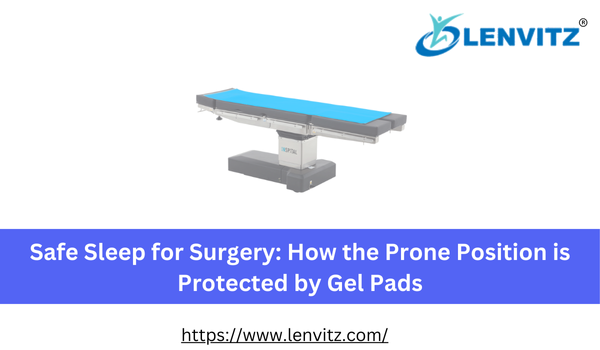
In many critical surgical procedures—particularly those involving the spine, neck, or posterior skull—patients must be placed in the prone position (lying face down) on the operating table. While this position grants surgeons optimal access, it presents unique challenges for patient safety. The entire weight of the patient rests on the front of their body, risking pressure injury to the eyes, chest, and major blood vessels. The solution lies in specialized equipment: the OT table mat, the prone position gel pads, and the indispensable prone head rest. Together, these items form a protective barrier that ensures the patient's safety and well-being throughout the operation.
The Foundation: The OT Table Mat and its Importance
The first layer of defense against position-related injury is the OT table mat. This is the full-surface cushion that covers the hard, metallic operating table.
Why the Base Layer Matters
-
Initial Cushioning: The OT table mat provides a foundational layer of support, cushioning the patient’s body against the rigidity of the table.
-
Temperature Regulation: High-quality mats help maintain the patient’s core body temperature, preventing hypothermia, which is a common risk during long surgeries.
While the mat offers general support, the specific risks of the prone position require targeted, advanced protection provided by gel pads.
Targeted Protection: Mastering the Prone Position
When a patient is face down, four key areas need meticulous protection: the face/airway, the chest, the abdomen, and the limbs. This is where prone position gel pads and the prone head rest become indispensable.
1. Safeguarding the Head and Eyes with the Prone Head Rest
Protecting the head and maintaining a clear airway are the most critical steps in the prone position.
-
The prone head rest is a highly contoured gel or foam support designed to cradle the forehead and chin, leaving a large opening for the eyes, nose, and mouth.
-
Preventing Ocular Injury: This crucial opening ensures that the eyes are free from any pressure, thereby preventing orbital compression and the risk of Post-Operative Visual Loss (POVL), a rare but devastating complication.
-
Airway Access: The design allows the anesthesiologist constant, safe access to the breathing tube and the patient’s face for monitoring.
2. Body Support with Prone Position Gel Pads
Specific prone position gel pads are used strategically under the torso and limbs:
-
Thoracic Supports: These pads are often shaped as rolls or wedges and are placed longitudinally along the sides of the chest. They lift the patient’s body slightly, ensuring the abdomen hangs free. This reduces pressure on major blood vessels and aids in full lung expansion, optimizing breathing.
-
Limb Protection: Additional prone position gel pads are placed under the shins, knees, and ankles to prevent pressure on nerves and to protect the joints from excessive strain.
Connecting Surgical Safety to Everyday Awareness
While the public may never encounter a prone head rest outside a hospital, the principle of pressure relief is universal. Understanding how the combination of the OT table mat and specialized prone position gel pads works in the OR offers powerful insight into the hidden complexities of patient care. It demonstrates a commitment to detail, ensuring that the patient's safety is protected every moment they are immobilized, allowing them to wake up safe, comfortable, and ready to focus entirely on their recovery.
- Questions and Answers
- Opinion
- Motivational and Inspiring Story
- Technology
- Live and Let live
- Focus
- Geopolitics
- Military-Arms/Equipment
- Sécurité
- Economy
- Beasts of Nations
- Machine Tools-The “Mother Industry”
- Art
- Causes
- Crafts
- Dance
- Drinks
- Film/Movie
- Fitness
- Food
- Jeux
- Gardening
- Health
- Domicile
- Literature
- Music
- Networking
- Autre
- Party
- Religion
- Shopping
- Sports
- Theater
- Health and Wellness
- News
- Culture

 Chinese
 English
 Arabic
 Spanish
 Portuguese
 Deutsch
 Turkish
 Dutch
Dutch
 Italiano
 Russian
 Romaian
 Portuguese (Brazil)
 Greek
Greek