

The African family structure is collapsing — can it be rebuilt?
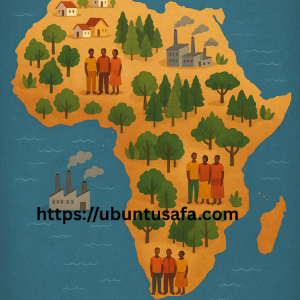
The African Family Structure Is Collapsing — Can It Be Rebuilt?
The family has historically been the cornerstone of African society. Beyond being a unit of biological kinship, it has served as the foundation of social, economic, and cultural life.
Families provided moral guidance, communal support, education, and a framework for intergenerational knowledge transfer. Yet today, across much of the continent, traditional African family structures are under unprecedented strain.
Urbanization, economic pressures, globalization, shifting cultural norms, and political instability are eroding the cohesion, authority, and function of families.
The question is urgent: can the African family be rebuilt, or are we witnessing an irreversible transformation?
The Traditional African Family: A Pillar of Society
Traditionally, African families extended beyond the nuclear unit. They included grandparents, aunts, uncles, cousins, and other community members, all integrated into a system of mutual responsibility. Children were raised collectively, elders were respected for their wisdom, and communal decision-making ensured that resources and moral guidance were shared.
Key features of traditional African family structures included:
-
Intergenerational Cohesion: Elders played critical roles in guiding youth, transmitting cultural knowledge, and mediating disputes.
-
Collective Responsibility: Child-rearing and problem-solving were communal, ensuring no individual faced life’s challenges alone.
-
Social and Economic Safety Nets: Families provided security through shared resources, cooperative labor, and mutual support.
-
Cultural Transmission: Family units preserved language, traditions, values, and identity, sustaining cultural continuity over generations.
This system allowed African societies to maintain resilience in the face of adversity, fostering social cohesion, moral development, and economic stability.
The Factors Behind the Collapse
Multiple interrelated factors are contributing to the weakening of African family structures:
-
Urbanization and Migration: Rapid urban migration has fractured extended families. Young adults often leave rural homes in search of education and employment, separating from the support networks that traditionally guided them. Nuclear families in cities are often isolated, with little extended-family involvement.
-
Economic Pressures: Poverty, unemployment, and underemployment place enormous strain on households. Many families struggle to provide basic needs, forcing both parents to work multiple jobs and reducing time for nurturing relationships. This economic stress can increase domestic conflict and reduce parental involvement.
-
Cultural Globalization: Exposure to Western lifestyles and values has shifted priorities in many African households. Individualism, consumerism, and urban cultural norms sometimes clash with traditional communal values, weakening family cohesion and mutual accountability.
-
Political Instability and Conflict: Civil unrest, displacement, and insecurity disrupt family units. Communities affected by conflict often experience orphaned children, separated families, and intergenerational trauma, undermining the traditional support networks.
-
Social Technology and Media Influence: While technology connects families over distance, social media can also disrupt intergenerational communication, distort cultural values, and encourage superficial interactions rather than deep familial bonds.
-
Gender Dynamics and Changing Roles: Shifts in gender expectations and roles, while empowering in many ways, have sometimes created tension in households lacking a clear framework for shared responsibilities and emotional support.
Consequences of a Collapsing Family Structure
The erosion of family structures has wide-ranging social, economic, and cultural implications:
-
Youth Vulnerability: Children growing up without strong family support are more susceptible to crime, radicalization, substance abuse, and poor educational outcomes.
-
Breakdown of Cultural Transmission: Languages, traditions, and communal practices risk being lost as intergenerational mentorship weakens.
-
Economic Instability: Families have traditionally acted as informal financial safety nets; their collapse leaves individuals more vulnerable to poverty.
-
Social Fragmentation: Communities lose cohesion when families fail to serve as social anchors, leading to increased isolation and mistrust.
-
Mental Health Strains: Individuals raised in fragmented families are more likely to experience anxiety, depression, and identity crises.
Can the African Family Be Rebuilt?
Rebuilding the African family requires intentional effort at multiple levels — personal, communal, and systemic. While the task is challenging, it is not impossible.
-
Reviving Communal Values: Families can reinstate traditions of collective responsibility and mutual accountability. This could include mentoring programs, community-based child-rearing initiatives, and intergenerational dialogues that reinforce shared values.
-
Supporting Economic Stability: Governments and communities can create safety nets that reduce financial pressures on households. Policies promoting employment, social welfare, and family-friendly work environments empower families to focus on nurturing relationships rather than mere survival.
-
Education and Parenting Programs: Introducing education on parenting, family communication, and emotional intelligence can strengthen familial bonds. Schools can also play a role by involving parents in children’s development and reinforcing cultural values.
-
Leveraging Technology Wisely: Technology can be a tool for rebuilding connections, particularly for families separated by migration. Virtual family gatherings, online mentorship programs, and culturally sensitive digital content can help maintain cohesion.
-
Community and Faith-Based Engagement: Churches, mosques, and community organizations have historically reinforced family values. Strengthening their role in mentoring, conflict resolution, and moral education can provide support structures for families.
-
Cultural Reclamation and Adaptation: While African families must adapt to modern realities, reclaiming cultural narratives that emphasize respect, communal responsibility, and intergenerational support provides a framework for rebuilding cohesion without rejecting modernization.
-
Policy and Legal Frameworks: Governments can promote family welfare through legislation that protects children, supports parental leave, enforces family-friendly labor laws, and incentivizes community-based programs that reinforce family structures.
Examples of Hope
Across Africa, several initiatives demonstrate the potential for revitalizing family structures:
-
Community Parenting Programs in Kenya: NGOs have established parenting workshops and mentorship programs that help parents navigate modern challenges while reinforcing traditional values.
-
Extended Family Support Systems in Nigeria: In some urban neighborhoods, cooperative childcare and family resource networks are emerging to offset urbanization’s isolating effects.
-
Cultural Festivals in Ghana and Senegal: Intergenerational participation in festivals reinforces communal values, cultural education, and family bonding.
These examples suggest that even in rapidly modernizing societies, African families can adapt and rebuild by combining tradition with practical modern strategies.
+++++++++++++++++++++++++++++++
The collapse of the African family structure is a pressing social concern with profound implications for culture, social cohesion, and economic stability. Urbanization, economic pressure, political instability, and cultural change have weakened extended-family networks, strained parent-child relationships, and disrupted communal support systems.
Yet rebuilding is possible. It requires a deliberate focus on restoring communal values, supporting economic stability, promoting education and emotional literacy, and leveraging both technology and cultural institutions wisely. Families must adapt, but adaptation need not mean the abandonment of core African principles.
Rebuilding African families is more than a social goal — it is a foundation for national development, intergenerational continuity, and societal resilience. Strong families create stable communities, equip children with values and skills, and provide the moral and emotional framework essential for thriving nations. Africa’s future depends on its ability to strengthen and sustain the family unit, blending tradition and modernity in a way that honors heritage while meeting contemporary challenges.
- Questions and Answers
- Opinion
- Motivational and Inspiring Story
- Technology
- Live and Let live
- Focus
- Geopolitics
- Military-Arms/Equipment
- Security
- Economy
- Beasts of Nations
- Machine Tools-The “Mother Industry”
- Art
- Causes
- Crafts
- Dance
- Drinks
- Film/Movie
- Fitness
- Food
- Games
- Gardening
- Health
- Home
- Literature
- Music
- Networking
- Other
- Party
- Religion
- Shopping
- Sports
- Theater
- Health and Wellness
- News
- Culture

 Chinese
 Arabic
 French
 Spanish
 Portuguese
 Deutsch
 Turkish
 Dutch
Dutch
 Italiano
 Russian
 Romaian
 Portuguese (Brazil)
 Greek
Greek