

How Airport Lighting is Evolving to Meet Global Aviation Safety Standards
Airport lighting plays a pivotal role in ensuring the safety and operational efficiency of airports worldwide. With the continuous growth in global air traffic and advancements in aviation technologies, the evolution of airport lighting systems has become essential to meet the ever-evolving safety standards set by global aviation authorities. These standards, particularly those outlined by the International Civil Aviation Organization (ICAO), aim to enhance safety, visibility, and overall operational efficiency at airports. As airports expand and modernize, lighting systems are evolving to meet these demands.
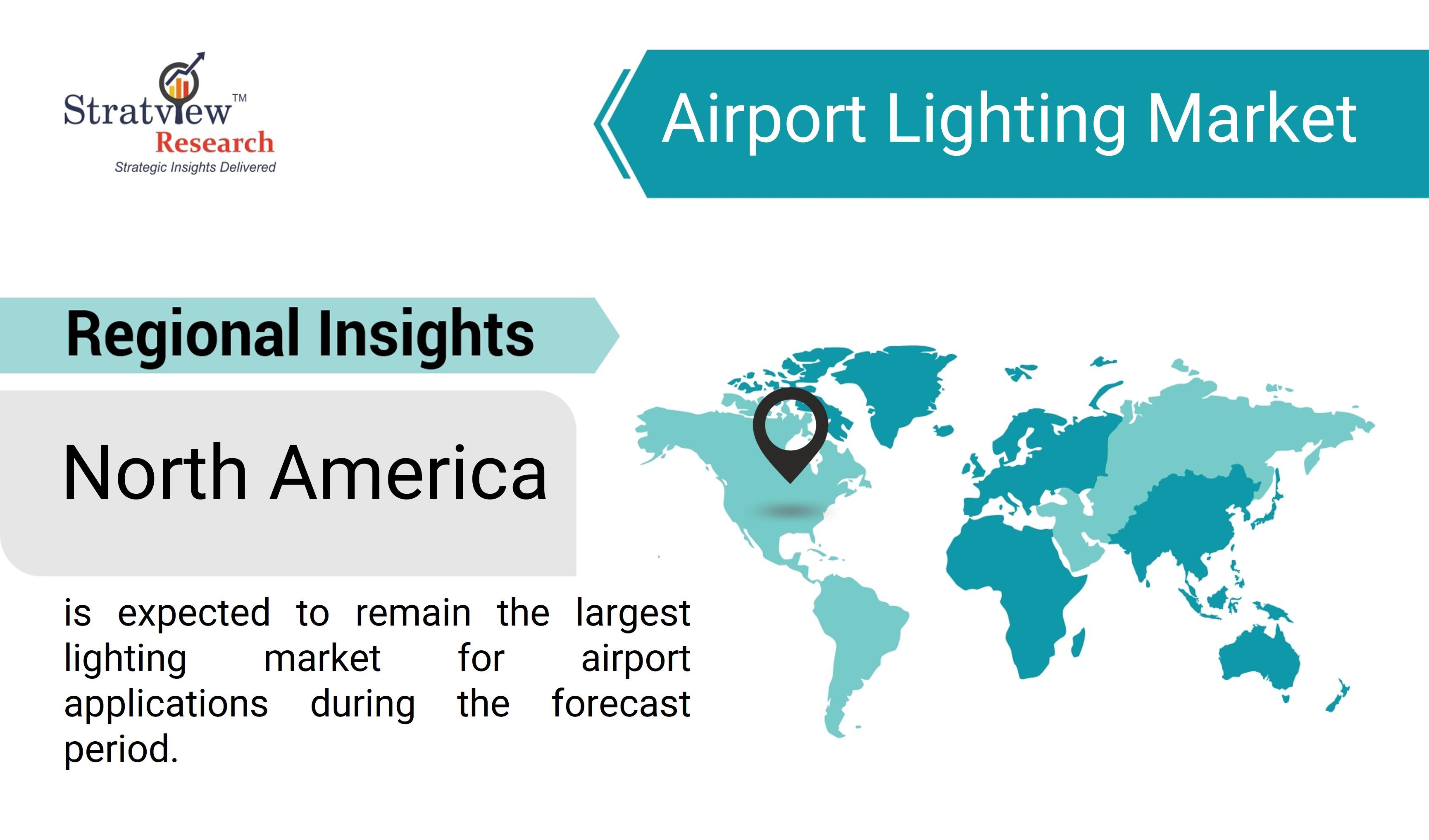
According to Stratview Research, the airport lighting market was estimated at USD 555.71 million in 2022 and is likely to grow at a CAGR of 7.3% during 2023-2028 to reach USD 852.45 million in 2028.
1. Meeting ICAO Standards
The International Civil Aviation Organization (ICAO) sets comprehensive guidelines for airport lighting, ensuring that airports maintain safe, efficient, and consistent lighting systems across the globe. These guidelines dictate the installation of lighting systems for runways, taxiways, apron areas, and terminals, and they include specific requirements for light intensity, placement, and color coding. For example, runway edge lights must provide clear visual guidance to pilots, especially during low-visibility conditions, while approach lighting systems must help pilots safely align with the runway during landing.
To comply with ICAO’s regulations, airports are investing heavily in upgrading their lighting systems. The goal is to provide clearer visibility for pilots, ground crews, and passengers, thus minimizing the risk of accidents, collisions, or navigational errors.
2. Advanced Technologies for Enhanced Visibility
The latest advancements in lighting technology are central to meeting global aviation safety standards. LED lighting has become a game changer for airport lighting systems due to its energy efficiency, longevity, and ability to deliver precise light output. LEDs are now commonly used in runway edge and centerline lights, taxiway markings, and apron lighting.
LEDs not only improve visibility but also help reduce operational costs. They can be customized to suit specific environmental conditions, enhancing performance in adverse weather like fog, rain, or snow. Smart lighting technologies, which allow for real-time monitoring and automated adjustments based on weather, time of day, or air traffic, are also becoming more prevalent in modern airports.
3. Automation and Integration
One of the most significant evolutions in airport lighting is the integration of automated control systems. These systems allow lighting to be dynamically adjusted based on external factors such as weather conditions, time of day, or the level of air traffic. For instance, lighting intensity can be adjusted automatically in response to reduced visibility or to ensure minimal disruption to flight operations during nighttime hours. Additionally, integrated lighting solutions can be synced with other airport systems, such as air traffic control and safety protocols, to create a seamless operation.
4. Sustainability Considerations
Sustainability is becoming an increasing priority in the aviation sector, and airport lighting is no exception. As airports aim to reduce their carbon footprint, they are opting for energy-efficient lighting systems. LED lights, along with solar-powered lighting solutions, are being deployed to reduce energy consumption while maintaining high safety standards.
Conclusion
Airport lighting is evolving rapidly to meet global aviation safety standards. With advancements in LED technology, automation, and integration with other airport systems, modern lighting solutions are significantly improving safety, operational efficiency, and sustainability. As air traffic continues to grow, airports will continue to prioritize the development of lighting systems that ensure the safety of both aircraft and passengers, keeping pace with the evolving demands of the aviation industry.
- Questions and Answers
- Opinion
- Motivational and Inspiring Story
- Technology
- Live and Let live
- Focus
- Geopolitics
- Military-Arms/Equipment
- Security
- Economy
- Beasts of Nations
- Machine Tools-The “Mother Industry”
- Art
- Causes
- Crafts
- Dance
- Drinks
- Film/Movie
- Fitness
- Food
- Games
- Gardening
- Health
- Home
- Literature
- Music
- Networking
- Other
- Party
- Religion
- Shopping
- Sports
- Theater
- Health and Wellness
- News
- Culture

 Chinese
 Arabic
 French
 Spanish
 Portuguese
 Deutsch
 Turkish
 Dutch
Dutch
 Italiano
 Russian
 Romaian
 Portuguese (Brazil)
 Greek
Greek