• Contract Research Organization Market Analysis and Forecast by Size, Share, Growth, Trends 2031

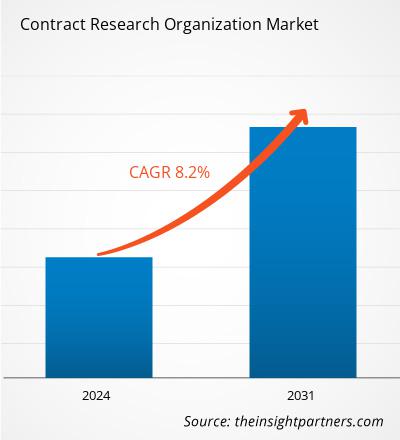
    The global contract research organization (cro) market is experiencing significant growth momentum as pharmaceutical and biotechnology companies increasingly leverage external partners for research and development assistance. This not only increases efficiency but also offers access to technical expertise that is in short supply and increasing specialized expertise, which aid in managing the changing market landscape.

    Read More: - https://www.theinsightpartners.com/reports/contract-research-organization-cro-market
    Contract Research Organization Market Analysis and Forecast by Size, Share, Growth, Trends 2031 The global contract research organization (cro) market is experiencing significant growth momentum as pharmaceutical and biotechnology companies increasingly leverage external partners for research and development assistance. This not only increases efficiency but also offers access to technical expertise that is in short supply and increasing specialized expertise, which aid in managing the changing market landscape. Read More: - https://www.theinsightpartners.com/reports/contract-research-organization-cro-market
    WWW.THEINSIGHTPARTNERS.COM
    Contract Research Organization Market Growth, Share by 2031
    Contract research organization market is predicted to cross US$ 113.79 billion by 2031. The report includes a regional overview and developments.
    0 Comentários 0 Compartilhamentos 1K Visualizações 0 Anterior
  • "Now I know that the pursuit of technological supremacy, whether in AI, quantum computing, or biotechnology, is a core element of future global power dynamics."
    "Now I know that the pursuit of technological supremacy, whether in AI, quantum computing, or biotechnology, is a core element of future global power dynamics."
    0 Comentários 0 Compartilhamentos 933 Visualizações 0 Anterior
  • What industries besides oil and gas could help diversify Nigeria’s economy?
    Nigeria possesses immense potential in various sectors beyond oil and gas that could drive significant economic diversification and sustainable growth. Here are some of the most promising industries:

    Agriculture and Agro-processing:
    Vast Arable Land: Nigeria has extensive arable land, much of which is underutilized. It was once a major global producer of cash crops like cocoa, palm oil, groundnuts, and rubber.

    Food Security and Export Potential: Investing in agriculture can address food insecurity and provide significant export earnings. Focus areas include staple crops (rice, maize, cassava, wheat), cash crops (cocoa, cashew, sesame, ginger), and livestock/aquaculture.

    Value Addition: Moving beyond raw commodity export to agro-processing (e.g., transforming cassava into starch/ethanol, cocoa into chocolate products, palm oil into various derivatives) creates more jobs, increases revenue, and reduces post-harvest losses.

    Technology and Modernization: Adopting modern farming techniques, irrigation, biotechnology, and precision agriculture can boost productivity.

    Public-Private Partnerships: Attracting private investment through incentives and improving rural infrastructure (roads, storage) are crucial.

    Manufacturing:
    Large Domestic Market: Nigeria's huge population provides a massive domestic market for manufactured goods, reducing reliance on imports.

    Backward Integration: Encouraging local sourcing of raw materials for manufacturing can stimulate other sectors (like agriculture and solid minerals).

    Specific Sub-sectors: Opportunities exist in light manufacturing (textiles, garments, footwear), food and beverage processing, pharmaceuticals, construction materials (cement, steel), and potentially automotive assembly.

    Challenges: This sector faces significant hurdles like unreliable power supply, high cost of finance, import dependency for raw materials, and competition from cheap imports. Addressing these through targeted policies, special economic zones, and infrastructure development is key.

    Solid Minerals:
    Abundant Untapped Resources: Nigeria is rich in various solid minerals, including gold, coal, iron ore, limestone, lead, zinc, bitumen, and critical minerals like lithium (increasingly important for global energy transition).

    Revenue and Jobs: Proper exploration, extraction, and processing can generate substantial government revenue and create jobs, particularly in rural areas.

    Value Addition: Like oil, exporting raw minerals offers limited value. Establishing processing plants to refine minerals into higher-value products (e.g., iron ore to steel, bauxite to aluminum) would maximize benefits.


    Challenges: The sector is plagued by illegal mining, lack of comprehensive geological data, inadequate infrastructure, and limited regulatory oversight. Recent government efforts to formalize artisanal mining and attract investment show promise.

    Information and Communication Technology (ICT) / Digital Economy:
    Young, Tech-Savvy Population: Nigeria has a large, vibrant, and increasingly tech-savvy youth population, driving innovation.

    Growth of Tech Hubs: Cities like Lagos are emerging as significant tech hubs, attracting venture capital.

    Areas of Opportunity: Software development, fintech (mobile payments, digital banking), e-commerce, digital content creation (Nollywood, music), animation, and IT services are all areas with strong growth potential.

    Digital Inclusion: Expanding internet penetration and digital literacy can further unlock this sector's potential for inclusive growth.

    Creative Industry (Nollywood, Music, Fashion, Arts):
    Global Recognition: Nigeria's creative industry, particularly Nollywood (the film industry) and its music scene (Afro-beats), has gained significant international acclaim and generated substantial revenue.

    Job Creation: This sector is a major employer of youth, spanning actors, producers, musicians, designers, technicians, and marketing professionals.

    Export Potential: Nigerian creative content and fashion are increasingly exported, showcasing cultural soft power and earning foreign exchange.

    Investment Needs: Support for intellectual property protection, access to finance for productions, and infrastructure for studios and performance venues can boost growth.

    Tourism and Hospitality:
    Diverse Attractions: Nigeria boasts a rich cultural heritage, diverse landscapes (beaches, mountains, wildlife reserves), historical sites, and vibrant festivals.

    Job Creation: Tourism can create numerous jobs, from tour guides and hotel staff to artisans and transport providers.

    Domestic and International Tourism: While international tourism has potential, developing domestic tourism can also be a significant revenue generator.

    Challenges: Insecurity in certain regions, inadequate infrastructure (transport, accommodation), poor marketing, and insufficient investment are major hindrances. Addressing these is crucial to unlocking its potential.

    Renewable Energy:
    Energy Deficit: Nigeria faces a significant power deficit, making renewable energy (solar, wind, hydropower, biomass) crucial for sustainable development.

    Abundant Resources: The country has abundant solar radiation, potential for wind energy, and biomass.

    Investment and Job Creation: Investing in renewable energy infrastructure can provide stable power, reduce reliance on fossil fuels, and create jobs in installation, maintenance, and manufacturing of components.

    Decentralized Solutions: Off-grid solutions and mini-grids can particularly benefit rural areas and small businesses.

    To successfully diversify, Nigeria needs to implement consistent policies, improve infrastructure, address insecurity, strengthen institutions to combat corruption, and create an enabling business environment that attracts both domestic and foreign investment in these critical non-oil sectors.
    What industries besides oil and gas could help diversify Nigeria’s economy? Nigeria possesses immense potential in various sectors beyond oil and gas that could drive significant economic diversification and sustainable growth. Here are some of the most promising industries: Agriculture and Agro-processing: Vast Arable Land: Nigeria has extensive arable land, much of which is underutilized. It was once a major global producer of cash crops like cocoa, palm oil, groundnuts, and rubber. Food Security and Export Potential: Investing in agriculture can address food insecurity and provide significant export earnings. Focus areas include staple crops (rice, maize, cassava, wheat), cash crops (cocoa, cashew, sesame, ginger), and livestock/aquaculture. Value Addition: Moving beyond raw commodity export to agro-processing (e.g., transforming cassava into starch/ethanol, cocoa into chocolate products, palm oil into various derivatives) creates more jobs, increases revenue, and reduces post-harvest losses. Technology and Modernization: Adopting modern farming techniques, irrigation, biotechnology, and precision agriculture can boost productivity. Public-Private Partnerships: Attracting private investment through incentives and improving rural infrastructure (roads, storage) are crucial. Manufacturing: Large Domestic Market: Nigeria's huge population provides a massive domestic market for manufactured goods, reducing reliance on imports. Backward Integration: Encouraging local sourcing of raw materials for manufacturing can stimulate other sectors (like agriculture and solid minerals). Specific Sub-sectors: Opportunities exist in light manufacturing (textiles, garments, footwear), food and beverage processing, pharmaceuticals, construction materials (cement, steel), and potentially automotive assembly. Challenges: This sector faces significant hurdles like unreliable power supply, high cost of finance, import dependency for raw materials, and competition from cheap imports. Addressing these through targeted policies, special economic zones, and infrastructure development is key. Solid Minerals: Abundant Untapped Resources: Nigeria is rich in various solid minerals, including gold, coal, iron ore, limestone, lead, zinc, bitumen, and critical minerals like lithium (increasingly important for global energy transition). Revenue and Jobs: Proper exploration, extraction, and processing can generate substantial government revenue and create jobs, particularly in rural areas. Value Addition: Like oil, exporting raw minerals offers limited value. Establishing processing plants to refine minerals into higher-value products (e.g., iron ore to steel, bauxite to aluminum) would maximize benefits. Challenges: The sector is plagued by illegal mining, lack of comprehensive geological data, inadequate infrastructure, and limited regulatory oversight. Recent government efforts to formalize artisanal mining and attract investment show promise. Information and Communication Technology (ICT) / Digital Economy: Young, Tech-Savvy Population: Nigeria has a large, vibrant, and increasingly tech-savvy youth population, driving innovation. Growth of Tech Hubs: Cities like Lagos are emerging as significant tech hubs, attracting venture capital. Areas of Opportunity: Software development, fintech (mobile payments, digital banking), e-commerce, digital content creation (Nollywood, music), animation, and IT services are all areas with strong growth potential. Digital Inclusion: Expanding internet penetration and digital literacy can further unlock this sector's potential for inclusive growth. Creative Industry (Nollywood, Music, Fashion, Arts): Global Recognition: Nigeria's creative industry, particularly Nollywood (the film industry) and its music scene (Afro-beats), has gained significant international acclaim and generated substantial revenue. Job Creation: This sector is a major employer of youth, spanning actors, producers, musicians, designers, technicians, and marketing professionals. Export Potential: Nigerian creative content and fashion are increasingly exported, showcasing cultural soft power and earning foreign exchange. Investment Needs: Support for intellectual property protection, access to finance for productions, and infrastructure for studios and performance venues can boost growth. Tourism and Hospitality: Diverse Attractions: Nigeria boasts a rich cultural heritage, diverse landscapes (beaches, mountains, wildlife reserves), historical sites, and vibrant festivals. Job Creation: Tourism can create numerous jobs, from tour guides and hotel staff to artisans and transport providers. Domestic and International Tourism: While international tourism has potential, developing domestic tourism can also be a significant revenue generator. Challenges: Insecurity in certain regions, inadequate infrastructure (transport, accommodation), poor marketing, and insufficient investment are major hindrances. Addressing these is crucial to unlocking its potential. Renewable Energy: Energy Deficit: Nigeria faces a significant power deficit, making renewable energy (solar, wind, hydropower, biomass) crucial for sustainable development. Abundant Resources: The country has abundant solar radiation, potential for wind energy, and biomass. Investment and Job Creation: Investing in renewable energy infrastructure can provide stable power, reduce reliance on fossil fuels, and create jobs in installation, maintenance, and manufacturing of components. Decentralized Solutions: Off-grid solutions and mini-grids can particularly benefit rural areas and small businesses. To successfully diversify, Nigeria needs to implement consistent policies, improve infrastructure, address insecurity, strengthen institutions to combat corruption, and create an enabling business environment that attracts both domestic and foreign investment in these critical non-oil sectors.
    0 Comentários 0 Compartilhamentos 7K Visualizações 0 Anterior
  • https://www.siecindia.com/blogs/popular-courses-to-study-in-singapore

    #PopularCoursesInSingapore #BestCoursesInSingapore #TopCoursesSingapore #StudyBusinessSingapore #EngineeringCoursesSingapore #ITCoursesSingapore #HospitalityCoursesSingapore #DesignCoursesSingapore #DataScienceSingapore #MBASingapore #FinanceCoursesSingapore #BiotechnologySingapore #HealthcareCoursesSingapore #TourismCoursesSingapore #LawCoursesSingapore #AccountingCoursesSingapore #MarketingCoursesSingapore #AnimationCoursesSingapore #SupplyChainSingapore #PsychologyCoursesSingapore
    https://www.siecindia.com/blogs/popular-courses-to-study-in-singapore #PopularCoursesInSingapore #BestCoursesInSingapore #TopCoursesSingapore #StudyBusinessSingapore #EngineeringCoursesSingapore #ITCoursesSingapore #HospitalityCoursesSingapore #DesignCoursesSingapore #DataScienceSingapore #MBASingapore #FinanceCoursesSingapore #BiotechnologySingapore #HealthcareCoursesSingapore #TourismCoursesSingapore #LawCoursesSingapore #AccountingCoursesSingapore #MarketingCoursesSingapore #AnimationCoursesSingapore #SupplyChainSingapore #PsychologyCoursesSingapore
    WWW.SIECINDIA.COM
    Popular courses to study in Singapore | Best Universities 2025
    If you are planning to study in Singapore, then explore Popular courses to study in Singapore, best courses offered by universities in Singapore. Contact SIEC Today.
    0 Comentários 0 Compartilhamentos 6K Visualizações 0 Anterior
  • The Dragon and The Elephant: China Vs India (Part 2)
    Why China Surpassed India in Technology and Industrial Output.

    Catching up with China is a formidable challenge that requires unwavering political will, broad societal consensus, and consistent execution of well-thought-out strategies over many years. While the path is arduous, a focused and determined India can significantly accelerate its journey towards becoming a global leader in technology, science, and industry.

    For India to bridge the gap with China in technology, science, and industrial output, a multifaceted and sustained national effort is required. This involves strategic interventions across research and development, manufacturing, human capital, infrastructure, and governance. Here’s a deeper insight into what India needs to do:

    1. Turbocharge Research & Development (R&D) and Foster a Robust Innovation Ecosystem:

    Dramatically Increase R&D Investment: India's current R&D spending (around 0.7% of GDP) pales in comparison to China's (over 2.5%). A national mission to elevate this to at least 2-3% of GDP within the next decade is crucial. This requires increased public funding and significant incentives for private sector R&D.

    Strengthen Industry-Academia Collaboration: Create seamless pathways for joint research projects, knowledge transfer, and commercialization of academic innovations. Establish dedicated innovation hubs, research parks, and technology incubators with active industry participation.

    Revamp the Patent Regime: Streamline the patent filing and grant process to make it faster, more efficient, and aligned with global best practices. Strengthen intellectual property rights (IPR) protection to encourage innovation.

    Promote Mission-Oriented Research: Identify and fund national missions in critical and emerging areas like artificial intelligence (AI), quantum computing, advanced materials, green hydrogen, and biotechnology, similar to China’s strategic focus areas.

    Attract and Retain Top Talent: Implement policies to attract global scientific talent (including Indian diaspora) and create conducive environments to retain and nurture domestic researchers.

    2. Transform into a Global Manufacturing Powerhouse:
    Enhance Manufacturing Competitiveness:-
    Scale and Efficiency: Encourage the creation of large-scale manufacturing units capable of competing globally on cost and quality.

    Supply Chain Resilience: Develop robust domestic supply chains for critical components and raw materials to reduce import dependency, learning from China’s integrated approach.

    Technology Adoption: Promote the adoption of Industry 4.0 technologies (AI, IoT, robotics, automation) in manufacturing processes.

    Strategic Industrial Policy:-
    Targeted Support: Continue and refine Production Linked Incentive (PLI) schemes for strategic sectors, ensuring clear goals and accountability.

    Ease of Doing Business: Persistently work on simplifying regulations, reducing bureaucratic hurdles, and ensuring policy stability at both central and state levels. This includes faster approvals, easier land acquisition, and streamlined labor laws.

    Focus on High-Value Manufacturing: Shift focus from low-value assembly to high-value-added manufacturing, including design, engineering, and R&D-intensive production.

    3. Revolutionize Education and Skill Development:-
    Overhaul Technical and Vocational Education:

    Modernize Curricula: Align engineering, polytechnic, and vocational training curricula with current and future industry demands, emphasizing practical skills, problem-solving, and emerging technologies.

    Mass Skilling and Upskilling: Launch large-scale initiatives to skill, reskill, and upskill the workforce for advanced manufacturing, digital technologies, and R&D roles.

    Strengthen Apprenticeships: Expand and strengthen apprenticeship programs with active industry involvement.

    Improve Quality of Higher Education:
    Invest in STEM Excellence: Significantly increase investment in science, technology, engineering, and mathematics (STEM) education at all levels.

    Faculty Development: Implement rigorous training and development programs for faculty in higher education and technical institutions.

    Attract Foreign Universities and Foster Competition: Encourage top global universities to set up campuses in India to enhance quality and provide global exposure, as envisioned in the National Education Policy (NEP) 2020.

    4. Build World-Class, Future-Ready Infrastructure:
    Logistics and Connectivity: Continue the aggressive push for modernizing and expanding infrastructure, including highways (Bharatmala), railways (Dedicated Freight Corridors), ports (Sagarmala), and airports. Focus on multi-modal connectivity and reducing logistics costs and turnaround times, which are critical for manufacturing competitiveness.

    Reliable Power Supply: Ensure uninterrupted, high-quality power at competitive rates for industries.

    Digital Infrastructure: Strengthen and expand high-speed internet connectivity and data centers to support a digitally-driven economy and advanced technological applications.

    Industrial Parks and Clusters: Develop well-equipped industrial parks and sector-specific clusters with plug-and-play infrastructure to attract investment.

    5. Ensure Agile and Enabling Governance:
    Bureaucratic and Regulatory Reforms:
    Speed and Transparency: Implement deep administrative reforms to make bureaucracy more agile, responsive, and transparent. Reduce red tape through single-window clearance systems and extensive use of technology.

    Policy Stability and Predictability: Ensure long-term policy stability and predictability to build investor confidence.

    Effective Centre-State Coordination: Foster greater synergy between central and state governments in policy formulation and implementation related to industrial development, infrastructure, and skill development.

    Strengthen Legal and Judicial Processes: Ensure faster contract enforcement and dispute resolution mechanisms.

    6. Strategically Attract and Nurture Investment:
    Targeted FDI in High-Tech Areas: Proactively seek foreign direct investment in high-technology sectors, R&D, and advanced manufacturing, offering competitive incentives and a stable policy environment.

    Boost Domestic Investment: Encourage domestic companies to invest more in capacity building, technology upgradation, and innovation.

    Develop a Robust Capital Market: Further develop capital markets to provide risk capital and long-term financing for technology ventures and industrial projects.

    7. Focus on Emerging Technologies and Self-Reliance:
    National Strategy for Key Technologies: Develop and implement comprehensive national strategies for emerging technologies like AI, machine learning, semiconductors (e.g., India Semiconductor Mission), 5G/6G, biotechnology, and renewable energy.

    Promote Indigenous Development: While collaborating globally, prioritize indigenous development of critical technologies to enhance self-reliance (Atmanirbhar Bharat) and reduce strategic vulnerabilities.
    Learning from China (Both Successes and Mistakes):

    Emulate Strategic Focus and Execution: Learn from China's ability to set long-term strategic goals and execute them with speed and scale, particularly in infrastructure and targeted industrial development.

    Invest in Human Capital: Replicate China's success in mass education and skilling relevant to industrial needs.

    Avoid Pitfalls: Be cautious of issues like over-reliance on state-led investment leading to potential misallocation, debt overhang, environmental degradation if not managed sustainably, and intellectual property theft concerns that have been associated with China's rise. India's democratic framework, while sometimes slower, can provide checks and balances for more sustainable and equitable growth if harnessed effectively.

    Catching up with China is a monumental task that requires a generational commitment to reform, investment, and execution. It necessitates a "whole-of-nation" approach, involving government, industry, academia, and civil society working in concert towards clearly defined national goals.

    By Jo Ikeji-Uju
    https://afriprime.net/pages/Anything

    The Dragon and The Elephant: China Vs India (Part 2) Why China Surpassed India in Technology and Industrial Output. Catching up with China is a formidable challenge that requires unwavering political will, broad societal consensus, and consistent execution of well-thought-out strategies over many years. While the path is arduous, a focused and determined India can significantly accelerate its journey towards becoming a global leader in technology, science, and industry. For India to bridge the gap with China in technology, science, and industrial output, a multifaceted and sustained national effort is required. This involves strategic interventions across research and development, manufacturing, human capital, infrastructure, and governance. Here’s a deeper insight into what India needs to do: 1. Turbocharge Research & Development (R&D) and Foster a Robust Innovation Ecosystem: Dramatically Increase R&D Investment: India's current R&D spending (around 0.7% of GDP) pales in comparison to China's (over 2.5%). A national mission to elevate this to at least 2-3% of GDP within the next decade is crucial. This requires increased public funding and significant incentives for private sector R&D. Strengthen Industry-Academia Collaboration: Create seamless pathways for joint research projects, knowledge transfer, and commercialization of academic innovations. Establish dedicated innovation hubs, research parks, and technology incubators with active industry participation. Revamp the Patent Regime: Streamline the patent filing and grant process to make it faster, more efficient, and aligned with global best practices. Strengthen intellectual property rights (IPR) protection to encourage innovation. Promote Mission-Oriented Research: Identify and fund national missions in critical and emerging areas like artificial intelligence (AI), quantum computing, advanced materials, green hydrogen, and biotechnology, similar to China’s strategic focus areas. Attract and Retain Top Talent: Implement policies to attract global scientific talent (including Indian diaspora) and create conducive environments to retain and nurture domestic researchers. 2. Transform into a Global Manufacturing Powerhouse: Enhance Manufacturing Competitiveness:- Scale and Efficiency: Encourage the creation of large-scale manufacturing units capable of competing globally on cost and quality. Supply Chain Resilience: Develop robust domestic supply chains for critical components and raw materials to reduce import dependency, learning from China’s integrated approach. Technology Adoption: Promote the adoption of Industry 4.0 technologies (AI, IoT, robotics, automation) in manufacturing processes. Strategic Industrial Policy:- Targeted Support: Continue and refine Production Linked Incentive (PLI) schemes for strategic sectors, ensuring clear goals and accountability. Ease of Doing Business: Persistently work on simplifying regulations, reducing bureaucratic hurdles, and ensuring policy stability at both central and state levels. This includes faster approvals, easier land acquisition, and streamlined labor laws. Focus on High-Value Manufacturing: Shift focus from low-value assembly to high-value-added manufacturing, including design, engineering, and R&D-intensive production. 3. Revolutionize Education and Skill Development:- Overhaul Technical and Vocational Education: Modernize Curricula: Align engineering, polytechnic, and vocational training curricula with current and future industry demands, emphasizing practical skills, problem-solving, and emerging technologies. Mass Skilling and Upskilling: Launch large-scale initiatives to skill, reskill, and upskill the workforce for advanced manufacturing, digital technologies, and R&D roles. Strengthen Apprenticeships: Expand and strengthen apprenticeship programs with active industry involvement. Improve Quality of Higher Education: Invest in STEM Excellence: Significantly increase investment in science, technology, engineering, and mathematics (STEM) education at all levels. Faculty Development: Implement rigorous training and development programs for faculty in higher education and technical institutions. Attract Foreign Universities and Foster Competition: Encourage top global universities to set up campuses in India to enhance quality and provide global exposure, as envisioned in the National Education Policy (NEP) 2020. 4. Build World-Class, Future-Ready Infrastructure: Logistics and Connectivity: Continue the aggressive push for modernizing and expanding infrastructure, including highways (Bharatmala), railways (Dedicated Freight Corridors), ports (Sagarmala), and airports. Focus on multi-modal connectivity and reducing logistics costs and turnaround times, which are critical for manufacturing competitiveness. Reliable Power Supply: Ensure uninterrupted, high-quality power at competitive rates for industries. Digital Infrastructure: Strengthen and expand high-speed internet connectivity and data centers to support a digitally-driven economy and advanced technological applications. Industrial Parks and Clusters: Develop well-equipped industrial parks and sector-specific clusters with plug-and-play infrastructure to attract investment. 5. Ensure Agile and Enabling Governance: Bureaucratic and Regulatory Reforms: Speed and Transparency: Implement deep administrative reforms to make bureaucracy more agile, responsive, and transparent. Reduce red tape through single-window clearance systems and extensive use of technology. Policy Stability and Predictability: Ensure long-term policy stability and predictability to build investor confidence. Effective Centre-State Coordination: Foster greater synergy between central and state governments in policy formulation and implementation related to industrial development, infrastructure, and skill development. Strengthen Legal and Judicial Processes: Ensure faster contract enforcement and dispute resolution mechanisms. 6. Strategically Attract and Nurture Investment: Targeted FDI in High-Tech Areas: Proactively seek foreign direct investment in high-technology sectors, R&D, and advanced manufacturing, offering competitive incentives and a stable policy environment. Boost Domestic Investment: Encourage domestic companies to invest more in capacity building, technology upgradation, and innovation. Develop a Robust Capital Market: Further develop capital markets to provide risk capital and long-term financing for technology ventures and industrial projects. 7. Focus on Emerging Technologies and Self-Reliance: National Strategy for Key Technologies: Develop and implement comprehensive national strategies for emerging technologies like AI, machine learning, semiconductors (e.g., India Semiconductor Mission), 5G/6G, biotechnology, and renewable energy. Promote Indigenous Development: While collaborating globally, prioritize indigenous development of critical technologies to enhance self-reliance (Atmanirbhar Bharat) and reduce strategic vulnerabilities. Learning from China (Both Successes and Mistakes): Emulate Strategic Focus and Execution: Learn from China's ability to set long-term strategic goals and execute them with speed and scale, particularly in infrastructure and targeted industrial development. Invest in Human Capital: Replicate China's success in mass education and skilling relevant to industrial needs. Avoid Pitfalls: Be cautious of issues like over-reliance on state-led investment leading to potential misallocation, debt overhang, environmental degradation if not managed sustainably, and intellectual property theft concerns that have been associated with China's rise. India's democratic framework, while sometimes slower, can provide checks and balances for more sustainable and equitable growth if harnessed effectively. Catching up with China is a monumental task that requires a generational commitment to reform, investment, and execution. It necessitates a "whole-of-nation" approach, involving government, industry, academia, and civil society working in concert towards clearly defined national goals. By Jo Ikeji-Uju https://afriprime.net/pages/Anything

    AFRIPRIME.NET
    Anything Goes
    Share your memories, connect with others, make new friends
    0 Comentários 0 Compartilhamentos 7K Visualizações 0 Anterior
  • Bridging the Gap: Pathways for India to Accelerate Technology, Science, and Industrial Output:- (Part 1)

    New Delhi, India - For India to meaningfully close the gap with China in technology, science, and industrial output, a multi-pronged, sustained, and strategic effort is paramount. While India possesses significant latent potential, experts and policy analyses suggest a concerted push across several key domains. This involves not just emulating certain aspects of China's growth but forging its own path suited to its democratic framework and unique strengths.

    Here are some of the crucial areas and actionable insights for India:

    1. Turbocharging Research & Development (R&D) and Fostering an Innovation Ecosystem:

    Significantly Increase R&D Investment: India's Gross Expenditure on R&D (GERD) hovers around 0.7% of GDP, considerably lower than China's (over 2.4%) and the global average. A national mission to progressively increase GERD to at least 2-3% of GDP within the next decade, with substantial contributions from both public and private sectors, is crucial.

    Catalyze Private Sector R&D: Introduce more attractive tax incentives, grants, and risk-sharing mechanisms for companies investing in R&D. Foster stronger industry-academia collaborations, encouraging businesses to fund research in universities and co-develop technologies.
    Strengthen University Research: Enhance funding for universities, modernize research infrastructure, and promote a culture of innovation and entrepreneurship within academic institutions. Reduce bureaucratic hurdles for researchers.

    Streamline Intellectual Property (IP) Regime: Further simplify and expedite the patenting process, ensure robust IP protection, and create mechanisms for effective technology transfer and commercialization of research.
    Establish National Missions in Key Technologies: Identify and aggressively fund national missions in strategic areas like Artificial Intelligence (AI), quantum computing, advanced materials, biotechnology, and renewable energy technologies.

    2. Reinvigorating the Manufacturing Sector and Scaling Industrial Output:
    Enhance 'Make in India' with Strategic Focus: Move beyond broad strokes to identify and nurture specific high-potential manufacturing sectors where India can achieve global competitiveness. This requires targeted policies, infrastructure support, and skill development initiatives for these champion sectors.
    Improve Ease of Doing Business and Reduce Regulatory Burden: While progress has been made, continued efforts are needed to simplify regulations, streamline approval processes (especially at the state level), ensure contract enforcement, and improve the speed of dispute resolution.

    Implement Comprehensive Labor Reforms: Introduce flexible labor laws that balance worker welfare with the needs of modern industry, encouraging formal employment and larger-scale manufacturing.

    Develop World-Class Industrial Infrastructure and Logistics: Aggressively expand and upgrade industrial parks, ports, road and rail connectivity, power supply, and logistics networks to reduce costs and improve efficiency. The National Logistics Policy is a step in the right direction but needs rigorous implementation.
    Attract Quality Foreign Direct Investment (FDI): Focus on attracting FDI into high-tech manufacturing, R&D facilities, and export-oriented units. Ensure a stable, predictable, and transparent policy environment.

    Integrate into Global Value Chains (GVCs): Actively work to become a more significant node in global supply chains by improving competitiveness, meeting international quality standards, and fostering an environment conducive to complex manufacturing.

    Boost Domestic Demand and Import Substitution (Strategically): Encourage domestic consumption of locally manufactured goods while strategically pursuing import substitution in critical sectors, without resorting to undue protectionism that stifles competitiveness.

    3. Transforming Education and Skill Development for the Future:
    Overhaul the Education System: Modernize curricula at all levels to emphasize critical thinking, problem-solving, creativity, and digital literacy. Promote STEM (Science, Technology, Engineering, and Mathematics) education from an early age.

    Massive Push for Vocational Training and Skilling: Align vocational training programs with current and future industry needs. Scale up high-quality skilling, reskilling, and upskilling initiatives, possibly through public-private partnerships.
    Improve Quality of Higher Education: Invest in improving the quality of engineering, science, and technology institutions. Foster greater collaboration between academic institutions and industry for curriculum development, internships, and research projects.

    Attract and Retain Talent: Create an environment that nurtures domestic talent and attracts global talent, including Indian researchers and technologists working abroad.

    4. Ensuring Robust and Future-Ready Infrastructure:
    Sustained Infrastructure Investment: Continue the focus on building and upgrading physical infrastructure (transport, energy, urban) and digital infrastructure (nationwide high-speed internet, data centers).
    Green Infrastructure: Prioritize investments in renewable energy, sustainable transportation, and green buildings to ensure environmentally sustainable industrial growth.

    5. Enabling Agile Governance and Strategic Policymaking:
    Long-Term Strategic Vision with Agile Implementation: Develop a clear, long-term vision for technological and industrial development, but ensure that implementation strategies are agile and can adapt to changing global dynamics.
    Inter-Ministerial Coordination: Strengthen coordination between various government ministries and departments (e.g., Commerce, Industry, Science & Technology, Education, Finance) to ensure policy coherence.

    Evidence-Based Policymaking: Utilize data analytics and expert consultations to inform policy decisions and monitor their effectiveness.
    Strengthen Federal Cooperation: Ensure close cooperation between the central and state governments to implement national policies effectively and create a uniformly business-friendly environment across the country.
    (Part 2 ...Coming Soon)

    By Jo Ikeji-Uju
    https://afriprime.net/pages/Anything

    Bridging the Gap: Pathways for India to Accelerate Technology, Science, and Industrial Output:- (Part 1) New Delhi, India - For India to meaningfully close the gap with China in technology, science, and industrial output, a multi-pronged, sustained, and strategic effort is paramount. While India possesses significant latent potential, experts and policy analyses suggest a concerted push across several key domains. This involves not just emulating certain aspects of China's growth but forging its own path suited to its democratic framework and unique strengths. Here are some of the crucial areas and actionable insights for India: 1. Turbocharging Research & Development (R&D) and Fostering an Innovation Ecosystem: Significantly Increase R&D Investment: India's Gross Expenditure on R&D (GERD) hovers around 0.7% of GDP, considerably lower than China's (over 2.4%) and the global average. A national mission to progressively increase GERD to at least 2-3% of GDP within the next decade, with substantial contributions from both public and private sectors, is crucial. Catalyze Private Sector R&D: Introduce more attractive tax incentives, grants, and risk-sharing mechanisms for companies investing in R&D. Foster stronger industry-academia collaborations, encouraging businesses to fund research in universities and co-develop technologies. Strengthen University Research: Enhance funding for universities, modernize research infrastructure, and promote a culture of innovation and entrepreneurship within academic institutions. Reduce bureaucratic hurdles for researchers. Streamline Intellectual Property (IP) Regime: Further simplify and expedite the patenting process, ensure robust IP protection, and create mechanisms for effective technology transfer and commercialization of research. Establish National Missions in Key Technologies: Identify and aggressively fund national missions in strategic areas like Artificial Intelligence (AI), quantum computing, advanced materials, biotechnology, and renewable energy technologies. 2. Reinvigorating the Manufacturing Sector and Scaling Industrial Output: Enhance 'Make in India' with Strategic Focus: Move beyond broad strokes to identify and nurture specific high-potential manufacturing sectors where India can achieve global competitiveness. This requires targeted policies, infrastructure support, and skill development initiatives for these champion sectors. Improve Ease of Doing Business and Reduce Regulatory Burden: While progress has been made, continued efforts are needed to simplify regulations, streamline approval processes (especially at the state level), ensure contract enforcement, and improve the speed of dispute resolution. Implement Comprehensive Labor Reforms: Introduce flexible labor laws that balance worker welfare with the needs of modern industry, encouraging formal employment and larger-scale manufacturing. Develop World-Class Industrial Infrastructure and Logistics: Aggressively expand and upgrade industrial parks, ports, road and rail connectivity, power supply, and logistics networks to reduce costs and improve efficiency. The National Logistics Policy is a step in the right direction but needs rigorous implementation. Attract Quality Foreign Direct Investment (FDI): Focus on attracting FDI into high-tech manufacturing, R&D facilities, and export-oriented units. Ensure a stable, predictable, and transparent policy environment. Integrate into Global Value Chains (GVCs): Actively work to become a more significant node in global supply chains by improving competitiveness, meeting international quality standards, and fostering an environment conducive to complex manufacturing. Boost Domestic Demand and Import Substitution (Strategically): Encourage domestic consumption of locally manufactured goods while strategically pursuing import substitution in critical sectors, without resorting to undue protectionism that stifles competitiveness. 3. Transforming Education and Skill Development for the Future: Overhaul the Education System: Modernize curricula at all levels to emphasize critical thinking, problem-solving, creativity, and digital literacy. Promote STEM (Science, Technology, Engineering, and Mathematics) education from an early age. Massive Push for Vocational Training and Skilling: Align vocational training programs with current and future industry needs. Scale up high-quality skilling, reskilling, and upskilling initiatives, possibly through public-private partnerships. Improve Quality of Higher Education: Invest in improving the quality of engineering, science, and technology institutions. Foster greater collaboration between academic institutions and industry for curriculum development, internships, and research projects. Attract and Retain Talent: Create an environment that nurtures domestic talent and attracts global talent, including Indian researchers and technologists working abroad. 4. Ensuring Robust and Future-Ready Infrastructure: Sustained Infrastructure Investment: Continue the focus on building and upgrading physical infrastructure (transport, energy, urban) and digital infrastructure (nationwide high-speed internet, data centers). Green Infrastructure: Prioritize investments in renewable energy, sustainable transportation, and green buildings to ensure environmentally sustainable industrial growth. 5. Enabling Agile Governance and Strategic Policymaking: Long-Term Strategic Vision with Agile Implementation: Develop a clear, long-term vision for technological and industrial development, but ensure that implementation strategies are agile and can adapt to changing global dynamics. Inter-Ministerial Coordination: Strengthen coordination between various government ministries and departments (e.g., Commerce, Industry, Science & Technology, Education, Finance) to ensure policy coherence. Evidence-Based Policymaking: Utilize data analytics and expert consultations to inform policy decisions and monitor their effectiveness. Strengthen Federal Cooperation: Ensure close cooperation between the central and state governments to implement national policies effectively and create a uniformly business-friendly environment across the country. (Part 2 ...Coming Soon) By Jo Ikeji-Uju https://afriprime.net/pages/Anything
    AFRIPRIME.NET
    Anything Goes
    Share your memories, connect with others, make new friends
    0 Comentários 0 Compartilhamentos 6K Visualizações 0 Anterior
  • The Stem Cell Therapy Market is driven by advancements in regenerative medicine, rising prevalence of chronic diseases, increasing R&D investments, supportive government policies, aging population, and growing awareness about personalized and cell-based therapies.

    Read more: https://wemarketresearch.com/reports/stem-cell-therapy-market/1678

    #StemCellTherapy #RegenerativeMedicine #CellTherapy #ChronicDiseaseTreatment #BiotechInnovation #PersonalizedMedicine #HealthcareResearch #AgingPopulation #MedicalBreakthroughs #StemCellResearch #FutureOfMedicine #TherapeuticAdvances
    The Stem Cell Therapy Market is driven by advancements in regenerative medicine, rising prevalence of chronic diseases, increasing R&D investments, supportive government policies, aging population, and growing awareness about personalized and cell-based therapies. Read more: https://wemarketresearch.com/reports/stem-cell-therapy-market/1678 #StemCellTherapy #RegenerativeMedicine #CellTherapy #ChronicDiseaseTreatment #BiotechInnovation #PersonalizedMedicine #HealthcareResearch #AgingPopulation #MedicalBreakthroughs #StemCellResearch #FutureOfMedicine #TherapeuticAdvances
    WEMARKETRESEARCH.COM
    Stem Cell Therapy Market Share, Drivers & Opportunities 2035
    The stem cell therapy market is set to grow from USD 8.1B in 2025 to USD 18.6B by 2035 at a 7.9% CAGR, driven by advancements in regenerative medicine.
    0 Comentários 0 Compartilhamentos 6K Visualizações 0 Anterior
  • Urea Cycle Disorders treatment includes dietary protein restriction, nitrogen-scavenging medications, and supplements like arginine. Severe cases may require dialysis or liver transplantation to prevent toxic ammonia buildup in the body.

    Read more: https://wemarketresearch.com/reports/urea-cycle-disorders-treatment-market/906

    #UreaCycleDisorders #UCDTreatment #RareDiseaseTreatment #HealthcareMarket #PharmaceuticalIndustry #MetabolicDisorders #MedicalResearch #BiotechMarket #GlobalHealthcare #DrugDevelopment #LiverDisorders #NitrogenScavengers #OrphanDrugs #MarketAnalysis
    Urea Cycle Disorders treatment includes dietary protein restriction, nitrogen-scavenging medications, and supplements like arginine. Severe cases may require dialysis or liver transplantation to prevent toxic ammonia buildup in the body. Read more: https://wemarketresearch.com/reports/urea-cycle-disorders-treatment-market/906 #UreaCycleDisorders #UCDTreatment #RareDiseaseTreatment #HealthcareMarket #PharmaceuticalIndustry #MetabolicDisorders #MedicalResearch #BiotechMarket #GlobalHealthcare #DrugDevelopment #LiverDisorders #NitrogenScavengers #OrphanDrugs #MarketAnalysis
    Urea Cycle Disorders Treatment Market Size, Share, Growth, Trends, Industry Analysis & Forecast
    The global urea cycle disorders treatment market size was valued at USD 1,250 million in 2021 and is projected to reach around USD 1,650 million in 2030 exhibiting a CAGR of 3.5% in the forecasted period
    0 Comentários 0 Compartilhamentos 5K Visualizações 0 Anterior
  • https://simplywall.st/community/narratives/us/pharmaceuticals-biotech/nyse-abbv/abbvie/44jhdr0u-ways-to-connect-all-nippon-airways-customer-service-by-phone-and-email-options-or-a-step-by-step-detailed-guide
    https://simplywall.st/community/narratives/us/pharmaceuticals-biotech/nyse-abbv/abbvie/44jhdr0u-ways-to-connect-all-nippon-airways-customer-service-by-phone-and-email-options-or-a-step-by-step-detailed-guide
    HOOTMIX.COM
    #12 Smooth Ways to Call All Nippon Airways Customer Service
    Flight disruptions: Changes or cancellations often require personalized assistance to rebook or secure refunds.
    0 Comentários 0 Compartilhamentos 994 Visualizações 0 Anterior
  • #Bio_Seed refers to seeds that are biologically enhanced to improve crop yield, resistance to pests and diseases, or tolerance to environmental stresses. These seeds are developed using biotechnological, microbial, or organic treatments.

    Read More:

    https://wemarketresearch.com/reports/bio-seeds-market/1707

    #BioSeedsMarketSize#BioSeedsMarketShare#BioSeedsMarketTrends#BioSeedsMarketScope #BioSeedsMarketGrowth #BioSeedsMarketValue #BioSeedsMarketAnalysis #BioSeedsMarketForecast
    #Bio_Seed refers to seeds that are biologically enhanced to improve crop yield, resistance to pests and diseases, or tolerance to environmental stresses. These seeds are developed using biotechnological, microbial, or organic treatments. Read More: https://wemarketresearch.com/reports/bio-seeds-market/1707 #BioSeedsMarketSize#BioSeedsMarketShare#BioSeedsMarketTrends#BioSeedsMarketScope #BioSeedsMarketGrowth #BioSeedsMarketValue #BioSeedsMarketAnalysis #BioSeedsMarketForecast
    WEMARKETRESEARCH.COM
    Bio-Seed Market Size, Share & Growth Forecast 2025 - 2035
    The global Bio-Seeds market is projected to grow from USD 12.52 Bn in 2025 to USD 28.74 Bn by 2035, at a CAGR of 7.8% during the forecast period.
    0 Comentários 0 Compartilhamentos 3K Visualizações 0 Anterior
Páginas Impulsionadas
Patrocinado
Patrocinado
google-site-verification: google037b30823fc02426.html