• Ultimate Guide to Travel App Development

    Discover the complete 2025 guide to travel app development, covering the latest industry trends, updated market stats, essential features, and benefits of using travel booking apps. Learn how emerging technologies like AI, GPS, and secure payment gateways are transforming the travel industry. Whether you're a startup or an enterprise, this guide from Vigorous IT Solutions helps you build powerful, user-friendly travel apps that deliver seamless booking experiences and drive business growth.
    Ultimate Guide to Travel App Development Discover the complete 2025 guide to travel app development, covering the latest industry trends, updated market stats, essential features, and benefits of using travel booking apps. Learn how emerging technologies like AI, GPS, and secure payment gateways are transforming the travel industry. Whether you're a startup or an enterprise, this guide from Vigorous IT Solutions helps you build powerful, user-friendly travel apps that deliver seamless booking experiences and drive business growth.
    WWW.VIGOROUSIT.COM
    Travel App Development Guide: Types, Features, And Cost
    The ultimate travel app development guide covers types, must-have features, and cost breakdowns. Build a seamless booking and navigation app. Learn more!
    0 Comentários 0 Compartilhamentos 1K Visualizações 0 Anterior
  • The Dragon and The Elephant: China Vs India (Part 2)
    Why China Surpassed India in Technology and Industrial Output.

    Catching up with China is a formidable challenge that requires unwavering political will, broad societal consensus, and consistent execution of well-thought-out strategies over many years. While the path is arduous, a focused and determined India can significantly accelerate its journey towards becoming a global leader in technology, science, and industry.

    For India to bridge the gap with China in technology, science, and industrial output, a multifaceted and sustained national effort is required. This involves strategic interventions across research and development, manufacturing, human capital, infrastructure, and governance. Here’s a deeper insight into what India needs to do:

    1. Turbocharge Research & Development (R&D) and Foster a Robust Innovation Ecosystem:

    Dramatically Increase R&D Investment: India's current R&D spending (around 0.7% of GDP) pales in comparison to China's (over 2.5%). A national mission to elevate this to at least 2-3% of GDP within the next decade is crucial. This requires increased public funding and significant incentives for private sector R&D.

    Strengthen Industry-Academia Collaboration: Create seamless pathways for joint research projects, knowledge transfer, and commercialization of academic innovations. Establish dedicated innovation hubs, research parks, and technology incubators with active industry participation.

    Revamp the Patent Regime: Streamline the patent filing and grant process to make it faster, more efficient, and aligned with global best practices. Strengthen intellectual property rights (IPR) protection to encourage innovation.

    Promote Mission-Oriented Research: Identify and fund national missions in critical and emerging areas like artificial intelligence (AI), quantum computing, advanced materials, green hydrogen, and biotechnology, similar to China’s strategic focus areas.

    Attract and Retain Top Talent: Implement policies to attract global scientific talent (including Indian diaspora) and create conducive environments to retain and nurture domestic researchers.

    2. Transform into a Global Manufacturing Powerhouse:
    Enhance Manufacturing Competitiveness:-
    Scale and Efficiency: Encourage the creation of large-scale manufacturing units capable of competing globally on cost and quality.

    Supply Chain Resilience: Develop robust domestic supply chains for critical components and raw materials to reduce import dependency, learning from China’s integrated approach.

    Technology Adoption: Promote the adoption of Industry 4.0 technologies (AI, IoT, robotics, automation) in manufacturing processes.

    Strategic Industrial Policy:-
    Targeted Support: Continue and refine Production Linked Incentive (PLI) schemes for strategic sectors, ensuring clear goals and accountability.

    Ease of Doing Business: Persistently work on simplifying regulations, reducing bureaucratic hurdles, and ensuring policy stability at both central and state levels. This includes faster approvals, easier land acquisition, and streamlined labor laws.

    Focus on High-Value Manufacturing: Shift focus from low-value assembly to high-value-added manufacturing, including design, engineering, and R&D-intensive production.

    3. Revolutionize Education and Skill Development:-
    Overhaul Technical and Vocational Education:

    Modernize Curricula: Align engineering, polytechnic, and vocational training curricula with current and future industry demands, emphasizing practical skills, problem-solving, and emerging technologies.

    Mass Skilling and Upskilling: Launch large-scale initiatives to skill, reskill, and upskill the workforce for advanced manufacturing, digital technologies, and R&D roles.

    Strengthen Apprenticeships: Expand and strengthen apprenticeship programs with active industry involvement.

    Improve Quality of Higher Education:
    Invest in STEM Excellence: Significantly increase investment in science, technology, engineering, and mathematics (STEM) education at all levels.

    Faculty Development: Implement rigorous training and development programs for faculty in higher education and technical institutions.

    Attract Foreign Universities and Foster Competition: Encourage top global universities to set up campuses in India to enhance quality and provide global exposure, as envisioned in the National Education Policy (NEP) 2020.

    4. Build World-Class, Future-Ready Infrastructure:
    Logistics and Connectivity: Continue the aggressive push for modernizing and expanding infrastructure, including highways (Bharatmala), railways (Dedicated Freight Corridors), ports (Sagarmala), and airports. Focus on multi-modal connectivity and reducing logistics costs and turnaround times, which are critical for manufacturing competitiveness.

    Reliable Power Supply: Ensure uninterrupted, high-quality power at competitive rates for industries.

    Digital Infrastructure: Strengthen and expand high-speed internet connectivity and data centers to support a digitally-driven economy and advanced technological applications.

    Industrial Parks and Clusters: Develop well-equipped industrial parks and sector-specific clusters with plug-and-play infrastructure to attract investment.

    5. Ensure Agile and Enabling Governance:
    Bureaucratic and Regulatory Reforms:
    Speed and Transparency: Implement deep administrative reforms to make bureaucracy more agile, responsive, and transparent. Reduce red tape through single-window clearance systems and extensive use of technology.

    Policy Stability and Predictability: Ensure long-term policy stability and predictability to build investor confidence.

    Effective Centre-State Coordination: Foster greater synergy between central and state governments in policy formulation and implementation related to industrial development, infrastructure, and skill development.

    Strengthen Legal and Judicial Processes: Ensure faster contract enforcement and dispute resolution mechanisms.

    6. Strategically Attract and Nurture Investment:
    Targeted FDI in High-Tech Areas: Proactively seek foreign direct investment in high-technology sectors, R&D, and advanced manufacturing, offering competitive incentives and a stable policy environment.

    Boost Domestic Investment: Encourage domestic companies to invest more in capacity building, technology upgradation, and innovation.

    Develop a Robust Capital Market: Further develop capital markets to provide risk capital and long-term financing for technology ventures and industrial projects.

    7. Focus on Emerging Technologies and Self-Reliance:
    National Strategy for Key Technologies: Develop and implement comprehensive national strategies for emerging technologies like AI, machine learning, semiconductors (e.g., India Semiconductor Mission), 5G/6G, biotechnology, and renewable energy.

    Promote Indigenous Development: While collaborating globally, prioritize indigenous development of critical technologies to enhance self-reliance (Atmanirbhar Bharat) and reduce strategic vulnerabilities.
    Learning from China (Both Successes and Mistakes):

    Emulate Strategic Focus and Execution: Learn from China's ability to set long-term strategic goals and execute them with speed and scale, particularly in infrastructure and targeted industrial development.

    Invest in Human Capital: Replicate China's success in mass education and skilling relevant to industrial needs.

    Avoid Pitfalls: Be cautious of issues like over-reliance on state-led investment leading to potential misallocation, debt overhang, environmental degradation if not managed sustainably, and intellectual property theft concerns that have been associated with China's rise. India's democratic framework, while sometimes slower, can provide checks and balances for more sustainable and equitable growth if harnessed effectively.

    Catching up with China is a monumental task that requires a generational commitment to reform, investment, and execution. It necessitates a "whole-of-nation" approach, involving government, industry, academia, and civil society working in concert towards clearly defined national goals.

    By Jo Ikeji-Uju
    https://afriprime.net/pages/Anything

    The Dragon and The Elephant: China Vs India (Part 2) Why China Surpassed India in Technology and Industrial Output. Catching up with China is a formidable challenge that requires unwavering political will, broad societal consensus, and consistent execution of well-thought-out strategies over many years. While the path is arduous, a focused and determined India can significantly accelerate its journey towards becoming a global leader in technology, science, and industry. For India to bridge the gap with China in technology, science, and industrial output, a multifaceted and sustained national effort is required. This involves strategic interventions across research and development, manufacturing, human capital, infrastructure, and governance. Here’s a deeper insight into what India needs to do: 1. Turbocharge Research & Development (R&D) and Foster a Robust Innovation Ecosystem: Dramatically Increase R&D Investment: India's current R&D spending (around 0.7% of GDP) pales in comparison to China's (over 2.5%). A national mission to elevate this to at least 2-3% of GDP within the next decade is crucial. This requires increased public funding and significant incentives for private sector R&D. Strengthen Industry-Academia Collaboration: Create seamless pathways for joint research projects, knowledge transfer, and commercialization of academic innovations. Establish dedicated innovation hubs, research parks, and technology incubators with active industry participation. Revamp the Patent Regime: Streamline the patent filing and grant process to make it faster, more efficient, and aligned with global best practices. Strengthen intellectual property rights (IPR) protection to encourage innovation. Promote Mission-Oriented Research: Identify and fund national missions in critical and emerging areas like artificial intelligence (AI), quantum computing, advanced materials, green hydrogen, and biotechnology, similar to China’s strategic focus areas. Attract and Retain Top Talent: Implement policies to attract global scientific talent (including Indian diaspora) and create conducive environments to retain and nurture domestic researchers. 2. Transform into a Global Manufacturing Powerhouse: Enhance Manufacturing Competitiveness:- Scale and Efficiency: Encourage the creation of large-scale manufacturing units capable of competing globally on cost and quality. Supply Chain Resilience: Develop robust domestic supply chains for critical components and raw materials to reduce import dependency, learning from China’s integrated approach. Technology Adoption: Promote the adoption of Industry 4.0 technologies (AI, IoT, robotics, automation) in manufacturing processes. Strategic Industrial Policy:- Targeted Support: Continue and refine Production Linked Incentive (PLI) schemes for strategic sectors, ensuring clear goals and accountability. Ease of Doing Business: Persistently work on simplifying regulations, reducing bureaucratic hurdles, and ensuring policy stability at both central and state levels. This includes faster approvals, easier land acquisition, and streamlined labor laws. Focus on High-Value Manufacturing: Shift focus from low-value assembly to high-value-added manufacturing, including design, engineering, and R&D-intensive production. 3. Revolutionize Education and Skill Development:- Overhaul Technical and Vocational Education: Modernize Curricula: Align engineering, polytechnic, and vocational training curricula with current and future industry demands, emphasizing practical skills, problem-solving, and emerging technologies. Mass Skilling and Upskilling: Launch large-scale initiatives to skill, reskill, and upskill the workforce for advanced manufacturing, digital technologies, and R&D roles. Strengthen Apprenticeships: Expand and strengthen apprenticeship programs with active industry involvement. Improve Quality of Higher Education: Invest in STEM Excellence: Significantly increase investment in science, technology, engineering, and mathematics (STEM) education at all levels. Faculty Development: Implement rigorous training and development programs for faculty in higher education and technical institutions. Attract Foreign Universities and Foster Competition: Encourage top global universities to set up campuses in India to enhance quality and provide global exposure, as envisioned in the National Education Policy (NEP) 2020. 4. Build World-Class, Future-Ready Infrastructure: Logistics and Connectivity: Continue the aggressive push for modernizing and expanding infrastructure, including highways (Bharatmala), railways (Dedicated Freight Corridors), ports (Sagarmala), and airports. Focus on multi-modal connectivity and reducing logistics costs and turnaround times, which are critical for manufacturing competitiveness. Reliable Power Supply: Ensure uninterrupted, high-quality power at competitive rates for industries. Digital Infrastructure: Strengthen and expand high-speed internet connectivity and data centers to support a digitally-driven economy and advanced technological applications. Industrial Parks and Clusters: Develop well-equipped industrial parks and sector-specific clusters with plug-and-play infrastructure to attract investment. 5. Ensure Agile and Enabling Governance: Bureaucratic and Regulatory Reforms: Speed and Transparency: Implement deep administrative reforms to make bureaucracy more agile, responsive, and transparent. Reduce red tape through single-window clearance systems and extensive use of technology. Policy Stability and Predictability: Ensure long-term policy stability and predictability to build investor confidence. Effective Centre-State Coordination: Foster greater synergy between central and state governments in policy formulation and implementation related to industrial development, infrastructure, and skill development. Strengthen Legal and Judicial Processes: Ensure faster contract enforcement and dispute resolution mechanisms. 6. Strategically Attract and Nurture Investment: Targeted FDI in High-Tech Areas: Proactively seek foreign direct investment in high-technology sectors, R&D, and advanced manufacturing, offering competitive incentives and a stable policy environment. Boost Domestic Investment: Encourage domestic companies to invest more in capacity building, technology upgradation, and innovation. Develop a Robust Capital Market: Further develop capital markets to provide risk capital and long-term financing for technology ventures and industrial projects. 7. Focus on Emerging Technologies and Self-Reliance: National Strategy for Key Technologies: Develop and implement comprehensive national strategies for emerging technologies like AI, machine learning, semiconductors (e.g., India Semiconductor Mission), 5G/6G, biotechnology, and renewable energy. Promote Indigenous Development: While collaborating globally, prioritize indigenous development of critical technologies to enhance self-reliance (Atmanirbhar Bharat) and reduce strategic vulnerabilities. Learning from China (Both Successes and Mistakes): Emulate Strategic Focus and Execution: Learn from China's ability to set long-term strategic goals and execute them with speed and scale, particularly in infrastructure and targeted industrial development. Invest in Human Capital: Replicate China's success in mass education and skilling relevant to industrial needs. Avoid Pitfalls: Be cautious of issues like over-reliance on state-led investment leading to potential misallocation, debt overhang, environmental degradation if not managed sustainably, and intellectual property theft concerns that have been associated with China's rise. India's democratic framework, while sometimes slower, can provide checks and balances for more sustainable and equitable growth if harnessed effectively. Catching up with China is a monumental task that requires a generational commitment to reform, investment, and execution. It necessitates a "whole-of-nation" approach, involving government, industry, academia, and civil society working in concert towards clearly defined national goals. By Jo Ikeji-Uju https://afriprime.net/pages/Anything

    AFRIPRIME.NET
    Anything Goes
    Share your memories, connect with others, make new friends
    0 Comentários 0 Compartilhamentos 7K Visualizações 0 Anterior
  • 6-Week Summer Training | Summer Internship in Noida
    Discover your potential with our 6-week summer training program designed to transform your skills and open new career opportunities. Dive deep into the world of web development, data analysis, and emerging technologies like AI and machine learning. Gain hands-on experience through real-world projects, interactive sessions with industry experts, and practical assignments that build your confidence. Whether you're a student aiming to strengthen your portfolio or a professional looking to upgrade your skills, this program is tailored for you. Come along and seize the endless possibilities of the modern digital era. Boost your career, expand your network, and step confidently into the future of technology!
    For more visit : https://www.codesquadz.com/6-weeks-summer-training
    6-Week Summer Training | Summer Internship in Noida Discover your potential with our 6-week summer training program designed to transform your skills and open new career opportunities. Dive deep into the world of web development, data analysis, and emerging technologies like AI and machine learning. Gain hands-on experience through real-world projects, interactive sessions with industry experts, and practical assignments that build your confidence. Whether you're a student aiming to strengthen your portfolio or a professional looking to upgrade your skills, this program is tailored for you. Come along and seize the endless possibilities of the modern digital era. Boost your career, expand your network, and step confidently into the future of technology! For more visit : https://www.codesquadz.com/6-weeks-summer-training
    WWW.CODESQUADZ.COM
    6 Weeks Summer Industrial Training Program
    Enroll in our 6-week industrial training program to enhance your IT skills and become ready to start the career or level up your existing IT career.
    0 Comentários 0 Compartilhamentos 3K Visualizações 0 Anterior
  • Choosing the right custom mobile app development partner in 2025 is crucial for creating a successful, scalable application that meets evolving market needs. With trends like AI, 5G, and enhanced cybersecurity shaping the industry, selecting a partner with expertise in these areas ensures your app stays competitive. By choosing a partner that aligns with your goals and understands emerging technologies, you can create a future-proof app that delivers lasting value. Know more at https://www.synapseindia.com/article/how-to-choose-a-custom-mobile-app-development-partner

    #MobileApp #AppDevelopment #SynapseIndia #AI
    Choosing the right custom mobile app development partner in 2025 is crucial for creating a successful, scalable application that meets evolving market needs. With trends like AI, 5G, and enhanced cybersecurity shaping the industry, selecting a partner with expertise in these areas ensures your app stays competitive. By choosing a partner that aligns with your goals and understands emerging technologies, you can create a future-proof app that delivers lasting value. Know more at https://www.synapseindia.com/article/how-to-choose-a-custom-mobile-app-development-partner #MobileApp #AppDevelopment #SynapseIndia #AI
    0 Comentários 0 Compartilhamentos 1K Visualizações 0 Anterior
  • Enroll at SVIT, the best college for computer science engineering in bangalore, to receive expert-led classes and exceptional placement preparation.

    When searching for the best college for computer science engineering in Bangalore, SVIT stands out as a premier institution that offers a comprehensive and industry-oriented education. With a strong academic foundation, cutting-edge infrastructure, and a focus on skill development, SVIT ensures that its students are prepared to excel in the competitive world of technology.
    Industry-Focused Curriculum
    SVIT’s Computer Science Engineering (CSE) program is designed to provide students with a deep understanding of core computer science concepts, along with specialized knowledge in emerging technologies like machine learning, data science, and cloud computing. The curriculum is regularly updated to incorporate the latest advancements in technology, ensuring that students receive a well-rounded education that aligns with current industry trends.
    Hands-On Learning and Practical Training
    At SVIT, theoretical knowledge is complemented by hands-on learning experiences. The college offers state-of-the-art labs and dedicated spaces for students to experiment, develop, and test their ideas. Whether it's working on machine learning algorithms, building cloud-based applications, or analyzing big data, students have access to the tools and resources they need to apply their learning to real-world problems. This practical approach ensures that graduates are job-ready and equipped with the skills required by top tech companies.
    Specializations in Emerging Fields
    SVIT allows students to specialize in in-demand fields like data science, machine learning, cloud computing, and cybersecurity. These specializations enable students to gain expertise in niche areas, preparing them for careers in cutting-edge fields that are transforming the tech industry. Through specialized courses, projects, and internships, SVIT helps students develop the technical skills and problem-solving abilities needed to succeed in these high-growth areas.
    Strong Industry Collaborations and Internship Opportunities
    SVIT's strong ties with the tech industry provide students with numerous opportunities for internships, research projects, and industry collaborations. These connections not only enhance the learning experience but also ensure that students are exposed to real-world challenges and current technological trends. By participating in internships with leading tech firms, students gain valuable industry experience, which is highly sought after by employers.
    Robust Placement Support
    SVIT has a proven track record of placing students in top tech companies like Google, Microsoft, Amazon, and IBM. The college’s placement cell works closely with leading global organizations to secure high-paying jobs for its graduates. In addition to recruitment drives, the placement cell offers career counseling, mock interviews, resume-building workshops, and networking events to further support students in their career development.
    Conclusion
    For those looking to pursue computer science engineering in Bangalore, SVIT is undoubtedly one of the best choices. With an industry-aligned curriculum, hands-on training, specializations in emerging technologies, and excellent placement opportunities, best college for computer science engineering in Bangalore SVIT equips students with the knowledge, skills, and experience needed to succeed in the ever-evolving tech landscape. If you are seeking a top-notch education in computer science engineering, SVIT stands as the perfect institution to launch your career in the tech industry.

    Visit for more info :- https://saividya.ac.in/department-of-computer-science-and-engineering.html
    Enroll at SVIT, the best college for computer science engineering in bangalore, to receive expert-led classes and exceptional placement preparation. When searching for the best college for computer science engineering in Bangalore, SVIT stands out as a premier institution that offers a comprehensive and industry-oriented education. With a strong academic foundation, cutting-edge infrastructure, and a focus on skill development, SVIT ensures that its students are prepared to excel in the competitive world of technology. Industry-Focused Curriculum SVIT’s Computer Science Engineering (CSE) program is designed to provide students with a deep understanding of core computer science concepts, along with specialized knowledge in emerging technologies like machine learning, data science, and cloud computing. The curriculum is regularly updated to incorporate the latest advancements in technology, ensuring that students receive a well-rounded education that aligns with current industry trends. Hands-On Learning and Practical Training At SVIT, theoretical knowledge is complemented by hands-on learning experiences. The college offers state-of-the-art labs and dedicated spaces for students to experiment, develop, and test their ideas. Whether it's working on machine learning algorithms, building cloud-based applications, or analyzing big data, students have access to the tools and resources they need to apply their learning to real-world problems. This practical approach ensures that graduates are job-ready and equipped with the skills required by top tech companies. Specializations in Emerging Fields SVIT allows students to specialize in in-demand fields like data science, machine learning, cloud computing, and cybersecurity. These specializations enable students to gain expertise in niche areas, preparing them for careers in cutting-edge fields that are transforming the tech industry. Through specialized courses, projects, and internships, SVIT helps students develop the technical skills and problem-solving abilities needed to succeed in these high-growth areas. Strong Industry Collaborations and Internship Opportunities SVIT's strong ties with the tech industry provide students with numerous opportunities for internships, research projects, and industry collaborations. These connections not only enhance the learning experience but also ensure that students are exposed to real-world challenges and current technological trends. By participating in internships with leading tech firms, students gain valuable industry experience, which is highly sought after by employers. Robust Placement Support SVIT has a proven track record of placing students in top tech companies like Google, Microsoft, Amazon, and IBM. The college’s placement cell works closely with leading global organizations to secure high-paying jobs for its graduates. In addition to recruitment drives, the placement cell offers career counseling, mock interviews, resume-building workshops, and networking events to further support students in their career development. Conclusion For those looking to pursue computer science engineering in Bangalore, SVIT is undoubtedly one of the best choices. With an industry-aligned curriculum, hands-on training, specializations in emerging technologies, and excellent placement opportunities, best college for computer science engineering in Bangalore SVIT equips students with the knowledge, skills, and experience needed to succeed in the ever-evolving tech landscape. If you are seeking a top-notch education in computer science engineering, SVIT stands as the perfect institution to launch your career in the tech industry. Visit for more info :- https://saividya.ac.in/department-of-computer-science-and-engineering.html
    0 Comentários 0 Compartilhamentos 3K Visualizações 0 Anterior
  • Everything You Need to Know About Polygraph Testing

    From the science behind the lie detector to its real-world applications and where it’s headed next—this guide dives deep into polygraph testing like never before.

    Discover:
    How polygraph tests work and what they really measure
    Their use in law enforcement, employment screening & security
    Emerging technologies & future trends in truth verification
    Whether you're in HR, security, or just curious about the truth behind the tech, this is your must-read!

    Call Us Now at 9999335950
    https://bit.ly/4cBFAHy

    #PolygraphTesting #LieDetector #TruthVerification #SecurityTechnology #HumanResources #FutureOfWork #WorkplaceSafety #TechTrends #Forensics #Psychology #ScienceAndTech
    🧠 Everything You Need to Know About Polygraph Testing From the science behind the lie detector to its real-world applications and where it’s headed next—this guide dives deep into polygraph testing like never before. 🔍 Discover: How polygraph tests work and what they really measure Their use in law enforcement, employment screening & security Emerging technologies & future trends in truth verification Whether you're in HR, security, or just curious about the truth behind the tech, this is your must-read! 📞 Call Us Now at 9999335950 👉 https://bit.ly/4cBFAHy #PolygraphTesting #LieDetector #TruthVerification #SecurityTechnology #HumanResources #FutureOfWork #WorkplaceSafety #TechTrends #Forensics #Psychology #ScienceAndTech
    0 Comentários 0 Compartilhamentos 4K Visualizações 0 Anterior
  • BRICS members economic outlook and poverty within each country and their loan payback situations.

    As of April 2025, the BRICS nations—Brazil, Russia, India, China, and South Africa—face varied economic landscapes, poverty challenges, and debt situations.
    Here's an overview:​

    Brazil-
    Economic Outlook: Brazil's economy is projected to grow modestly in 2025, supported by agricultural exports and domestic consumption. However, global trade tensions and commodity price volatility pose risks.​

    Poverty: The poverty rate, based on US$6.85/day (PPP), decreased from 28.4% in 2021 to 24.3% in 2022, aided by social programs like Bolsa Família. Further reductions are anticipated with continued economic growth .​

    Debt Situation: Brazil's public debt remains high, necessitating fiscal discipline. Efforts are ongoing to balance social spending with debt management.​

    Russia-
    Economic Outlook: Russia's economy faces challenges due to international sanctions and fluctuating energy prices. Diversification efforts are underway to reduce reliance on energy exports.​

    Poverty: While official statistics are limited, economic pressures have likely impacted poverty levels, especially in rural areas.​

    Debt Situation: Russia maintains a relatively low public debt-to-GDP ratio, around 21%, providing some fiscal flexibility .​
    BRICS Journal of Economics

    India-
    Economic Outlook: India is expected to grow at a robust pace, driven by domestic consumption and digital infrastructure expansion. However, high borrowing costs may constrain fiscal stimulus efforts .​

    Poverty: India has made significant strides in poverty reduction, though disparities persist. Continued focus on inclusive growth is essential .​
    ORF Online

    Debt Situation: India's public debt is substantial, limiting the scope for aggressive fiscal interventions. Managing debt sustainability remains a priority.​

    China-
    Economic Outlook: China's GDP grew by 5.4% in Q1 2025, bolstered by strong exports ahead of increased U.S. tariffs. However, domestic challenges like a property sector slump and deflationary pressures are concerns .​

    Poverty: China has significantly reduced extreme poverty, though income inequality and rural-urban disparities remain areas of focus.​

    Debt Situation: Rising public debt, particularly at local government levels, poses risks. Authorities are balancing stimulus measures with debt containment efforts.​

    South Africa-
    Economic Outlook: South Africa's growth is modest, hindered by energy supply issues and structural constraints. Reforms are needed to boost investor confidence and economic performance.​

    Poverty: High unemployment and inequality contribute to persistent poverty levels. Social assistance programs are critical for vulnerable populations.​

    Debt Situation: Public debt levels are elevated, limiting fiscal space. Efforts to stabilize debt and implement structural reforms are ongoing.​

    Note: The BRICS bloc continues to explore initiatives like de-dollarization and enhanced financial cooperation to strengthen economic resilience and reduce dependency on traditional financial systems .​

    Brazil-
    Industrial Expansion: Brazilian industrialists are actively seeking opportunities within BRICS countries, notably India, to enhance trade and mutual investments. This initiative aims to capitalize on India's projected economic growth and foster greater industrial collaboration. ​
    Agência Brasil

    Agricultural Collaboration: At the 2025 BRICS+ Agriculture Investment and Trade Summit, Brazil and South Africa initiated cooperation in sugar production technology and rural farming systems. This partnership is expected to empower smallholder farmers and women-led cooperatives, potentially increasing employment in the agricultural sector. ​
    bricswomen.com

    Russia-
    Economic Outlook: Russia is focusing on strengthening ties within the BRICS alliance to drive economic growth, emphasizing the bloc's role in global economic development. ​
    Reuters

    Employment Initiatives: While specific employment programs are not detailed, Russia's emphasis on BRICS cooperation suggests potential job creation through joint projects and investments within the alliance.​
    Latest news & breaking headlines

    India-
    Defense Manufacturing: India is expanding its defense exports, offering affordable arms to countries traditionally reliant on Russian weaponry. This strategy not only boosts India's defense sector but also aims to create employment opportunities within the manufacturing industry. ​

    Digital Economy: India continues to invest in its digital economy, focusing on software development, e-commerce, and fintech. These sectors are significant contributors to employment, particularly among the youth. ​
    pharmsource.org

    China-
    Technological Advancements: China is investing in emerging technologies such as 5G, artificial intelligence, and smart manufacturing. These investments are part of the country's strategy to embrace the New Industrial Revolution, which is expected to generate new employment opportunities in high-tech industries. ​
    en.ndrc.gov.cn

    Infrastructure Development: Through initiatives like the Digital Silk Road, China is enhancing its technological infrastructure, which supports job creation in construction, engineering, and related sectors. ​
    pharmsource.org

    South Africa-
    Investment Mobilization: South Africa plans to mobilize approximately $109.4 billion in new investments from 2023 to 2028. These investments are directed towards industrial modernization, human capital expansion, and infrastructure development, all of which are expected to create employment opportunities. ​
    TV BRICS

    BRICS Inward Investment Missions: The country is hosting BRICS Inward Buying and Investment Missions to attract foreign investment and promote economic collaboration. These missions focus on sectors like manufacturing, agro-processing, pharmaceuticals, and automotive, aiming to stimulate job creation and economic growth. ​

    Overall, BRICS nations are leveraging intra-bloc cooperation and strategic investments to bolster local industries and employment. These efforts are integral to their broader economic development goals and aim to enhance their positions in the global economy.

    The BRICS countries—Brazil, Russia, India, China, and South Africa—have increasingly turned to intra-BRICS financial mechanisms, particularly the New Development Bank (NDB), to fund development projects and reduce reliance on Western financial institutions like the IMF or World Bank.

    Here’s a breakdown of the benefits of BRICS loans and how capable each country is of repaying them:

    Benefits of BRICS Loans (especially via the New Development Bank):-
    Lower Conditionality-
    Unlike IMF or World Bank loans, BRICS loans often come with fewer political and economic reform conditions, allowing for more autonomy in how funds are used.

    Local Currency Lending-
    The NDB promotes lending in local currencies to reduce exchange rate risk and avoid dollar dependency, supporting national financial stability.

    Focus on Infrastructure & Development-
    Loans are often directed at infrastructure, green energy, transport, and water projects—investments that directly stimulate economic activity and job creation.

    Faster Disbursement-
    The NDB is often more agile in project approvals and disbursement compared to traditional institutions.

    Multipolar Finance Vision-
    BRICS lending supports a shift toward a more multipolar global economic order, with South-South cooperation at its core.

    Loan Repayment Capability by Country:-
    Brazil-
    Repayment Capacity: Moderate

    Brazil has a high public debt ratio (~74% of GDP), but solid export revenues (soy, iron ore, oil) and large FX reserves support repayment capacity. Political and fiscal reforms are crucial to sustaining debt servicing ability.

    Russia-
    Repayment Capacity: Strong

    Despite sanctions, Russia has low public debt (~21% of GDP) and strong energy export income. It has been pivoting toward BRICS and Asia for trade and finance, which buffers its repayment strength.

    India-
    Repayment Capacity: Strong

    India maintains a robust GDP growth trajectory (projected ~6–7% in 2025) and a growing tax base. Its high debt (~83% of GDP) is offset by its large economy and steady investor confidence. Repayment of multilateral loans remains on track.

    China-
    Repayment Capacity: Very Strong

    With the world’s second-largest economy and over $3 trillion in foreign reserves, China can easily service debts. Although it has internal financial risks (e.g., local government debt), its repayment capacity on international loans is solid.

    South Africa-
    Repayment Capacity: Weak to Moderate

    South Africa faces high public debt (~72% of GDP), sluggish growth, and unemployment over 30%. However, access to BRICS financing offers alternatives to austerity-heavy Western loans. Its capacity to repay depends on structural reforms and commodity prices.

    Conclusion
    BRICS loans offer flexible, development-focused financing with fewer strings attached. This helps member countries invest in long-term infrastructure without triggering immediate austerity. However, repayment capacity varies—China and India are best positioned, while South Africa and Brazil must manage debt carefully. Russia remains unique due to sanctions but retains financial strength from energy exports.
    BRICS members economic outlook and poverty within each country and their loan payback situations. As of April 2025, the BRICS nations—Brazil, Russia, India, China, and South Africa—face varied economic landscapes, poverty challenges, and debt situations. Here's an overview:​ Brazil- Economic Outlook: Brazil's economy is projected to grow modestly in 2025, supported by agricultural exports and domestic consumption. However, global trade tensions and commodity price volatility pose risks.​ Poverty: The poverty rate, based on US$6.85/day (PPP), decreased from 28.4% in 2021 to 24.3% in 2022, aided by social programs like Bolsa Família. Further reductions are anticipated with continued economic growth .​ Debt Situation: Brazil's public debt remains high, necessitating fiscal discipline. Efforts are ongoing to balance social spending with debt management.​ Russia- Economic Outlook: Russia's economy faces challenges due to international sanctions and fluctuating energy prices. Diversification efforts are underway to reduce reliance on energy exports.​ Poverty: While official statistics are limited, economic pressures have likely impacted poverty levels, especially in rural areas.​ Debt Situation: Russia maintains a relatively low public debt-to-GDP ratio, around 21%, providing some fiscal flexibility .​ BRICS Journal of Economics India- Economic Outlook: India is expected to grow at a robust pace, driven by domestic consumption and digital infrastructure expansion. However, high borrowing costs may constrain fiscal stimulus efforts .​ Poverty: India has made significant strides in poverty reduction, though disparities persist. Continued focus on inclusive growth is essential .​ ORF Online Debt Situation: India's public debt is substantial, limiting the scope for aggressive fiscal interventions. Managing debt sustainability remains a priority.​ China- Economic Outlook: China's GDP grew by 5.4% in Q1 2025, bolstered by strong exports ahead of increased U.S. tariffs. However, domestic challenges like a property sector slump and deflationary pressures are concerns .​ Poverty: China has significantly reduced extreme poverty, though income inequality and rural-urban disparities remain areas of focus.​ Debt Situation: Rising public debt, particularly at local government levels, poses risks. Authorities are balancing stimulus measures with debt containment efforts.​ South Africa- Economic Outlook: South Africa's growth is modest, hindered by energy supply issues and structural constraints. Reforms are needed to boost investor confidence and economic performance.​ Poverty: High unemployment and inequality contribute to persistent poverty levels. Social assistance programs are critical for vulnerable populations.​ Debt Situation: Public debt levels are elevated, limiting fiscal space. Efforts to stabilize debt and implement structural reforms are ongoing.​ Note: The BRICS bloc continues to explore initiatives like de-dollarization and enhanced financial cooperation to strengthen economic resilience and reduce dependency on traditional financial systems .​ Brazil- Industrial Expansion: Brazilian industrialists are actively seeking opportunities within BRICS countries, notably India, to enhance trade and mutual investments. This initiative aims to capitalize on India's projected economic growth and foster greater industrial collaboration. ​ Agência Brasil Agricultural Collaboration: At the 2025 BRICS+ Agriculture Investment and Trade Summit, Brazil and South Africa initiated cooperation in sugar production technology and rural farming systems. This partnership is expected to empower smallholder farmers and women-led cooperatives, potentially increasing employment in the agricultural sector. ​ bricswomen.com Russia- Economic Outlook: Russia is focusing on strengthening ties within the BRICS alliance to drive economic growth, emphasizing the bloc's role in global economic development. ​ Reuters Employment Initiatives: While specific employment programs are not detailed, Russia's emphasis on BRICS cooperation suggests potential job creation through joint projects and investments within the alliance.​ Latest news & breaking headlines India- Defense Manufacturing: India is expanding its defense exports, offering affordable arms to countries traditionally reliant on Russian weaponry. This strategy not only boosts India's defense sector but also aims to create employment opportunities within the manufacturing industry. ​ Digital Economy: India continues to invest in its digital economy, focusing on software development, e-commerce, and fintech. These sectors are significant contributors to employment, particularly among the youth. ​ pharmsource.org China- Technological Advancements: China is investing in emerging technologies such as 5G, artificial intelligence, and smart manufacturing. These investments are part of the country's strategy to embrace the New Industrial Revolution, which is expected to generate new employment opportunities in high-tech industries. ​ en.ndrc.gov.cn Infrastructure Development: Through initiatives like the Digital Silk Road, China is enhancing its technological infrastructure, which supports job creation in construction, engineering, and related sectors. ​ pharmsource.org South Africa- Investment Mobilization: South Africa plans to mobilize approximately $109.4 billion in new investments from 2023 to 2028. These investments are directed towards industrial modernization, human capital expansion, and infrastructure development, all of which are expected to create employment opportunities. ​ TV BRICS BRICS Inward Investment Missions: The country is hosting BRICS Inward Buying and Investment Missions to attract foreign investment and promote economic collaboration. These missions focus on sectors like manufacturing, agro-processing, pharmaceuticals, and automotive, aiming to stimulate job creation and economic growth. ​ Overall, BRICS nations are leveraging intra-bloc cooperation and strategic investments to bolster local industries and employment. These efforts are integral to their broader economic development goals and aim to enhance their positions in the global economy. The BRICS countries—Brazil, Russia, India, China, and South Africa—have increasingly turned to intra-BRICS financial mechanisms, particularly the New Development Bank (NDB), to fund development projects and reduce reliance on Western financial institutions like the IMF or World Bank. Here’s a breakdown of the benefits of BRICS loans and how capable each country is of repaying them: Benefits of BRICS Loans (especially via the New Development Bank):- Lower Conditionality- Unlike IMF or World Bank loans, BRICS loans often come with fewer political and economic reform conditions, allowing for more autonomy in how funds are used. Local Currency Lending- The NDB promotes lending in local currencies to reduce exchange rate risk and avoid dollar dependency, supporting national financial stability. Focus on Infrastructure & Development- Loans are often directed at infrastructure, green energy, transport, and water projects—investments that directly stimulate economic activity and job creation. Faster Disbursement- The NDB is often more agile in project approvals and disbursement compared to traditional institutions. Multipolar Finance Vision- BRICS lending supports a shift toward a more multipolar global economic order, with South-South cooperation at its core. Loan Repayment Capability by Country:- Brazil- Repayment Capacity: Moderate Brazil has a high public debt ratio (~74% of GDP), but solid export revenues (soy, iron ore, oil) and large FX reserves support repayment capacity. Political and fiscal reforms are crucial to sustaining debt servicing ability. Russia- Repayment Capacity: Strong Despite sanctions, Russia has low public debt (~21% of GDP) and strong energy export income. It has been pivoting toward BRICS and Asia for trade and finance, which buffers its repayment strength. India- Repayment Capacity: Strong India maintains a robust GDP growth trajectory (projected ~6–7% in 2025) and a growing tax base. Its high debt (~83% of GDP) is offset by its large economy and steady investor confidence. Repayment of multilateral loans remains on track. China- Repayment Capacity: Very Strong With the world’s second-largest economy and over $3 trillion in foreign reserves, China can easily service debts. Although it has internal financial risks (e.g., local government debt), its repayment capacity on international loans is solid. South Africa- Repayment Capacity: Weak to Moderate South Africa faces high public debt (~72% of GDP), sluggish growth, and unemployment over 30%. However, access to BRICS financing offers alternatives to austerity-heavy Western loans. Its capacity to repay depends on structural reforms and commodity prices. Conclusion BRICS loans offer flexible, development-focused financing with fewer strings attached. This helps member countries invest in long-term infrastructure without triggering immediate austerity. However, repayment capacity varies—China and India are best positioned, while South Africa and Brazil must manage debt carefully. Russia remains unique due to sanctions but retains financial strength from energy exports.
    0 Comentários 0 Compartilhamentos 5K Visualizações 0 Anterior
  • The #Digital #Signage #Market is rapidly developing, fueled by rising demand for visually compelling and real-time content in industries such as retail, transportation, healthcare, and hospitality. Currently valued at several billion dollars, the market is predicted to develop rapidly through 2030, owing to advancements in display technology, smart advertising solutions, and increased usage of digital communication in public and commercial places.

    https://social.sikatpinoy.net/blogs/108107/Digital-Signage-Market-Growth-Emerging-Technologies-and-Innovation-Trends-2023
    The #Digital #Signage #Market is rapidly developing, fueled by rising demand for visually compelling and real-time content in industries such as retail, transportation, healthcare, and hospitality. Currently valued at several billion dollars, the market is predicted to develop rapidly through 2030, owing to advancements in display technology, smart advertising solutions, and increased usage of digital communication in public and commercial places. https://social.sikatpinoy.net/blogs/108107/Digital-Signage-Market-Growth-Emerging-Technologies-and-Innovation-Trends-2023
    SOCIAL.SIKATPINOY.NET
    Digital Signage Market Growth: Emerging Technologies and Innovation...
    In a world where visual communication is paramount, digital signage has revolutionized various industries. Digital signage is transforming how information is conveyed and ads are displayed in a variety of settings, including corporate offices, retail establishments, healthcare facilities, and...
    0 Comentários 0 Compartilhamentos 919 Visualizações 0 Anterior
  • SAP IS Retail: Features, Benefits & Use Cases

    The future of SAP IS Retail online training is poised to be shaped by digital transformation, emerging technologies, and evolving consumer behaviors. As the retail industry shifts towards omnichannel experiences, SAP IS Retail is integrating more seamlessly with cloud-based solutions such as SAP S/4HANA, SAP Commerce Cloud, and SAP Customer Experience to provide unified commerce capabilities. #SAP #SAPISRetail

    Read more: https://www.multisoftsystems.com/article/sap-is-retail-features-benefits-and-use-cases
    SAP IS Retail: Features, Benefits & Use Cases The future of SAP IS Retail online training is poised to be shaped by digital transformation, emerging technologies, and evolving consumer behaviors. As the retail industry shifts towards omnichannel experiences, SAP IS Retail is integrating more seamlessly with cloud-based solutions such as SAP S/4HANA, SAP Commerce Cloud, and SAP Customer Experience to provide unified commerce capabilities. #SAP #SAPISRetail Read more: https://www.multisoftsystems.com/article/sap-is-retail-features-benefits-and-use-cases
    WWW.MULTISOFTSYSTEMS.COM
    SAP IS Retail: Features, Benefits & Use Cases
    SAP IS Retail is an industry-specific solution developed by SAP SE, integrated within the broader SAP ERP ecosystem.
    0 Comentários 0 Compartilhamentos 1K Visualizações 0 Anterior
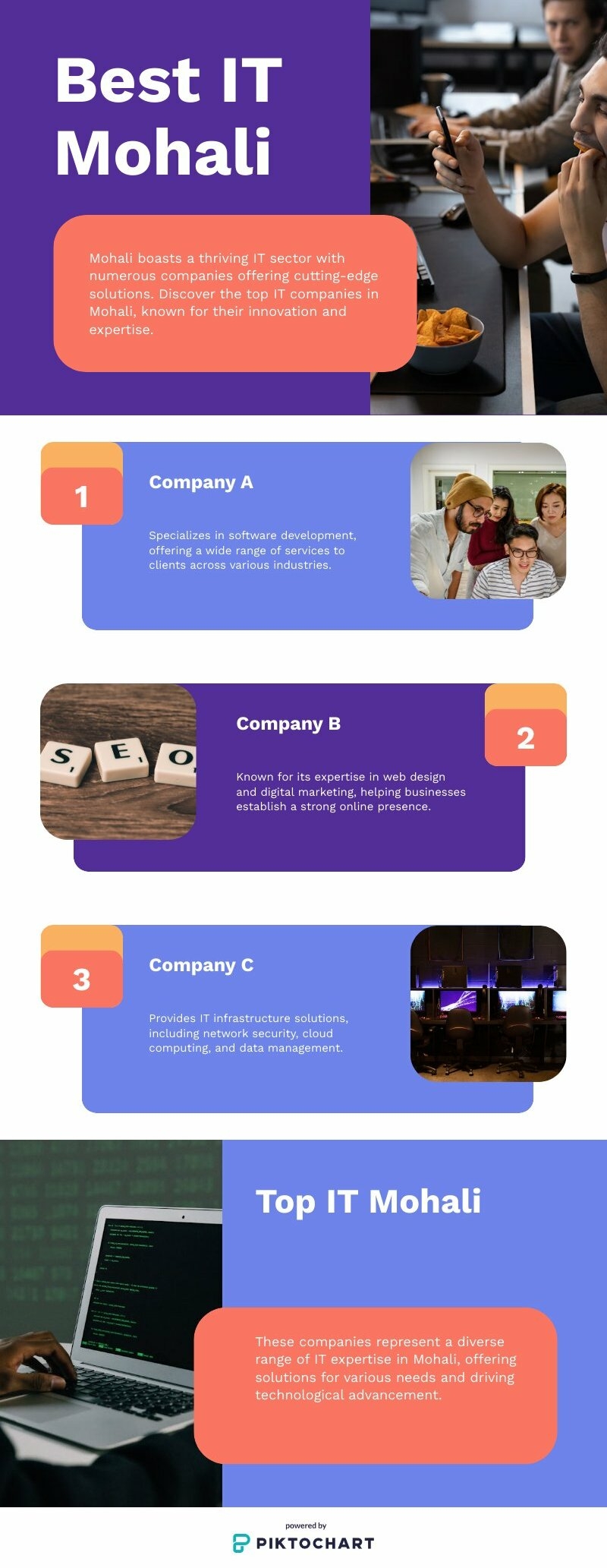
  • best IT company in Mohali

    Mohali, a thriving IT hub in Punjab, boasts a range of technology companies excelling in innovation and service. The best IT company in Mohali combines several key attributes: a strong track record of delivering cutting-edge solutions, a commitment to ongoing research and development, and a client-centric approach. This company should offer a diverse portfolio, including software development, IT consulting, and digital transformation services. Moreover, it should have a skilled team with expertise in emerging technologies like AI, blockchain, and cybersecurity. Emphasizing quality, reliability, and customer satisfaction, such a company stands out as a leader in Mohali’s dynamic IT landscape. Follow this link https://ideafoundation.co.in/
    best IT company in Mohali Mohali, a thriving IT hub in Punjab, boasts a range of technology companies excelling in innovation and service. The best IT company in Mohali combines several key attributes: a strong track record of delivering cutting-edge solutions, a commitment to ongoing research and development, and a client-centric approach. This company should offer a diverse portfolio, including software development, IT consulting, and digital transformation services. Moreover, it should have a skilled team with expertise in emerging technologies like AI, blockchain, and cybersecurity. Emphasizing quality, reliability, and customer satisfaction, such a company stands out as a leader in Mohali’s dynamic IT landscape. Follow this link https://ideafoundation.co.in/
    0 Comentários 0 Compartilhamentos 1K Visualizações 0 Anterior
Páginas Impulsionadas
Patrocinado
Patrocinado
google-site-verification: google037b30823fc02426.html