

Understanding the Benefits of Concrete Fiber Reinforcement
Concrete fiber reinforcement is a revolutionary advancement in construction materials, offering numerous benefits that enhance the performance, durability, and sustainability of concrete structures. This article delves into the key advantages of incorporating fibers into concrete, showcasing why this technology is becoming increasingly popular in the construction industry.
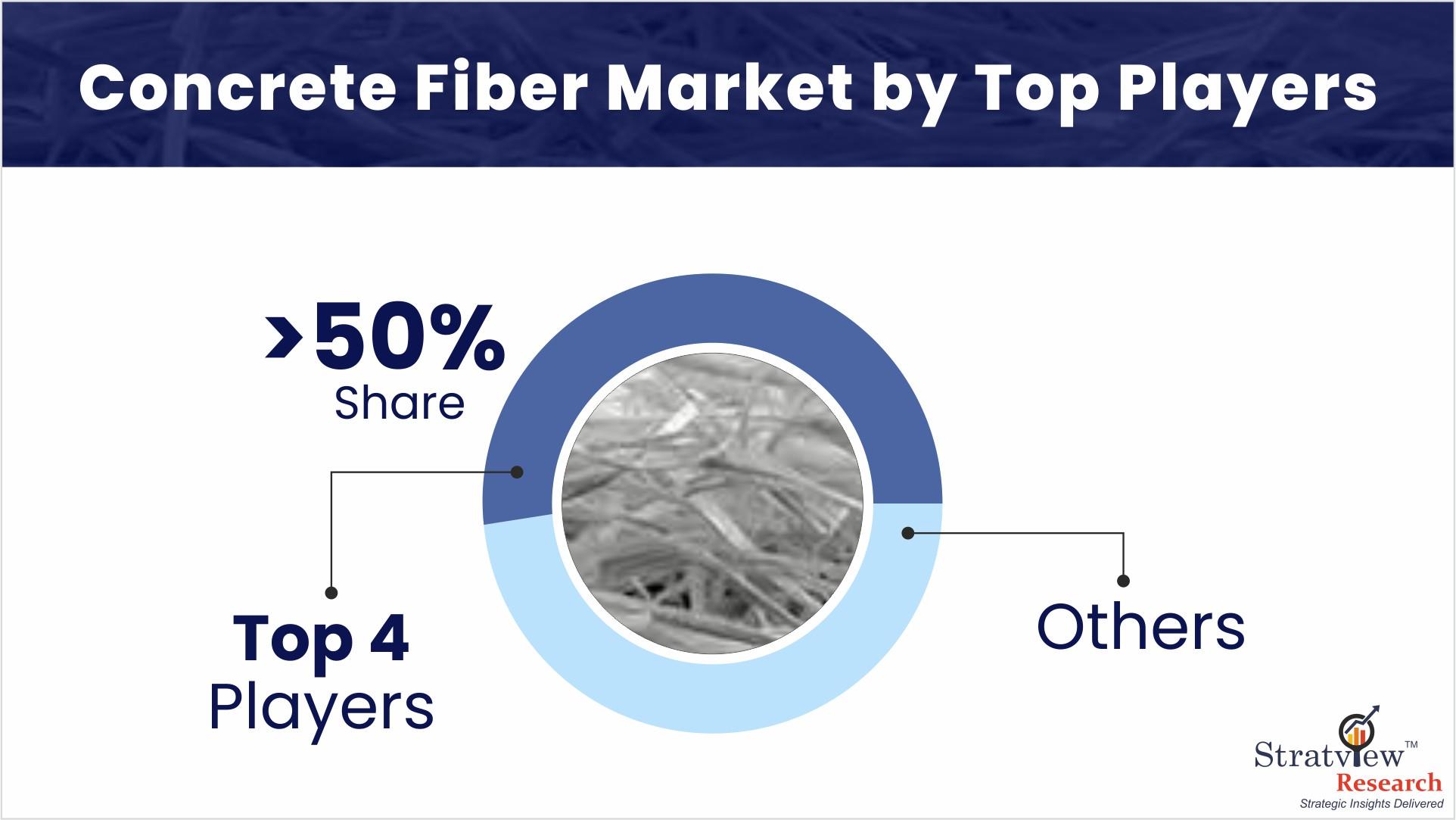
According to Stratview Research, the concrete fiber market was estimated at US$ 1.31 billion in 2021 and is expected to exhibit a healthy CAGR of 5.0% over the forecast period, reaching a valuation of US$ 1.8 billion by 2027.
Enhanced Durability and Strength
One of the primary benefits of concrete fiber reinforcement is its ability to significantly improve the durability and strength of concrete structures. Traditional concrete is prone to cracking and shrinkage, which can compromise the integrity of a building over time. The addition of fibers helps to mitigate these issues by distributing stress more evenly throughout the material. This reinforcement prevents the formation of micro-cracks and reduces the likelihood of larger cracks developing, ultimately extending the lifespan of the structure.
Improved Impact Resistance
Concrete reinforced with fibers exhibits enhanced impact resistance, making it ideal for applications where the material is subject to heavy loads or mechanical wear. This property is particularly valuable in industrial floors, pavements, and precast concrete products, where durability and resilience are paramount. The fibers help absorb and dissipate energy from impacts, reducing the risk of damage and maintaining the structural integrity of the concrete.
Better Flexural Strength
Flexural strength, or the ability of a material to resist bending, is another critical property enhanced by fiber reinforcement. Concrete fibers, especially steel and synthetic varieties, increase the flexural strength of concrete, allowing it to withstand higher loads and stresses without failing. This makes fiber-reinforced concrete an excellent choice for structures that experience dynamic or cyclic loading, such as bridges, tunnels, and high-rise buildings.
Enhanced Shrinkage Control
Shrinkage is a common issue in concrete that occurs as it dries and hardens. This can lead to cracking and deformation, compromising the quality and appearance of the structure. Fibers in concrete help control shrinkage by providing internal restraint and reducing the amount of shrinkage cracking. This is particularly beneficial in large slabs and pavements where shrinkage can be more pronounced.
Cost-Effectiveness
While the initial cost of adding fibers to concrete may be higher than using traditional reinforcement methods, the long-term benefits often result in overall cost savings. Enhanced durability and reduced maintenance needs translate to lower lifecycle costs for fiber-reinforced concrete structures. Additionally, the use of fibers can reduce or eliminate the need for other reinforcement materials, such as rebar or wire mesh, further contributing to cost savings.
Versatility in Applications
Concrete fiber reinforcement is versatile and can be used in a wide range of applications, from residential and commercial buildings to infrastructure projects and industrial facilities. Different types of fibers, including steel, glass, synthetic, and natural fibers, offer unique properties that can be tailored to specific project requirements. This flexibility allows engineers and architects to choose the best fiber type and dosage for their particular application, optimizing performance and efficiency.
Environmental Benefits
The use of concrete fiber reinforcement can also contribute to environmental sustainability. By enhancing the durability and lifespan of concrete structures, fewer repairs and replacements are needed, reducing the consumption of raw materials and energy associated with construction activities. Moreover, some fibers, such as those made from recycled materials, offer an eco-friendly alternative to traditional reinforcement methods.
Conclusion
Concrete fiber reinforcement is a transformative technology that offers numerous benefits, including enhanced durability, impact resistance, flexural strength, and shrinkage control. Its cost-effectiveness, versatility, and environmental benefits make it an attractive option for a wide range of construction applications. As the construction industry continues to evolve, the use of fiber-reinforced concrete is likely to become increasingly prevalent, driving advancements in building performance and sustainability.
- Questions and Answers
- Opinion
- Motivational and Inspiring Story
- Technology
- Live and Let live
- Focus
- Geopolitics
- Military-Arms/Equipment
- Sicherheit
- Economy
- Beasts of Nations
- Machine Tools-The “Mother Industry”
- Art
- Causes
- Crafts
- Dance
- Drinks
- Film/Movie
- Fitness
- Food
- Spiele
- Gardening
- Health
- Startseite
- Literature
- Music
- Networking
- Andere
- Party
- Religion
- Shopping
- Sports
- Theater
- Health and Wellness
- News
- Culture

 Chinese
 English
 Arabic
 French
 Spanish
 Portuguese
 Turkish
 Dutch
Dutch
 Italiano
 Russian
 Romaian
 Portuguese (Brazil)
 Greek
Greek