

How IoT Device Management Transforms Water Systems for Better Efficiency
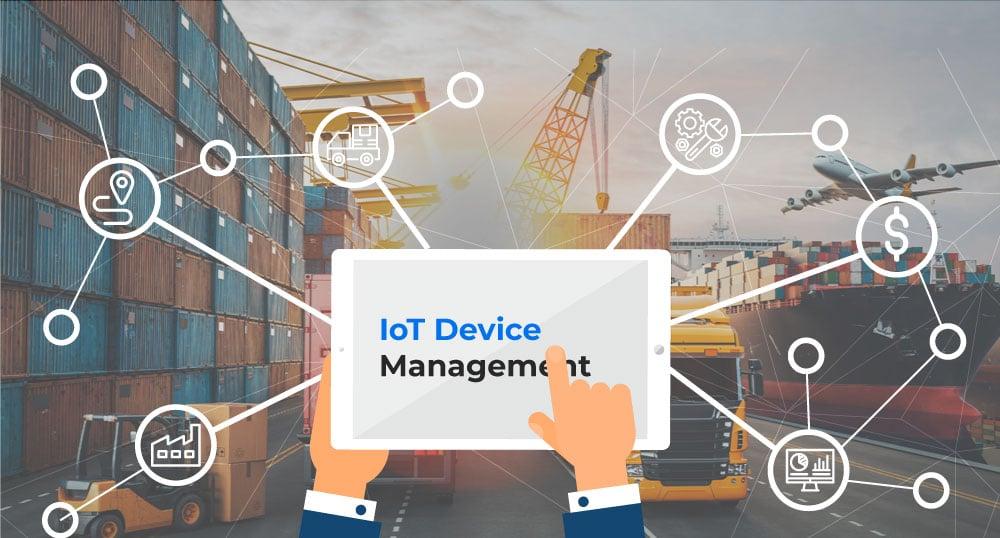
The Internet of Things (IoT) is revolutionizing the way we manage water resources. With smart sensors and devices that track water levels, quality, and usage in real-time, IoT is helping us make water systems more efficient and sustainable. Central to the success of these IoT enabled water systems is IoT device management the ongoing process of setting up, monitoring, maintaining, and updating devices. In this blog, we’ll discuss how effective device management is essential to ensure smooth and secure operations, and how features like IoT device monitoring and smart water meters play a key role in the process.
Understanding IoT Device Management in Water Systems
IoT device management is about ensuring that the sensors, meters, and other connected devices in a water system perform reliably and securely. From the initial setup to regular maintenance, device management ensures that each device operates as expected, captures accurate data, and remains secure against cyber threats.
Key Components of IoT Device Management:
- Configuration and Deployment: Ensures that devices are properly set up for accurate data collection.
- Device Health Monitoring: Tracks the performance of each device in real time to detect malfunctions early.
- Remote Updates and Patching: Keeps device software up-to-date to ensure security and improved features.
- Data Collection and Analysis: Ensures consistent data flow, which is essential for monitoring water usage, quality, and distribution.
The Importance of IoT Device Management for Water Efficiency
Effective IoT device management is critical to optimizing water usage, detecting leaks, and maintaining water quality. Without proper management, devices may malfunction, provide inaccurate readings, or become vulnerable to security breaches, which can lead to costly errors and inefficiencies.
-
Leak Detection and Prevention: IoT devices in water systems can identify leaks quickly, minimizing water loss. Managed devices ensure continuous functionality, reducing the risk of undetected leaks.
-
Improved Water Quality Monitoring: Devices track various quality parameters such as pH, chlorine levels, and turbidity. Effective device management keeps sensors calibrated and accurate, helping maintain water quality.
-
Cost Savings Through Automation: By remotely managing devices, water utilities reduce the need for frequent on-site maintenance. IoT device management reduces operating costs while enhancing system reliability.
-
Data-Driven Decision Making: Accurate data from IoT devices helps water managers make informed decisions, improve resource allocation, and optimize water distribution for better conservation efforts.
Best Practices in IoT Device Management for Water Systems
To ensure reliable performance, there are several best practices in IoT device management for water systems. Following these can help optimize device performance, increase data accuracy, and improve overall water system efficiency.
-
Automate Monitoring and Diagnostics: Use IoT device monitoring tools to track device health automatically. Automated monitoring helps detect potential issues before they escalate, improving system resilience.
-
Secure Data Channels: To protect water system data, establish secure communication protocols. This ensures that only authorized users can access device data, reducing risks related to unauthorized access.
-
Integrate Smart Water Meters: Smart water meters are vital in modern water systems, providing precise usage data. Including them in device management systems enables remote updates, real-time monitoring, and accurate billing, making them a valuable part of any smart water management solution.
-
Set Up Alerts for Anomalies: Configuring alerts for unexpected patterns, such as spikes in water usage, helps detect issues like leaks or device malfunctions. Alerts allow for quick responses to potential problems, protecting the integrity of the water system.
The Role of IoT Device Monitoring in Water Systems
IoT device monitoring is the continuous observation of device performance, connectivity, and data accuracy. It ensures that all sensors, meters, and other devices operate optimally, providing accurate data for water managers to use in decision-making.
Key Benefits of IoT Device Monitoring:
- Ensures Data Integrity: Monitoring ensures that data collected by devices remains accurate and reliable.
- Optimizes Maintenance: By tracking device health, monitoring helps predict maintenance needs, reducing unexpected downtime.
- Energy Efficiency: Tracking power consumption can help adjust device settings to reduce energy use, especially for remote or battery-powered devices.
- Faster Problem Resolution: Real-time monitoring enables immediate responses to device issues, minimizing disruptions.
How Smart Water Meters Enhance IoT Device Management
Smart water meters offer detailed insights into water usage, helping utilities and consumers alike make informed decisions about water conservation. Integrating smart meters with an IoT device management platform allows utilities to monitor usage data remotely, control meters for efficiency, and promptly address any irregularities.
Advantages of Smart Water Meters in IoT Systems:
- Enhanced Water Conservation: Smart meters provide users with real-time water usage data, helping them adopt more sustainable practices.
- Leak Detection and Alerts: Smart meters can detect unusual patterns and signal leaks, helping to save water.
- Improved Billing Accuracy: By measuring actual usage, smart meters ensure accurate billing, increasing consumer trust.
- Insight into Usage Patterns: With usage insights, utilities can better plan resources, manage demand, and educate consumers about water-saving practices.
Conclusion
In water systems, IoT device management is essential for ensuring the efficiency, reliability, and security of IoT devices. Properly managed devices, combined with tools like IoT device monitoring and smart water meters, help water utilities optimize operations, conserve resources, and reduce costs. By embracing these management practices, the water industry can enhance conservation efforts, improve service quality, and tackle global water challenges sustainably.
As IoT technology continues to evolve, the role of device management in water systems will grow even more critical. Investing in a robust IoT device management strategy today will help water utilities and consumers alike make better use of our most precious resource water.
- Questions and Answers
- Opinion
- Motivational and Inspiring Story
- Technology
- True & Inspiring Quotes
- Live and Let live
- Focus
- Art
- Causes
- Crafts
- Dance
- Drinks
- Film/Movie
- Fitness
- Food
- Spiele
- Gardening
- Health
- Startseite
- Literature
- Music
- Networking
- Andere
- Party
- Religion
- Shopping
- Sports
- Theater
- Wellness
- News
- Culture

 Chinese
 English
 Arabic
 French
 Spanish
 Portuguese
 Turkish
 Dutch
Dutch
 Italiano
 Russian
 Romaian
 Portuguese (Brazil)
 Greek
Greek