• Premium Uniform Fabrics — Shastri Polytex Industries

    Explore Shastri Polytex Industries’ wide range of uniform fabrics, crafted for durability, comfort, and professional appeal. From schools to corporate offices, our collection includes PC Matty, Spun Matty, and P.Knit fabrics, ensuring long-lasting quality and style. Based in Ludhiana, we deliver bulk uniform textiles across India with consistent performance and trusted reliability. For more details, contact us at: +91 8008958003 or visit our website here: https://shastripolytexindustries.com/product-category/uniform-fabrics/

    #uniformsfabricsIndia
    #uniformdressmaterialPunjab
    #uniformtextileinLudhiana
    #UniformFabricSupplier
    Premium Uniform Fabrics — Shastri Polytex Industries Explore Shastri Polytex Industries’ wide range of uniform fabrics, crafted for durability, comfort, and professional appeal. From schools to corporate offices, our collection includes PC Matty, Spun Matty, and P.Knit fabrics, ensuring long-lasting quality and style. Based in Ludhiana, we deliver bulk uniform textiles across India with consistent performance and trusted reliability. For more details, contact us at: +91 8008958003 or visit our website here: https://shastripolytexindustries.com/product-category/uniform-fabrics/ #uniformsfabricsIndia #uniformdressmaterialPunjab #uniformtextileinLudhiana #UniformFabricSupplier
    0 Comments 0 Shares 1K Views 0 Reviews
  • Can artificial intelligence help catch cyber fraud before it happens — or will it be used to commit more fraud?

    Artificial Intelligence (AI) presents a fascinating and somewhat terrifying dual-edged sword in the realm of cyber fraud.
    It absolutely has the potential to help catch fraud before it happens, but it is also undeniably being leveraged by criminals to commit more sophisticated and widespread fraud.

    How AI Can Help Catch Cyber Fraud Before It Happens (Defense):
    AI and Machine Learning (ML) are transforming fraud detection and prevention, moving from reactive to proactive measures.

    Real-Time Anomaly Detection and Behavioral Analytics:
    Proactive Monitoring: AI systems constantly monitor user behavior (login patterns, device usage, geographic location, typing cadence, transaction history) and system activity in real-time. They establish a "normal" baseline for each user and identify any deviations instantaneously.

    Predictive Analytics: By analyzing vast datasets of past fraudulent and legitimate activities, AI can identify subtle, emerging patterns that signal potential fraud attempts before they fully materialize. For example, if a user suddenly attempts a large transfer to an unusual beneficiary from a new device in a high-risk country, AI can flag or block it immediately.

    Examples: A bank's AI might notice a user trying to log in from Taiwan and then, moments later, attempting a transaction from a different IP address in Europe. This could trigger an immediate MFA challenge or block.

    Advanced Phishing and Malware Detection:
    Natural Language Processing (NLP): AI-powered NLP can analyze email content, social media messages, and text messages for linguistic cues, sentiment, and patterns associated with phishing attempts, even if they're expertly crafted by other AIs. It can detect subtle inconsistencies or malicious intent that humans might miss.

    Polymorphic Malware: AI can help detect polymorphic malware (malware that constantly changes its code to evade detection) by identifying its behavioral patterns rather than just its signature.

    Identifying Fake Content: AI can be trained to detect deepfakes (fake audio, video, images) by looking for minute inconsistencies or digital artifacts, helping to flag sophisticated impersonation scams before they deceive victims.

    Threat Intelligence and Pattern Recognition:
    Rapid Analysis: AI can rapidly process and correlate massive amounts of threat intelligence data from various sources (dark web forums, security bulletins, past incidents) to identify new fraud typologies and attack vectors.

    Automated Response: When a threat is identified, AI can automate responses like blocking malicious IPs, updating blacklists, or issuing real-time alerts to affected users or systems.

    Enhanced Identity Verification and Biometrics:
    AI-driven biometric authentication (facial recognition, voice analysis, fingerprint scanning) makes it significantly harder for fraudsters to impersonate legitimate users, especially during remote onboarding or high-value transactions.

    AI can analyze digital identity documents for signs of forgery and compare them with biometric data in real-time.

    Reduced False Positives:
    Traditional rule-based fraud detection often generates many false positives (legitimate transactions flagged as suspicious), leading to customer friction and operational inefficiencies. AI, with its adaptive learning, can significantly reduce false positives, allowing legitimate transactions to proceed smoothly while still catching actual fraud.

    How AI Can Be Used to Commit More Fraud (Offense):
    The same advancements that empower fraud detection also empower fraudsters. This is the "AI arms race" in cybersecurity.

    Hyper-Personalized Phishing and Social Engineering:
    Generative AI (LLMs): Tools like ChatGPT can generate perfectly worded, grammatically correct, and highly personalized phishing emails, texts, and social media messages. They can mimic corporate tone, individual writing styles, and even leverage publicly available information (from social media) to make scams incredibly convincing, eliminating the "Nigerian Prince" typo giveaways.

    Automated Campaigns: AI can automate the generation and distribution of thousands or millions of unique phishing attempts, scaling attacks exponentially.

    Sophisticated Impersonation (Deepfakes):
    Deepfake Audio/Video: AI enables criminals to create highly realistic deepfake audio and video of executives, family members, or public figures. This is used in "CEO fraud" or "grandparent scams" where a cloned voice or video call convinces victims to transfer money urgently. (e.g., the $25 million Hong Kong deepfake scam).

    Synthetic Identities: AI can generate entirely fake personas with realistic photos, bios, and even documents, which can then be used to open fraudulent bank accounts, apply for loans, or bypass KYC checks.

    Advanced Malware and Evasion:
    Polymorphic and Evasive Malware: AI can be used to develop malware that adapts and changes its code in real-time to evade traditional antivirus software and intrusion detection systems.

    Automated Vulnerability Scanning: AI can rapidly scan networks and applications to identify vulnerabilities (including zero-days) that can be exploited for attacks.

    Automated Credential Stuffing and Account Takeovers:
    AI can automate the process of trying stolen usernames and passwords across numerous websites, mimicking human behavior to avoid detection by bot management systems.

    It can analyze breached credential databases to identify patterns and target high-value accounts more efficiently.

    Enhanced Fraud Infrastructure:
    AI-powered chatbots can engage victims in real-time, adapting their responses to manipulate them over extended conversations, making romance scams and investment scams more effective and scalable.

    AI can optimize money laundering routes by identifying the least risky pathways for illicit funds.

    The AI Arms Race:
    The reality is that AI will be used for both. The fight against cyber fraud is becoming an AI arms race, where defenders must continually develop and deploy more advanced AI to counter the increasingly sophisticated AI used by attackers.

    For individuals and organizations in Taiwan, this means:
    Investing in AI-powered security solutions: Banks and large companies must use AI to fight AI.

    Continuous Learning: Everyone needs to stay informed about the latest AI-powered scam tactics, as they evolve rapidly.

    Focus on Human Element: While AI can detect patterns, human critical thinking, skepticism, and verification remain essential, especially when faced with emotionally manipulative AI-generated content.

    Collaboration: Sharing threat intelligence (including AI-driven fraud methods) between industry, government, and cybersecurity researchers is more critical than ever.

    The future of cyber fraud will be heavily influenced by AI, making the landscape both more dangerous for victims and more challenging for those trying to protect them.
    Can artificial intelligence help catch cyber fraud before it happens — or will it be used to commit more fraud? Artificial Intelligence (AI) presents a fascinating and somewhat terrifying dual-edged sword in the realm of cyber fraud. It absolutely has the potential to help catch fraud before it happens, but it is also undeniably being leveraged by criminals to commit more sophisticated and widespread fraud. How AI Can Help Catch Cyber Fraud Before It Happens (Defense): AI and Machine Learning (ML) are transforming fraud detection and prevention, moving from reactive to proactive measures. Real-Time Anomaly Detection and Behavioral Analytics: Proactive Monitoring: AI systems constantly monitor user behavior (login patterns, device usage, geographic location, typing cadence, transaction history) and system activity in real-time. They establish a "normal" baseline for each user and identify any deviations instantaneously. Predictive Analytics: By analyzing vast datasets of past fraudulent and legitimate activities, AI can identify subtle, emerging patterns that signal potential fraud attempts before they fully materialize. For example, if a user suddenly attempts a large transfer to an unusual beneficiary from a new device in a high-risk country, AI can flag or block it immediately. Examples: A bank's AI might notice a user trying to log in from Taiwan and then, moments later, attempting a transaction from a different IP address in Europe. This could trigger an immediate MFA challenge or block. Advanced Phishing and Malware Detection: Natural Language Processing (NLP): AI-powered NLP can analyze email content, social media messages, and text messages for linguistic cues, sentiment, and patterns associated with phishing attempts, even if they're expertly crafted by other AIs. It can detect subtle inconsistencies or malicious intent that humans might miss. Polymorphic Malware: AI can help detect polymorphic malware (malware that constantly changes its code to evade detection) by identifying its behavioral patterns rather than just its signature. Identifying Fake Content: AI can be trained to detect deepfakes (fake audio, video, images) by looking for minute inconsistencies or digital artifacts, helping to flag sophisticated impersonation scams before they deceive victims. Threat Intelligence and Pattern Recognition: Rapid Analysis: AI can rapidly process and correlate massive amounts of threat intelligence data from various sources (dark web forums, security bulletins, past incidents) to identify new fraud typologies and attack vectors. Automated Response: When a threat is identified, AI can automate responses like blocking malicious IPs, updating blacklists, or issuing real-time alerts to affected users or systems. Enhanced Identity Verification and Biometrics: AI-driven biometric authentication (facial recognition, voice analysis, fingerprint scanning) makes it significantly harder for fraudsters to impersonate legitimate users, especially during remote onboarding or high-value transactions. AI can analyze digital identity documents for signs of forgery and compare them with biometric data in real-time. Reduced False Positives: Traditional rule-based fraud detection often generates many false positives (legitimate transactions flagged as suspicious), leading to customer friction and operational inefficiencies. AI, with its adaptive learning, can significantly reduce false positives, allowing legitimate transactions to proceed smoothly while still catching actual fraud. How AI Can Be Used to Commit More Fraud (Offense): The same advancements that empower fraud detection also empower fraudsters. This is the "AI arms race" in cybersecurity. Hyper-Personalized Phishing and Social Engineering: Generative AI (LLMs): Tools like ChatGPT can generate perfectly worded, grammatically correct, and highly personalized phishing emails, texts, and social media messages. They can mimic corporate tone, individual writing styles, and even leverage publicly available information (from social media) to make scams incredibly convincing, eliminating the "Nigerian Prince" typo giveaways. Automated Campaigns: AI can automate the generation and distribution of thousands or millions of unique phishing attempts, scaling attacks exponentially. Sophisticated Impersonation (Deepfakes): Deepfake Audio/Video: AI enables criminals to create highly realistic deepfake audio and video of executives, family members, or public figures. This is used in "CEO fraud" or "grandparent scams" where a cloned voice or video call convinces victims to transfer money urgently. (e.g., the $25 million Hong Kong deepfake scam). Synthetic Identities: AI can generate entirely fake personas with realistic photos, bios, and even documents, which can then be used to open fraudulent bank accounts, apply for loans, or bypass KYC checks. Advanced Malware and Evasion: Polymorphic and Evasive Malware: AI can be used to develop malware that adapts and changes its code in real-time to evade traditional antivirus software and intrusion detection systems. Automated Vulnerability Scanning: AI can rapidly scan networks and applications to identify vulnerabilities (including zero-days) that can be exploited for attacks. Automated Credential Stuffing and Account Takeovers: AI can automate the process of trying stolen usernames and passwords across numerous websites, mimicking human behavior to avoid detection by bot management systems. It can analyze breached credential databases to identify patterns and target high-value accounts more efficiently. Enhanced Fraud Infrastructure: AI-powered chatbots can engage victims in real-time, adapting their responses to manipulate them over extended conversations, making romance scams and investment scams more effective and scalable. AI can optimize money laundering routes by identifying the least risky pathways for illicit funds. The AI Arms Race: The reality is that AI will be used for both. The fight against cyber fraud is becoming an AI arms race, where defenders must continually develop and deploy more advanced AI to counter the increasingly sophisticated AI used by attackers. For individuals and organizations in Taiwan, this means: Investing in AI-powered security solutions: Banks and large companies must use AI to fight AI. Continuous Learning: Everyone needs to stay informed about the latest AI-powered scam tactics, as they evolve rapidly. Focus on Human Element: While AI can detect patterns, human critical thinking, skepticism, and verification remain essential, especially when faced with emotionally manipulative AI-generated content. Collaboration: Sharing threat intelligence (including AI-driven fraud methods) between industry, government, and cybersecurity researchers is more critical than ever. The future of cyber fraud will be heavily influenced by AI, making the landscape both more dangerous for victims and more challenging for those trying to protect them.
    0 Comments 0 Shares 7K Views 0 Reviews
  • How can banks and online platforms detect and prevent fraud in real-time?

    Banks and online platforms are at the forefront of the battle against cyber fraud, and real-time detection and prevention are crucial given the speed at which illicit transactions and deceptive communications can occur. They employ a combination of sophisticated technologies, data analysis, and operational processes.

    Here's how they detect and prevent fraud in real-time:
    I. Leveraging Artificial Intelligence (AI) and Machine Learning (ML)
    This is the cornerstone of modern real-time fraud detection. AI/ML models can process vast amounts of data in milliseconds, identify complex patterns, and adapt to evolving fraud tactics.

    Behavioral Analytics:
    User Profiling: AI systems create a comprehensive profile of a user's normal behavior, including typical login times, devices used, geographic locations, transaction amounts, frequency, spending habits, and even typing patterns or mouse movements (behavioral biometrics).

    Anomaly Detection: Any significant deviation from this established baseline (e.g., a login from a new device or unusual location, a large transaction to a new beneficiary, multiple failed login attempts followed by a success) triggers an immediate alert or a "step-up" authentication challenge.

    Examples: A bank might flag a transaction if a customer who normally spends small amounts in Taipei suddenly attempts a large international transfer from a location like Nigeria or Cambodia.

    Pattern Recognition:
    Fraud Typologies: ML models are trained on massive datasets of both legitimate and known fraudulent transactions, enabling them to recognize subtle patterns indicative of fraud. This includes identifying "smurfing" (multiple small transactions to avoid detection) or links between seemingly unrelated accounts.

    Adaptive Learning: Unlike traditional rule-based systems, AI models continuously learn from new data, including newly identified fraud cases, allowing them to adapt to evolving scam techniques (e.g., new phishing email patterns, synthetic identity fraud).

    Real-time Scoring and Risk Assessment:
    Every transaction, login attempt, or user action is immediately assigned a risk score based on hundreds, or even thousands, of variables analyzed by AI/ML models.

    This score determines the immediate response: approve, block, flag for manual review, or request additional verification.

    Generative AI:
    Emerging use of generative AI to identify fraud that mimics human behavior. By generating synthetic data that models legitimate and fraudulent patterns, it helps train more robust detection systems.

    Conversely, generative AI is also used by fraudsters (e.g., deepfakes, sophisticated phishing), necessitating continuous updates to detection models.

    II. Multi-Layered Authentication and Verification
    Even with AI, strong authentication is critical to prevent account takeovers.

    Multi-Factor Authentication (MFA/2FA):
    Requires users to verify their identity using at least two different factors (e.g., something they know like a password, something they have like a phone or hardware token, something they are like a fingerprint or face scan).

    Risk-Based Authentication: Stricter MFA is applied only when suspicious activity is detected (e.g., login from a new device, high-value transaction). For instance, in Taiwan, many banks require an additional OTP for certain online transactions.

    Device Fingerprinting:
    Identifies and tracks specific devices (computers, smartphones) used to access accounts. If an unrecognized device attempts to log in, it can trigger an alert or an MFA challenge.

    Biometric Verification:
    Fingerprint, facial recognition (e.g., Face ID), or voice authentication, especially for mobile banking apps, provides a secure and convenient layer of identity verification.

    3D Secure 2.0 (3DS2):
    An enhanced authentication protocol for online card transactions. It uses more data points to assess transaction risk in real-time, often without requiring the user to enter a password, minimizing friction while increasing security.

    Address Verification Service (AVS) & Card Verification Value (CVV):

    Traditional but still vital tools used by payment gateways to verify the billing address and the three/four-digit security code on the card.

    III. Data Monitoring and Intelligence Sharing
    Transaction Monitoring:

    Automated systems continuously monitor all transactions (deposits, withdrawals, transfers, payments) for suspicious patterns, amounts, or destinations.

    Real-time Event Streaming:
    Utilizing technologies like Apache Kafka to ingest and process massive streams of data from various sources (login attempts, transactions, API calls) in real-time for immediate analysis.

    Threat Intelligence Feeds:
    Banks and platforms subscribe to and share intelligence on emerging fraud typologies, known malicious IP addresses, fraudulent phone numbers, compromised credentials, and scam tactics (e.g., lists of fake investment websites or scam social media profiles). This helps them proactively block or flag threats.

    Collaboration with Law Enforcement: In Taiwan, banks and online platforms are increasingly mandated to collaborate with the 165 Anti-Fraud Hotline and law enforcement to share information about fraud cases and fraudulent accounts.

    KYC (Know Your Customer) and AML (Anti-Money Laundering) Checks:

    While not strictly real-time fraud detection, robust KYC processes during onboarding (identity verification) and continuous AML transaction monitoring are crucial for preventing fraudsters from opening accounts in the first place or laundering money once fraud has occurred. Taiwan's recent emphasis on VASP AML regulations is a key step.

    IV. Operational Procedures and Human Oversight

    Automated Responses:
    Based on risk scores, systems can automatically:

    Block Transactions: For high-risk activities.

    Challenge Users: Request additional authentication.

    Send Alerts: Notify the user via SMS or email about suspicious activity.

    Temporarily Lock Accounts: To prevent further compromise.

    Human Fraud Analysts:
    AI/ML systems identify suspicious activities, but complex or borderline cases are escalated to human fraud analysts for manual review. These analysts use their experience and judgment to make final decisions.

    They also investigate new fraud patterns that the AI might not yet be trained on.

    Customer Education:
    Banks and platforms actively educate their users about common scam tactics (e.g., investment scams, phishing, impersonation scams) through apps, websites, SMS alerts, and public campaigns (e.g., Taiwan's 165 hotline campaigns). This empowers users to be the "first line of defense."

    Dedicated Fraud Prevention Teams:
    Specialized teams are responsible for developing, implementing, and continually optimizing fraud prevention strategies, including updating risk rules and ML models.

    By integrating these advanced technologies and proactive operational measures, banks and and online platforms strive to detect and prevent fraud in real-time, reducing financial losses and enhancing customer trust. However, the cat-and-mouse game with fraudsters means constant adaptation and investment are required.

    How can banks and online platforms detect and prevent fraud in real-time? Banks and online platforms are at the forefront of the battle against cyber fraud, and real-time detection and prevention are crucial given the speed at which illicit transactions and deceptive communications can occur. They employ a combination of sophisticated technologies, data analysis, and operational processes. Here's how they detect and prevent fraud in real-time: I. Leveraging Artificial Intelligence (AI) and Machine Learning (ML) This is the cornerstone of modern real-time fraud detection. AI/ML models can process vast amounts of data in milliseconds, identify complex patterns, and adapt to evolving fraud tactics. Behavioral Analytics: User Profiling: AI systems create a comprehensive profile of a user's normal behavior, including typical login times, devices used, geographic locations, transaction amounts, frequency, spending habits, and even typing patterns or mouse movements (behavioral biometrics). Anomaly Detection: Any significant deviation from this established baseline (e.g., a login from a new device or unusual location, a large transaction to a new beneficiary, multiple failed login attempts followed by a success) triggers an immediate alert or a "step-up" authentication challenge. Examples: A bank might flag a transaction if a customer who normally spends small amounts in Taipei suddenly attempts a large international transfer from a location like Nigeria or Cambodia. Pattern Recognition: Fraud Typologies: ML models are trained on massive datasets of both legitimate and known fraudulent transactions, enabling them to recognize subtle patterns indicative of fraud. This includes identifying "smurfing" (multiple small transactions to avoid detection) or links between seemingly unrelated accounts. Adaptive Learning: Unlike traditional rule-based systems, AI models continuously learn from new data, including newly identified fraud cases, allowing them to adapt to evolving scam techniques (e.g., new phishing email patterns, synthetic identity fraud). Real-time Scoring and Risk Assessment: Every transaction, login attempt, or user action is immediately assigned a risk score based on hundreds, or even thousands, of variables analyzed by AI/ML models. This score determines the immediate response: approve, block, flag for manual review, or request additional verification. Generative AI: Emerging use of generative AI to identify fraud that mimics human behavior. By generating synthetic data that models legitimate and fraudulent patterns, it helps train more robust detection systems. Conversely, generative AI is also used by fraudsters (e.g., deepfakes, sophisticated phishing), necessitating continuous updates to detection models. II. Multi-Layered Authentication and Verification Even with AI, strong authentication is critical to prevent account takeovers. Multi-Factor Authentication (MFA/2FA): Requires users to verify their identity using at least two different factors (e.g., something they know like a password, something they have like a phone or hardware token, something they are like a fingerprint or face scan). Risk-Based Authentication: Stricter MFA is applied only when suspicious activity is detected (e.g., login from a new device, high-value transaction). For instance, in Taiwan, many banks require an additional OTP for certain online transactions. Device Fingerprinting: Identifies and tracks specific devices (computers, smartphones) used to access accounts. If an unrecognized device attempts to log in, it can trigger an alert or an MFA challenge. Biometric Verification: Fingerprint, facial recognition (e.g., Face ID), or voice authentication, especially for mobile banking apps, provides a secure and convenient layer of identity verification. 3D Secure 2.0 (3DS2): An enhanced authentication protocol for online card transactions. It uses more data points to assess transaction risk in real-time, often without requiring the user to enter a password, minimizing friction while increasing security. Address Verification Service (AVS) & Card Verification Value (CVV): Traditional but still vital tools used by payment gateways to verify the billing address and the three/four-digit security code on the card. III. Data Monitoring and Intelligence Sharing Transaction Monitoring: Automated systems continuously monitor all transactions (deposits, withdrawals, transfers, payments) for suspicious patterns, amounts, or destinations. Real-time Event Streaming: Utilizing technologies like Apache Kafka to ingest and process massive streams of data from various sources (login attempts, transactions, API calls) in real-time for immediate analysis. Threat Intelligence Feeds: Banks and platforms subscribe to and share intelligence on emerging fraud typologies, known malicious IP addresses, fraudulent phone numbers, compromised credentials, and scam tactics (e.g., lists of fake investment websites or scam social media profiles). This helps them proactively block or flag threats. Collaboration with Law Enforcement: In Taiwan, banks and online platforms are increasingly mandated to collaborate with the 165 Anti-Fraud Hotline and law enforcement to share information about fraud cases and fraudulent accounts. KYC (Know Your Customer) and AML (Anti-Money Laundering) Checks: While not strictly real-time fraud detection, robust KYC processes during onboarding (identity verification) and continuous AML transaction monitoring are crucial for preventing fraudsters from opening accounts in the first place or laundering money once fraud has occurred. Taiwan's recent emphasis on VASP AML regulations is a key step. IV. Operational Procedures and Human Oversight Automated Responses: Based on risk scores, systems can automatically: Block Transactions: For high-risk activities. Challenge Users: Request additional authentication. Send Alerts: Notify the user via SMS or email about suspicious activity. Temporarily Lock Accounts: To prevent further compromise. Human Fraud Analysts: AI/ML systems identify suspicious activities, but complex or borderline cases are escalated to human fraud analysts for manual review. These analysts use their experience and judgment to make final decisions. They also investigate new fraud patterns that the AI might not yet be trained on. Customer Education: Banks and platforms actively educate their users about common scam tactics (e.g., investment scams, phishing, impersonation scams) through apps, websites, SMS alerts, and public campaigns (e.g., Taiwan's 165 hotline campaigns). This empowers users to be the "first line of defense." Dedicated Fraud Prevention Teams: Specialized teams are responsible for developing, implementing, and continually optimizing fraud prevention strategies, including updating risk rules and ML models. By integrating these advanced technologies and proactive operational measures, banks and and online platforms strive to detect and prevent fraud in real-time, reducing financial losses and enhancing customer trust. However, the cat-and-mouse game with fraudsters means constant adaptation and investment are required.

    0 Comments 0 Shares 6K Views 0 Reviews
  • What steps can individuals take to protect themselves from being victims of cyber fraud?

    Protecting oneself from cyber fraud requires a multi-layered approach, combining vigilance, good digital hygiene, and staying informed about the latest scam tactics.
    Given the prevalence of cyber fraud in Taiwan, here are crucial steps individuals can take:

    I. Be Skeptical and Verify Everything
    "Too Good to Be True" is a Red Flag: If an offer (job, investment, prize, online deal) sounds incredibly lucrative or requires minimal effort for huge returns, it's almost certainly a scam.

    Verify Identities Independently:
    Impersonation: Scammers frequently impersonate government officials, police, banks, utility companies, tech support, even friends or family members (e.g., the "guess who" scam where they claim a new phone number).

    Always Verify: If you receive an urgent request for money or personal information, do not trust the contact method you received it on. Call the organization or person back using an officially published phone number (from their official website, the back of your bank card, or a trusted directory), not a number provided in the suspicious message.

    Government SMS: In Taiwan, government agencies use the "111" SMS short code for official messages. Any message claiming to be from the government not using this code should be treated as suspicious.

    Inspect Links and Emails Carefully:
    Hover Before Clicking: Before clicking on any link in an email or message, hover your mouse cursor over it to see the actual URL. Look for misspellings, extra characters, or unfamiliar domains.

    Check Sender's Email: Look closely at the sender's email address. Scammers often use addresses that are similar but not identical to legitimate ones (e.g., "support@appple.com" instead of "support@apple.com").

    Grammar and Spelling: Poor grammar, typos, and awkward phrasing are common in scam messages.

    Be Wary of Urgency and Threats: Scammers often create a sense of panic or urgency ("Your account will be closed!", "You'll be arrested!", "Limited-time offer!"). This is designed to make you act without thinking.

    II. Secure Your Accounts and Devices
    Strong, Unique Passwords: Use long, complex passwords (a mix of uppercase, lowercase, numbers, and symbols) that are unique for every online account.

    Password Managers: Consider using a reputable password manager to generate and store strong, unique passwords securely.

    Enable Two-Factor Authentication (2FA) / Multi-Factor Authentication (MFA): This adds an extra layer of security. Even if a scammer gets your password, they can't log in without the second factor (e.g., a code from your phone, a fingerprint, a hardware token). Enable this on all sensitive accounts (email, banking, social media, online shopping).

    Keep Software Updated: Regularly update your operating system, web browsers, antivirus software, and all applications. These updates often include critical security patches that protect against known vulnerabilities.

    Use Antivirus/Anti-malware Software: Install and maintain reputable antivirus and anti-malware software on all your devices (computers, smartphones, tablets).

    Be Cautious with Public Wi-Fi: Avoid conducting sensitive transactions (online banking, shopping) on unsecured public Wi-Fi networks. Use a Virtual Private Network (VPN) for added security if you must.

    III. Protect Your Personal and Financial Information
    Never Share Sensitive Information Carelessly:

    PINs, Passwords, OTPs: Never share your banking PINs, online banking passwords, or one-time passcodes (OTPs) with anyone. Legitimate organizations will never ask for these.

    Personal Data: Be extremely cautious about providing your ID number, bank account details, credit card numbers, or other sensitive PII online or over the phone unless you initiated the contact and are certain of the recipient's legitimacy.

    Reshipping Scams: Never accept or reship packages for someone you don't know, especially if the "job" seems too easy. You could be unknowingly participating in a reshipping scam.

    Monitor Your Accounts:
    Bank and Credit Card Statements: Regularly review your bank and credit card statements for any unauthorized or suspicious transactions. Report them to your bank immediately.

    Credit Reports: Periodically check your credit report for any accounts opened in your name without your knowledge.

    Be Careful What You Share on Social Media: Fraudsters often gather information from social media profiles to make their scams more convincing (e.g., knowing family members' names, recent travel plans, or hobbies). Adjust your privacy settings and be mindful of what you post publicly.

    Avoid Unsolicited Downloads/Attachments: Do not open email attachments or download software from unknown or suspicious sources, as they may contain malware.

    IV. Recognize Common Scams (Specific to Taiwan's Context)
    Based on recent trends in Taiwan:
    Investment Scams (especially crypto): This is the most prevalent and financially devastating scam.

    Lure: Promises of high, quick returns with little risk, often promoted via Facebook ads impersonating celebrities or financial experts.

    Method: Victims are typically directed to LINE groups, then instructed to download fake investment apps or websites where they deposit money (often cryptocurrency). The app shows fake profits, but victims cannot withdraw their funds and are pressured to invest more.

    Protection: Only invest through licensed financial institutions and reputable platforms. Be highly suspicious of unsolicited investment advice. If it's not a major, well-known financial firm, assume it's a scam.

    Fake Customer Service/One-Page Scams:
    Lure: Ads or links on social media leading to fake product sales or claims of customer service issues for online purchases.

    Method: May involve fake "customer service" guiding victims to transfer money or provide verification codes that enable unauthorized bank transfers.

    Protection: Always go directly to the official website of the company for customer service. Never click links in suspicious messages.

    Impersonation Scams ("Guess Who?"):
    Lure: A message (SMS, LINE) from an unknown number claiming to be a friend or family member with a "new number" or in an "emergency" needing money.

    Protection: Always call the person back on their known, old number to verify. Ask a personal question only they would know.

    Fake Police/Prosecutor Scams:
    Lure: Impersonators claim you're involved in money laundering or fraud, demanding transfers to "secure" your assets.

    Protection: Law enforcement and judicial bodies in Taiwan will never demand money transfers or ask for your bank details over the phone for investigation. Hang up and call the official 165 anti-fraud hotline or local police station directly.

    V. What to Do If You Suspect or Are a Victim of Fraud:
    Stop All Communication: Immediately cease contact with the suspected fraudsters.

    Gather Evidence: Collect all relevant information: messages, emails, transaction details, screenshots, website URLs, phone numbers.

    Report Immediately:
    Taiwan National Police Agency Anti-Fraud Hotline: 165 (This is your first point of contact in Taiwan).

    Report to Your Bank: If money was transferred or accounts compromised, notify your bank immediately to freeze transactions and accounts.

    Report to the Platform: If the scam originated on Facebook, LINE, Instagram, etc., report the account or ad to the platform.

    Change Passwords: If any accounts might be compromised, change their passwords immediately.

    By adopting these proactive and reactive measures, individuals can significantly reduce their risk of falling victim to cyber fraud.
    What steps can individuals take to protect themselves from being victims of cyber fraud? Protecting oneself from cyber fraud requires a multi-layered approach, combining vigilance, good digital hygiene, and staying informed about the latest scam tactics. Given the prevalence of cyber fraud in Taiwan, here are crucial steps individuals can take: I. Be Skeptical and Verify Everything "Too Good to Be True" is a Red Flag: If an offer (job, investment, prize, online deal) sounds incredibly lucrative or requires minimal effort for huge returns, it's almost certainly a scam. Verify Identities Independently: Impersonation: Scammers frequently impersonate government officials, police, banks, utility companies, tech support, even friends or family members (e.g., the "guess who" scam where they claim a new phone number). Always Verify: If you receive an urgent request for money or personal information, do not trust the contact method you received it on. Call the organization or person back using an officially published phone number (from their official website, the back of your bank card, or a trusted directory), not a number provided in the suspicious message. Government SMS: In Taiwan, government agencies use the "111" SMS short code for official messages. Any message claiming to be from the government not using this code should be treated as suspicious. Inspect Links and Emails Carefully: Hover Before Clicking: Before clicking on any link in an email or message, hover your mouse cursor over it to see the actual URL. Look for misspellings, extra characters, or unfamiliar domains. Check Sender's Email: Look closely at the sender's email address. Scammers often use addresses that are similar but not identical to legitimate ones (e.g., "support@appple.com" instead of "support@apple.com"). Grammar and Spelling: Poor grammar, typos, and awkward phrasing are common in scam messages. Be Wary of Urgency and Threats: Scammers often create a sense of panic or urgency ("Your account will be closed!", "You'll be arrested!", "Limited-time offer!"). This is designed to make you act without thinking. II. Secure Your Accounts and Devices Strong, Unique Passwords: Use long, complex passwords (a mix of uppercase, lowercase, numbers, and symbols) that are unique for every online account. Password Managers: Consider using a reputable password manager to generate and store strong, unique passwords securely. Enable Two-Factor Authentication (2FA) / Multi-Factor Authentication (MFA): This adds an extra layer of security. Even if a scammer gets your password, they can't log in without the second factor (e.g., a code from your phone, a fingerprint, a hardware token). Enable this on all sensitive accounts (email, banking, social media, online shopping). Keep Software Updated: Regularly update your operating system, web browsers, antivirus software, and all applications. These updates often include critical security patches that protect against known vulnerabilities. Use Antivirus/Anti-malware Software: Install and maintain reputable antivirus and anti-malware software on all your devices (computers, smartphones, tablets). Be Cautious with Public Wi-Fi: Avoid conducting sensitive transactions (online banking, shopping) on unsecured public Wi-Fi networks. Use a Virtual Private Network (VPN) for added security if you must. III. Protect Your Personal and Financial Information Never Share Sensitive Information Carelessly: PINs, Passwords, OTPs: Never share your banking PINs, online banking passwords, or one-time passcodes (OTPs) with anyone. Legitimate organizations will never ask for these. Personal Data: Be extremely cautious about providing your ID number, bank account details, credit card numbers, or other sensitive PII online or over the phone unless you initiated the contact and are certain of the recipient's legitimacy. Reshipping Scams: Never accept or reship packages for someone you don't know, especially if the "job" seems too easy. You could be unknowingly participating in a reshipping scam. Monitor Your Accounts: Bank and Credit Card Statements: Regularly review your bank and credit card statements for any unauthorized or suspicious transactions. Report them to your bank immediately. Credit Reports: Periodically check your credit report for any accounts opened in your name without your knowledge. Be Careful What You Share on Social Media: Fraudsters often gather information from social media profiles to make their scams more convincing (e.g., knowing family members' names, recent travel plans, or hobbies). Adjust your privacy settings and be mindful of what you post publicly. Avoid Unsolicited Downloads/Attachments: Do not open email attachments or download software from unknown or suspicious sources, as they may contain malware. IV. Recognize Common Scams (Specific to Taiwan's Context) Based on recent trends in Taiwan: Investment Scams (especially crypto): This is the most prevalent and financially devastating scam. Lure: Promises of high, quick returns with little risk, often promoted via Facebook ads impersonating celebrities or financial experts. Method: Victims are typically directed to LINE groups, then instructed to download fake investment apps or websites where they deposit money (often cryptocurrency). The app shows fake profits, but victims cannot withdraw their funds and are pressured to invest more. Protection: Only invest through licensed financial institutions and reputable platforms. Be highly suspicious of unsolicited investment advice. If it's not a major, well-known financial firm, assume it's a scam. Fake Customer Service/One-Page Scams: Lure: Ads or links on social media leading to fake product sales or claims of customer service issues for online purchases. Method: May involve fake "customer service" guiding victims to transfer money or provide verification codes that enable unauthorized bank transfers. Protection: Always go directly to the official website of the company for customer service. Never click links in suspicious messages. Impersonation Scams ("Guess Who?"): Lure: A message (SMS, LINE) from an unknown number claiming to be a friend or family member with a "new number" or in an "emergency" needing money. Protection: Always call the person back on their known, old number to verify. Ask a personal question only they would know. Fake Police/Prosecutor Scams: Lure: Impersonators claim you're involved in money laundering or fraud, demanding transfers to "secure" your assets. Protection: Law enforcement and judicial bodies in Taiwan will never demand money transfers or ask for your bank details over the phone for investigation. Hang up and call the official 165 anti-fraud hotline or local police station directly. V. What to Do If You Suspect or Are a Victim of Fraud: Stop All Communication: Immediately cease contact with the suspected fraudsters. Gather Evidence: Collect all relevant information: messages, emails, transaction details, screenshots, website URLs, phone numbers. Report Immediately: Taiwan National Police Agency Anti-Fraud Hotline: 165 (This is your first point of contact in Taiwan). Report to Your Bank: If money was transferred or accounts compromised, notify your bank immediately to freeze transactions and accounts. Report to the Platform: If the scam originated on Facebook, LINE, Instagram, etc., report the account or ad to the platform. Change Passwords: If any accounts might be compromised, change their passwords immediately. By adopting these proactive and reactive measures, individuals can significantly reduce their risk of falling victim to cyber fraud.
    0 Comments 0 Shares 3K Views 0 Reviews
  • Escape Room terror?

    Escape Room Valencia Miedo en RunRabbit.es te pone a prueba con salas oscuras, enigmas macabros y una adrenalina que no podrás olvidar.

    Ideal para valientes, grupos de amigos y amantes del terror.
    ¡Reserva ya y vive el horror en carne propia!

    https://runrabbit.es/haunted-house/

    Valencia | 60 minutos de puro suspense

    #MejoresescaperoomValencia #EscaperoomfamiliarValencia #Escaperoom #EscapeRoomnearme #EscaperoomValenciaMied
    🎃 Escape Room terror? 🔐 👻 Escape Room Valencia Miedo en RunRabbit.es te pone a prueba con salas oscuras, enigmas macabros y una adrenalina que no podrás olvidar. 💀 Ideal para valientes, grupos de amigos y amantes del terror. 🕯️ ¡Reserva ya y vive el horror en carne propia! 👉 https://runrabbit.es/haunted-house/ 📍 Valencia | 💣 60 minutos de puro suspense #MejoresescaperoomValencia #EscaperoomfamiliarValencia #Escaperoom #EscapeRoomnearme #EscaperoomValenciaMied
    0 Comments 0 Shares 949 Views 0 Reviews
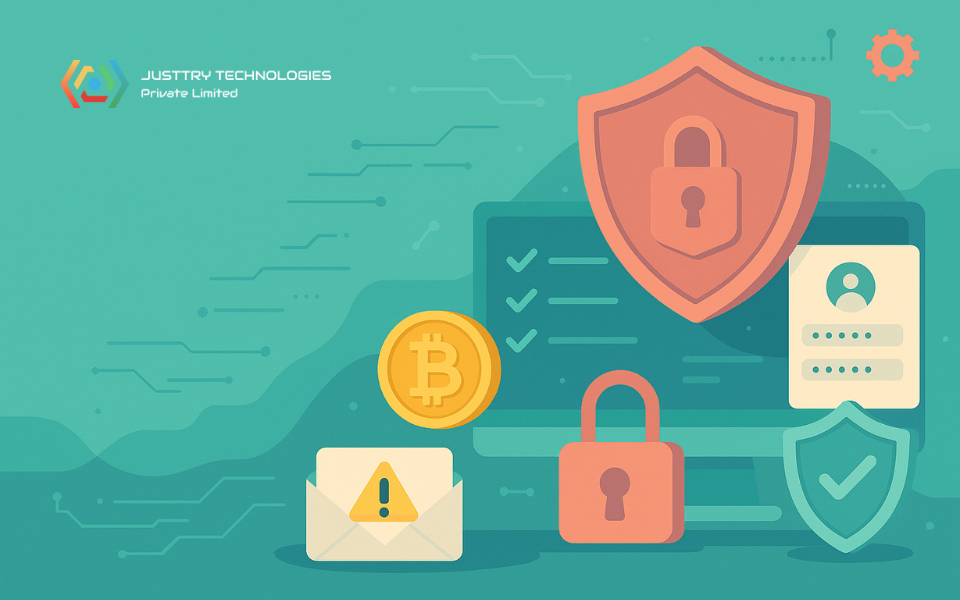
  • Must-Have Security Features for Crypto Exchanges in 2025
    In 2025, security is no longer optional; it’s the foundation of every successful crypto platform. As a cryptocurrency exchange development company, we’ve seen the damage weak security can cause, from data breaches to loss of user trust.
    Here are key features to include:
    Multi-Factor Authentication (MFA)
    Cold wallet integration for offline fund safety
    End-to-end encryption
    DDoS protection
    KYC/AML compliance
    Smart contract audits
    Real-time threat detection
    These aren’t just technical add-ons; they're must-haves to meet growing threats and evolving regulations.
    At Justtry Technologies, we specialize in crypto exchange development services with built-in security, from architecture to 24/7 monitoring. Whether starting fresh or upgrading, we’ll help you launch a platform users can trust.

    Visit : https://justtrytech.com/cryptocurrency-exchange-development-company/
    phone: 9500139200
    Email: sales@justtrytech.com
    Must-Have Security Features for Crypto Exchanges in 2025 In 2025, security is no longer optional; it’s the foundation of every successful crypto platform. As a cryptocurrency exchange development company, we’ve seen the damage weak security can cause, from data breaches to loss of user trust. Here are key features to include: Multi-Factor Authentication (MFA) Cold wallet integration for offline fund safety End-to-end encryption DDoS protection KYC/AML compliance Smart contract audits Real-time threat detection These aren’t just technical add-ons; they're must-haves to meet growing threats and evolving regulations. At Justtry Technologies, we specialize in crypto exchange development services with built-in security, from architecture to 24/7 monitoring. Whether starting fresh or upgrading, we’ll help you launch a platform users can trust. Visit : https://justtrytech.com/cryptocurrency-exchange-development-company/ phone: 9500139200 Email: sales@justtrytech.com
    0 Comments 0 Shares 2K Views 0 Reviews
  • Luxury Villa Rentals Near the Amfar Gala: A Stylish Stay in Cannes

    Cannes, France - The glamour of the French Riviera comes alive over again because the prestigious AMFAR Gala returns to Cannes on May 22, 2025, bringing together celebrities, philanthropists, and worldwide influencers for a night of beauty and impact. As the crimson carpet rolls out, attendees searching for equally delicate hotels, making luxury villa rentals in Cannes the accommodation of choice.
    Visit here https://www.bignewsnetwork.com/news/278223671/luxury-villa-rentals-near-the-amfar-gala-a-stylish-stay-in-cannes
    Luxury Villa Rentals Near the Amfar Gala: A Stylish Stay in Cannes Cannes, France - The glamour of the French Riviera comes alive over again because the prestigious AMFAR Gala returns to Cannes on May 22, 2025, bringing together celebrities, philanthropists, and worldwide influencers for a night of beauty and impact. As the crimson carpet rolls out, attendees searching for equally delicate hotels, making luxury villa rentals in Cannes the accommodation of choice. Visit here https://www.bignewsnetwork.com/news/278223671/luxury-villa-rentals-near-the-amfar-gala-a-stylish-stay-in-cannes
    0 Comments 0 Shares 815 Views 0 Reviews
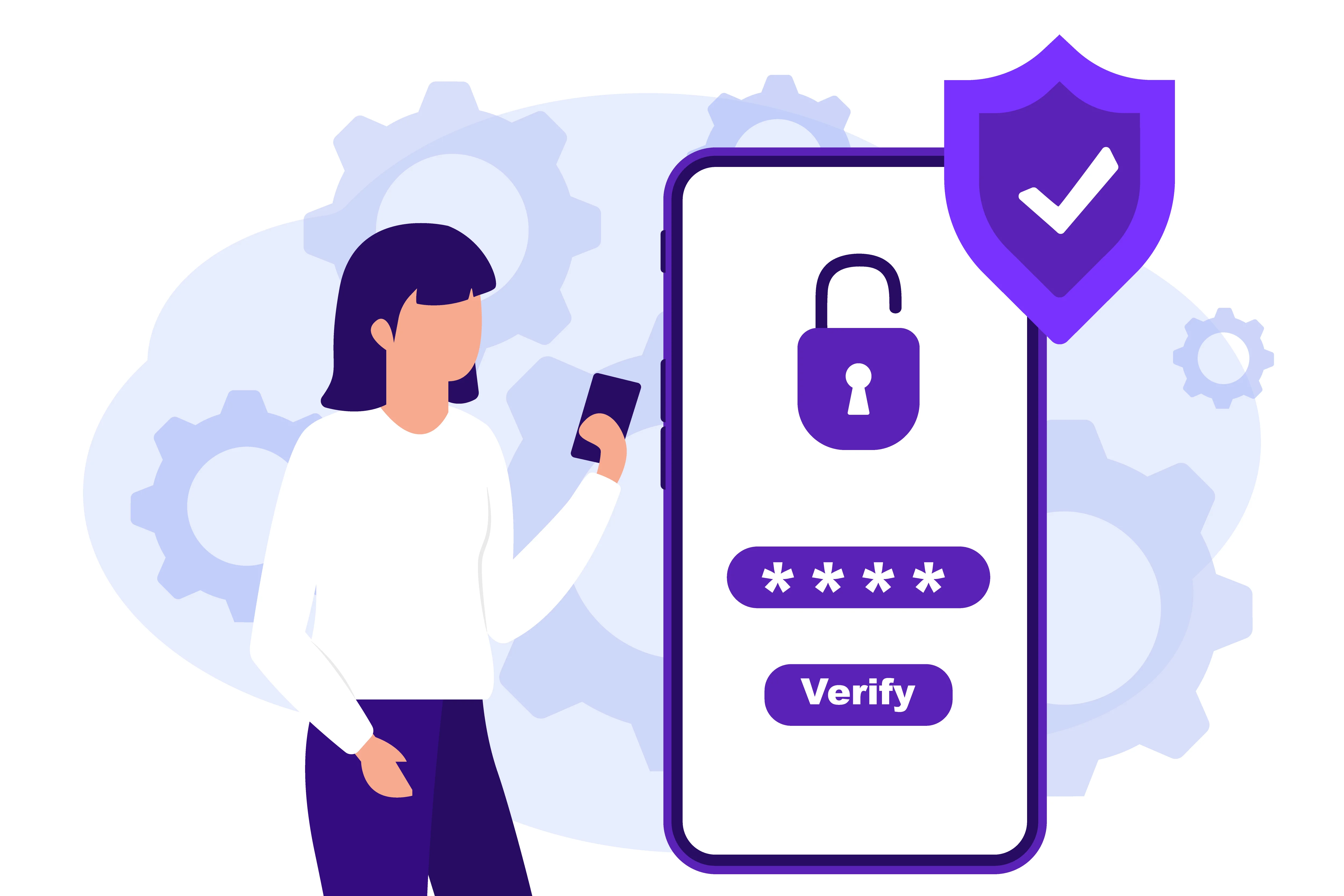
  • How to Authenticate Users Securely in 2025

    Learn how to authenticate users securely in 2025 using advanced authentication methods like biometrics, passkeys, and multi-factor authentication (MFA). This guide covers the latest trends in user verification, helping developers and businesses choose the right techniques to enhance security and user experience. From eliminating passwords to adopting adaptive authentication, stay ahead with best practices that safeguard digital access while keeping usability in focus.

    More Info - https://www.loginradius.com/blog/identity/best-way-to-authenticate-users
    How to Authenticate Users Securely in 2025 Learn how to authenticate users securely in 2025 using advanced authentication methods like biometrics, passkeys, and multi-factor authentication (MFA). This guide covers the latest trends in user verification, helping developers and businesses choose the right techniques to enhance security and user experience. From eliminating passwords to adopting adaptive authentication, stay ahead with best practices that safeguard digital access while keeping usability in focus. More Info - https://www.loginradius.com/blog/identity/best-way-to-authenticate-users
    WWW.LOGINRADIUS.COM
    User Authentication Methods for Secure & Seamless Login
    Explore the top user authentication methods—MFA, passkeys, biometrics—and how to choose the safest login strategy for your organization.
    0 Comments 0 Shares 1K Views 0 Reviews
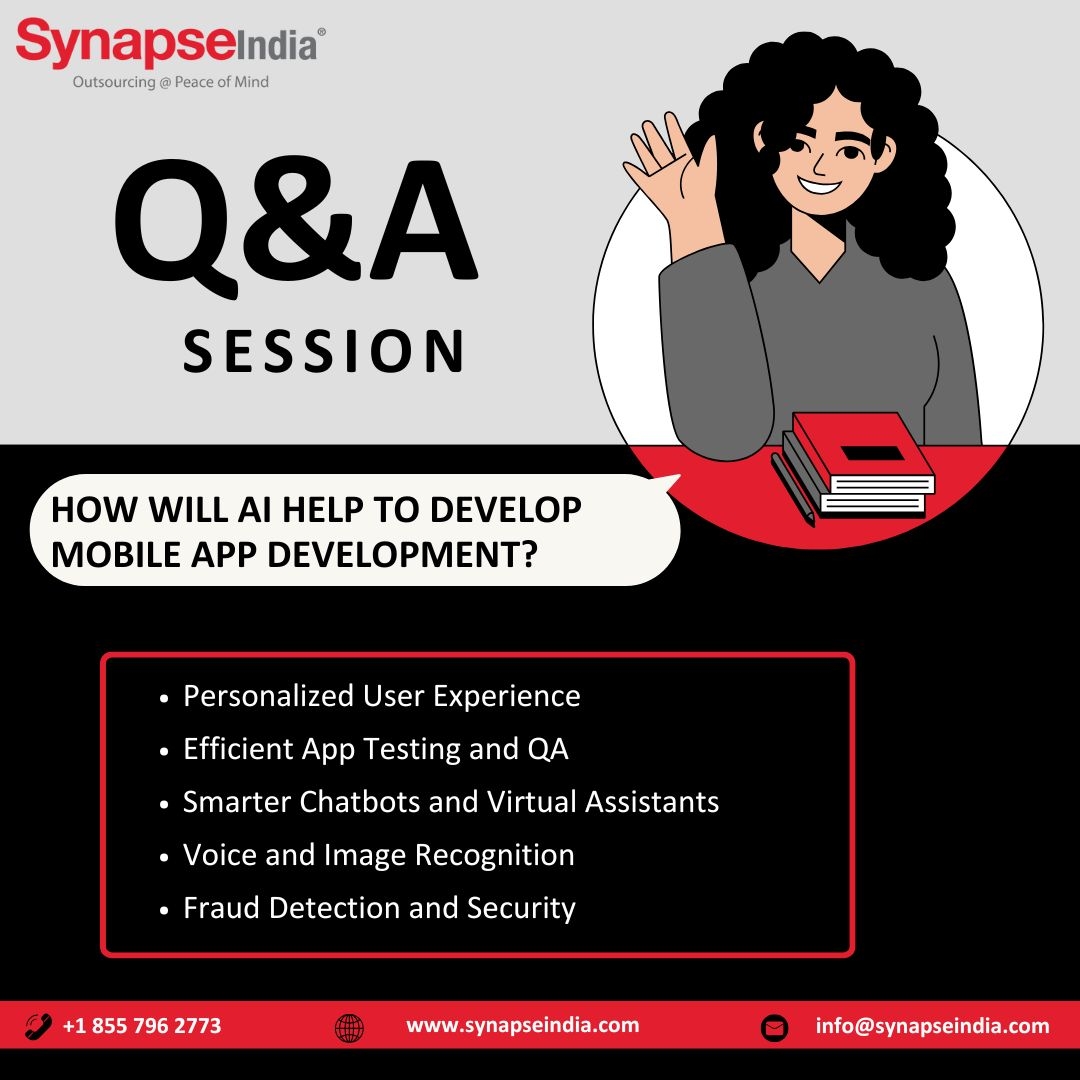
  • AI helps developers create personalized app experiences by analyzing user behavior and offering tailored content, notifications, and features. Chatbots powered by AI handle customer queries 24×7, reducing support costs and improving satisfaction. Predictive analytics tools use historical data to forecast user actions, enabling businesses to take proactive steps to boost engagement. Know more at https://qr.ae/pAMfA6

    #AppDevelopment #AI #MobileApps #SynapseIndia #UIUX
    AI helps developers create personalized app experiences by analyzing user behavior and offering tailored content, notifications, and features. Chatbots powered by AI handle customer queries 24×7, reducing support costs and improving satisfaction. Predictive analytics tools use historical data to forecast user actions, enabling businesses to take proactive steps to boost engagement. Know more at https://qr.ae/pAMfA6 #AppDevelopment #AI #MobileApps #SynapseIndia #UIUX
    0 Comments 0 Shares 2K Views 0 Reviews
Sponsored
Sponsored
google-site-verification: google037b30823fc02426.html